
150 Kwara Youth To Undergo Internship In Fish Farming
No fewer than 150 young people in Kwara State are set to benefit from an internship programme in aquaculture. The training is organized by BawBaw Farms, the largest fish farm in North Central Nigeria, to mark its 10th anniversary. With the unveiling of the internship slots, the firm said it was reaffirming its commitment to […]
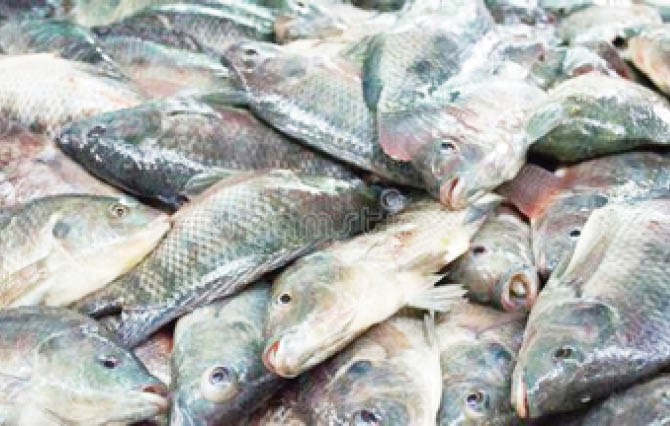
Tilapia fish
No fewer than 150 young people in Kwara State are set to benefit from an internship programme in aquaculture.
The training is organized by BawBaw Farms, the largest fish farm in North Central Nigeria, to mark its 10th anniversary.
With the unveiling of the internship slots, the firm said it was reaffirming its commitment to nurturing a new generation of fish farmers who can drive innovation, sustainability, and prosperity in the agricultural sector.
Announcing the scheme during the event, Managing Director of the farm, Mr. Musbau Alasinrin, said it was designed to equip youths with practical knowledge of modern fish farming, entrepreneurial skills, and the capacity to thrive in agribusiness.
Alasinrin said the initiative underscores the company’s vision of going beyond fish production to creating opportunities that will impact lives and communities.
“Our vision is not just to produce fish, but to produce opportunities.
“This internship programme is our way of giving back to the people of Kwara and ensuring that the next generation is prepared to lead in agribusiness and food sustainability”, he declared.
He explained that the participants would undergo hands-on training in advanced aquaculture techniques, value chain development, and agribusiness management.
The programme, he noted, would help reduce unemployment while promoting self-reliance among the youth.
Since its establishment ten years ago, BawBaw Farms has grown into the region’s leading aquaculture venture, playing a major role in boosting food security, providing jobs, and training local farmers.
Stakeholders at the anniversary celebration described the farm’s growth as a model for agricultural investment in Nigeria, stressing the importance of private sector initiatives in complementing the government’s efforts at tackling food insecurity.