
2019 elections: Trees voting for the axe
Next year government intends to spend N242.45 Billion ($673,35Million) conducting general elections. This is $50 Million higher than in 2015. Out of the massive amount N189 billion is for INEC itself and the rest is to be shared amongst security agencies. All the budgeted costs are “guesstimates” because quite incredulously the nation continues formulating budgets […]
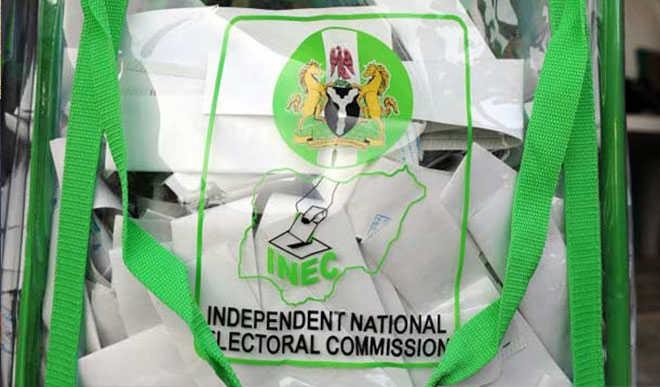
Next year government intends to spend N242.45 Billion ($673,35Million) conducting general elections. This is $50 Million higher than in 2015. Out of the massive amount N189 billion is for INEC itself and the rest is to be shared amongst security agencies. All the budgeted costs are “guesstimates” because quite incredulously the nation continues formulating budgets and estimates in the absence of current census data. The last Census was taken in 2006 over 10 years ago! Given the paucity of funds for human and infrastructural development in the nation, the opportunity costs of government expenditure become all important.
Nigeria’s democracy is too expensive, too inefficient and simply not worth the humongous amounts spent to maintain it. Opportunity cost is a key concept in economics. It’s defined as “the basic relationship between scarcity and choice” and refers to the benefits foregone when money is spent on one alternative rather than another. Although Nigeria enjoys billions of dollars in oil revenues 70% of its citizens live below the international poverty line. This is the opportunity cost of ill-considered spending of our national wealth. Every four years the nation spends scandalous amounts to conduct elections which have not brought about any appreciable increase in the level of human, social or infrastructural development. The Independent National Electoral Commission (INEC) takes years to plan elections and yet they offer nothing near competence; they adjudicate matters in an inconsistent manner; and they continuously demand for more money to combat vote manipulation. Despite the increasing costs Nigerian elections continuously fail the integrity test, and results are routinely overturned by the Courts.
Success eludes the nation because the political space has been highjacked by men of questionable character who run affairs to please themselves. Nigeria was amalgamated by the colonialists for the benefit of those in charge and not for the betterment of its indigenous peoples. Unfortunately, since independence this hasn’t changed. It’s fair to say that Nigeria is an enormous patchwork of peoples, languages and traditions, born out of convenience which has failed to entrench a cost-effective system of governance. The lifestyles of Nigerian political leaders are totally out of proportion to the nation’s economic condition. In the middle of a deepening economic crisis political leaders have not in any way attempted to moderate their excesses.
Back in 1981 then Vice- President Alex Ekweme’s salary paid the minimum wage of 16 people. Vice-President Osibanjo’s salary will pay the minimum wage of over 50 people. While President Shagari’s salary paid the minimum wage of 20 people, President Buhari’s official salary will pay the minimum wage of 60 people. In spite of the well-worn change mantra Legislators are still overpaid, Governors still deduct illegal “security votes”, and white elephant and abandoned projects still abound. The current administration has spent its time fighting corruption in a manner which brings about sensational headlines, but no discernible benefit to the ordinary citizen. The nation desperately requires leadership firmly committed to reducing the cost of governance and fighting poverty in a visible manner. Looking at the election budget it’s fair to ask “is there no better way to spend money rather than to give the police a staggering N300 Million to feed dogs and horses during election?” Is it not fair to ask how many kilometres of roads could be constructed or repaired with N250 Billion? How many schools or hospitals built? How many low-income housing units? How many ambulances for accident and emergencies? How many sports development facilities? These would remain on ground for years to come. INEC must have a rethink over how elections should be run in Nigeria.
As the great Bernard Shaw said “those who cannot change their minds cannot change anything”. It beggars belief that with all the idle printing presses spread throughout the nation, INEC feels it’s best to spend billions to print overseas despite the benefits of the massive injection of cash into the economy local ballot paper printing would yield. The excuse that overseas printing ensures security doesn’t hold water when it is the very same imported ballot papers which are mass thumb-printed, snatched, not counted, or never used in the first place! Nigeria is sinking because the political class consumes far too large a proportion of our income. Worse still hungry and jobless people blindly support them in ignorance of the fact that an overly expensive political process is mainly responsible for their agony and misery. This politics of corruption has led to the corruption of politics as the cost of application forms precludes well-meaning ordinary citizens from contesting elections. Voting for today’s politicians in such an unnecessarily expensive manner is similar to being a tree in a forest which keeps on shrinking while the trees continue to vote for the axe because its handle was made of wood so they thought it must be one of them!