
2026 FIFA World Cup: No Love for Bafana Bafana
The 2026 FIFA World Cup kicked off on June 11 at the iconic Estadio Azteca in Mexico City with a high-octane spectacle marked by a historic, star-studded multinational musical performance. For many Nigerians, it was a proud moment as Shakira and Burna Boy performed the official tournament anthem, Dai Dai, alongside other global stars such […]
The 2026 FIFA World Cup kicked off on June 11 at the iconic Estadio Azteca in Mexico City with a high-octane spectacle marked by a historic, star-studded multinational musical performance. For many Nigerians, it was a proud moment as Shakira and Burna Boy performed the official tournament anthem, Dai Dai, alongside other global stars such as J Balvin and Tyla.
The performances set the tone for what promises to be a thrilling tournament as the world eagerly awaits more spectacles across the three host nations: the United States, Canada, and Mexico.
From June 11 to July 19, football fans around the globe will savour exciting performances from some of the world’s best players, all competing for football’s most prestigious trophy. Upsets are expected to abound because this World Cup, the largest in history, offers 16 additional countries the opportunity to make their mark on the global stage. Without the tournament’s expansion to 48 teams, countries such as Curaçao (population: 156,000) and Cape Verde (population: 525,000) might never have experienced the World Cup.
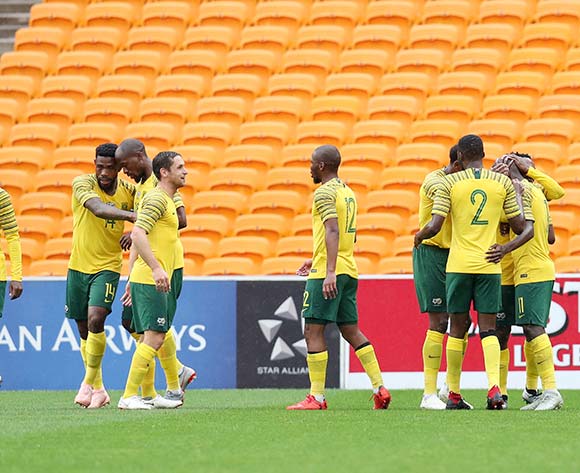
The opening Group A match between one of Africa’s representatives, South Africa, and co-host Mexico produced an intense and physical contest that left many wondering what the rest of the tournament would hold. On the opening day, Group A was thrown wide open as Mexico and South Korea secured narrow victories over South Africa and Czechia, respectively.
However, the focus of this article is the hostility of Nigerian football fans toward Bafana Bafana. Even before kickoff, many Nigerians had openly declared their intention to support South Africa’s opponents throughout the World Cup. On Thursday night, they effectively teamed up with Mexico in hoping for a South African defeat—and that wish came true.
Losing an opening match at a major tournament like the World Cup often carries significant consequences. South Africa now faces enormous pressure and may need a victory in its next match to keep its hopes of progression alive.
Unless you are completely disconnected from current events, you probably do not need to ask why many Nigerian fans are vehemently opposed to South Africa’s success at the 2026 World Cup. While there has always been a football rivalry between the two nations, recent diplomatic tensions have intensified the hostility.
The friction between the two African giants has become so severe that it may take considerable effort to restore goodwill among Nigerian fans toward Bafana Bafana, even beyond this tournament.
For those still wondering why many Nigerians are rooting against South Africa, several factors help explain the sentiment. The primary reason is the fallout from recurring xenophobic attacks in South Africa, which have led to the repatriation of many Nigerians from the country.
As the World Cup got underway, reports of anti-immigrant protests and vigilantism targeting foreign nationals, particularly Nigerians, continued to fuel anger and resentment among many back home.
The violence against Nigerians in South Africa did not begin recently. It has become a recurring issue, and many Nigerians believe the response from South African authorities has been inadequate. As a result, any sense of pan-African solidarity has been severely weakened, leaving many fans venting their frustration by supporting South Africa’s opponents at the World Cup.
Beyond political tensions, South Africa is also remembered as the team that denied Nigeria a place at the 2026 World Cup. During the qualification campaign, both nations were drawn together in Group C. While Nigeria struggled under three different coaches, South Africa’s crucial 1–1 draw in Bloemfontein helped secure the group’s sole automatic qualification ticket, leaving the Super Eagles out of the World Cup for the second consecutive time.
Although Nigeria was largely responsible for its own failure to qualify, many supporters have transferred their frustration to South Africa, believing Bafana Bafana played a decisive role in denying them the chance to participate on football’s biggest stage.
There is understandable disappointment that Nigeria—a nation blessed with globally recognised stars such as Victor Osimhen and Ademola Lookman—is watching the tournament from the sidelines while South Africa represents the continent.
There is also the ongoing “Amapiano versus Afrobeats” cultural rivalry. Beyond politics and football, a fierce online debate continues over music supremacy. Some South Africans argue that Nigerian artists have commercialised and dominated Amapiano—a genre widely believed to have originated in South African townships—while Nigerians reject such accusations. The result has been a never-ending cycle of digital sparring between citizens of both countries.
These factors, among others, explain why many Nigerian fans are actively rooting against South Africa at the ongoing World Cup. Many remain upset that, while they are still recovering from Nigeria’s failure to qualify, reports of attacks against Nigerians in South Africa continue to emerge.
Consequently, when Bafana Bafana conceded two goals and received two red cards in their opening defeat to Mexico, many Nigerian football fans celebrated the result. There is clearly no love lost between the supporters of both countries. In fact, many Nigerians are hoping for further setbacks for South Africa in its remaining group matches.
One Nigerian sports journalist even described June 24—the date of South Africa’s final group-stage match against South Korea—as “South Africa’s 2026 World Cup expiry date.”
I have no problem with fans exercising their right to support whichever team they choose at the World Cup. Personally, my full support goes to Senegal’s Teranga Lions. However, I remain concerned about the welfare of Nigerians still residing in South Africa.
Even before the current tensions, incidents of violence and hostility toward Nigerians had already created an atmosphere of fear. My concern is that heightened emotions surrounding football and online exchanges could further inflame an already difficult situation.
For the sake of Nigerians still living in South Africa, I appeal to fans to be mindful of how they express their opposition to Bafana Bafana. While they have every right to support any team they choose, they should also remember that not everyone may interpret their actions as harmless football banter.
After all, as the local saying goes, “na small thing dey vex some people.”