
2027: INEC seeks to strip president of power to appoint electoral commissioners
Ahead of the 2027 general elections, the Independent National Electoral Commission (INEC) has proposed sweeping reforms, including removing the President’s power to appoint Resident Electoral Commissioners (RECs). Prof. Mohammad Kuna, the Special Adviser to the INEC Chairman, Prof. Mahmood Yakubu, revealed the proposals during a retreat with the Joint National Assembly Committee on Electoral Matters […]
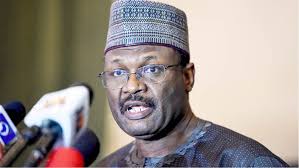
Prof. Mahmood Yakubu, Chairman, Independent National Electoral Commission (INEC)
Ahead of the 2027 general elections, the Independent National Electoral Commission (INEC) has proposed sweeping reforms, including removing the President’s power to appoint Resident Electoral Commissioners (RECs).
Prof. Mohammad Kuna, the Special Adviser to the INEC Chairman, Prof. Mahmood Yakubu, revealed the proposals during a retreat with the Joint National Assembly Committee on Electoral Matters in Lagos.
The commission is seeking amendments to Section 14(3), Paragraph F of the Third Schedule of the 1999 Constitution and Section 6(3) of the Electoral Act 2022. These would transfer the power to appoint and discipline state electoral heads—renamed State Directors of Elections (SDEs)—from the President to INEC.
Kuna said the move aims to promote transparency, accountability and efficiency in election management.
Currently, RECs are presidential appointees, serving five-year terms renewable once, and are only removable by a two-thirds Senate majority. INEC’s proposal also seeks to empower the commission to discipline errant officials, citing the controversial actions of the former Adamawa REC in the 2023 governorship poll.
INEC is also advocating for electronically downloadable voter cards to replace permanent voter cards (PVCs), and for constitutional amendments to allow diaspora, early, special, and inmate voting.
Additionally, the commission is calling for the creation of an Electoral Offences Commission and a Political Party Regulatory Agency, as well as constitutional provisions to guarantee special seats for women and persons with disabilities (PwDs).