
5.8% women in N/Assembly unacceptable — Female lawmakers
Nigerian female legislators, under the aegis of Women in Parliament (WIP) Committee of the National Assembly, have decried what they call the “continued decline” in female representation in elective and appointive positions, noting that the number significantly dropped after the 2019 general elections. The women in parliament want political parties to adopt a quota system […]
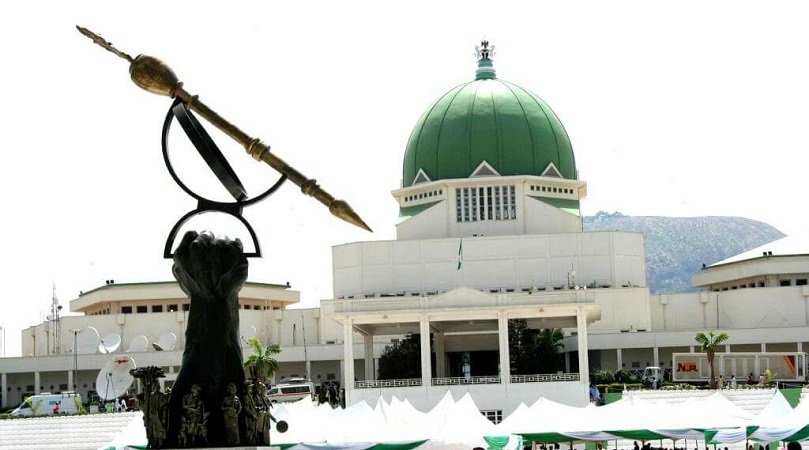
Nigeria’s National Assembly.
Nigerian female legislators, under the aegis of Women in Parliament (WIP) Committee of the National Assembly, have decried what they call the “continued decline” in female representation in elective and appointive positions, noting that the number significantly dropped after the 2019 general elections.
The women in parliament want political parties to adopt a quota system in their constitutions and manifestos with women and men alternating on a ratio of 50:50 on their candidates’ lists.
They spoke at the end of the retreat of WIP held in Lagos in collaboration with Yiaga Africa.
The Chairman, House Committee on Women in Parliament, Taiwo Oluga, who read the communiqué, expressed concern over rising insecurity, saying, “women and children are the greatest victims of the nefarious activities of insurgents, terrorists, kidnappers, armed robbers, etc.”
Daily Trust reports that the retreat was in commemoration of the International Women’s Day (IWD) held globally on March 8.
Oluga said out of 469 members of the National Assembly, only 21 are women, representing 5.8% women representation in the National Assembly and 4.43% women out of 991 state legislators in the state houses of assembly.
“This act of political exclusion is no longer acceptable. The Nigerian female legislators, therefore, call on their colleagues in the National Assembly and state houses of assembly to, in the spirit of this year’s #EachforEqual campaign, take intentional steps in the ongoing constitution review and electoral reform process to promote women inclusion in governance and politics through gender-specific provisions,” said the lawmaker.
They were also concerned about the lack of internal democracy and political will among political parties to ensure women’s political inclusion and representation.
They however commended the leadership of the Senate for the deliberate inclusion of all-female senators in the Constitution Review Committee and demanded that the leadership of the House of Representatives followed suit.