
5 reasons for shortness of breath when lying down
Shortness of breath, or breathlessness, describes difficulty or discomfort when breathing. A person may feel tightness in the chest or feel as though they cannot get enough air. The medical term for shortness of breath is dyspnea. Potential causes include congestive heart failure, obesity, and respiratory issues. Sometimes, people find it hard to breathe when […]
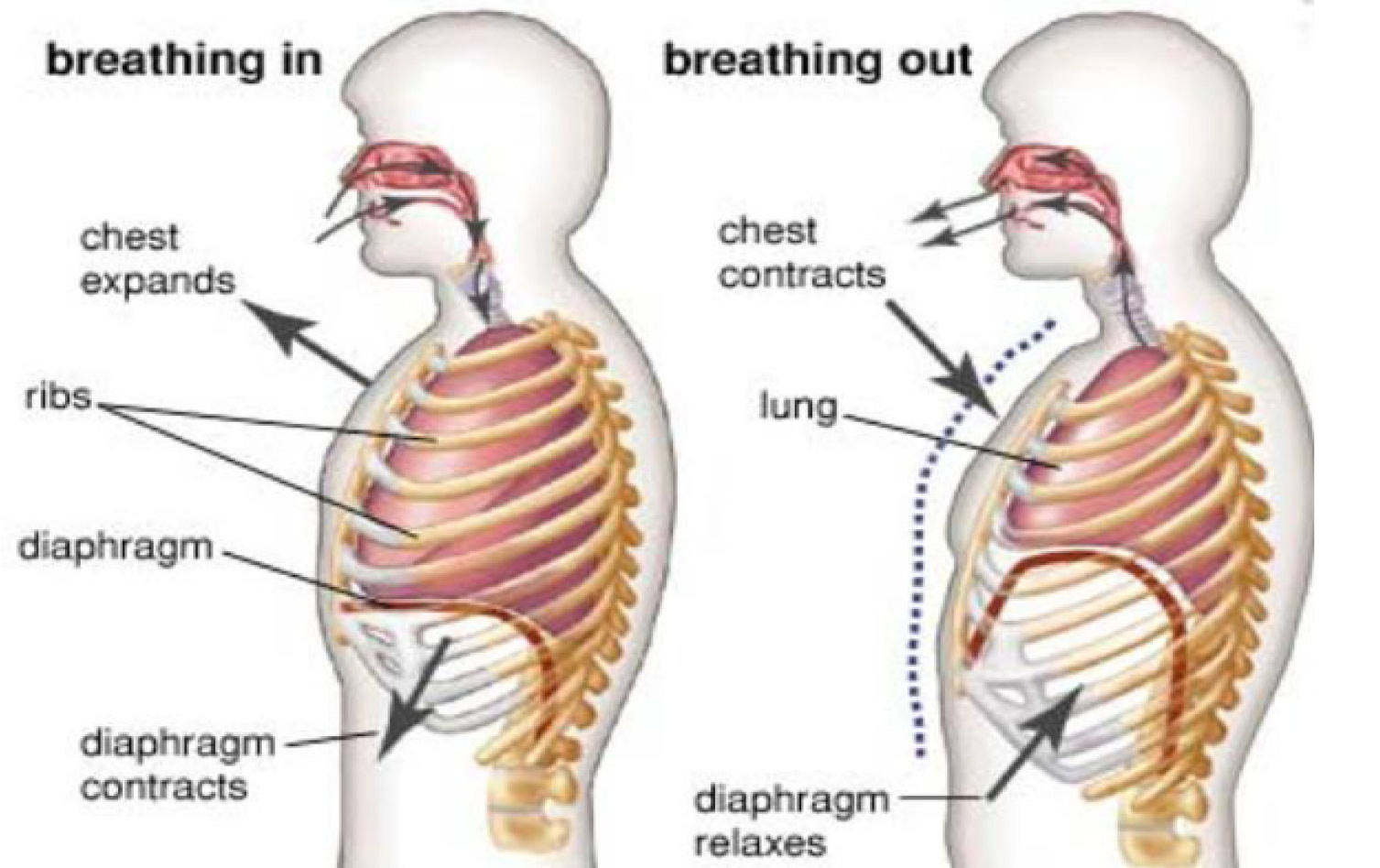
Shortness of breath, or breathlessness, describes difficulty or discomfort when breathing. A person may feel tightness in the chest or feel as though they cannot get enough air.
The medical term for shortness of breath is dyspnea. Potential causes include congestive heart failure, obesity, and respiratory issues.
Sometimes, people find it hard to breathe when they are lying down flat. The medical term for this is orthopnea. People who experience this will often need to prop themselves up on pillows so that they can sleep.
Heart failure
In heart failure, the heart can no longer pump blood to the rest of the body as well as it should. Or, it has trouble relaxing after squeezing. So, the pressures in the heart increase, which can cause the fluid to back up into the lungs, abdomen, or legs.
Heart failure can result in fatigue, shortness of breath, leg swelling, and, in some cases, coughing. Everyday activities such as walking and climbing stairs can become more difficult.
Emphysema
Emphysema is a type of lung condition comprising chronic obstructive pulmonary disease (COPD).
This condition damages the air sacs in the lungs and makes the breathing tubes narrower, making it more difficult to breathe.
Smoking causes most cases of emphysema. Passive smoking and poor air quality can also play a role.
People with this condition will usually find it difficult to breathe when carrying out physical activities. In advanced emphysema, people may also experience shortness of breath when sitting or lying down.
Obesity
People who carry excess weight or have obesity may have difficulty breathing when lying down due to the compressive effects of the weight on their abdomen. Called “pannus,” this phenomenon prevents the lungs from inflating fully.
Obstructive sleep apnea (OSA).
OSA is a sleep disorder that can cause breathing difficulties while sleeping.
A common sign of OSA is snoring that is interspersed with gasping and choking sounds. People with OSA may also pause their breathing.
Other symptoms of OSA may include nocturia (or getting up to urinate during the night), depression, irritability, nocturnal palpitations, and sexual dysfunction.
Anxiety or panic disorder
Panic attacks and anxiety attacks can come on at any time and be very frightening. Although these episodes do not fit within the typical orthopnea bracket, they can cause shortness of breath when lying down.
People tend to describe these attacks as the abrupt onset of intense fear or discomfort that reaches a peak within minutes.
Orthopnea is the medical term for shortness of breath when lying down. People who experience this condition often have to sleep with their heads propped up on pillows.
Anyone who finds it difficult to breathe because they have obesity may find that the problem eases when they lose weight.
Unexplained shortness of breath or breathing difficulties that are accompanied by chest pain or pressure, fainting, or nausea could be a sign of a more serious medical condition.
Anyone who experiences this should speak to a doctor.
Courtesy: WebMD