
Ajaokuta Steel plant: Could technology switch be the answer?
When Nigeria established the Ajaokuta Steel Company Limited in 1979, it envisioned an industrial revolution. Designed to produce 1.3 million tonnes of steel annually, this monumental project promised to power our industries, create thousands of jobs, and reduce our dependence on imports. Forty-five years later, after investing over $8 billion, Ajaokuta stands as Nigeria’s most […]
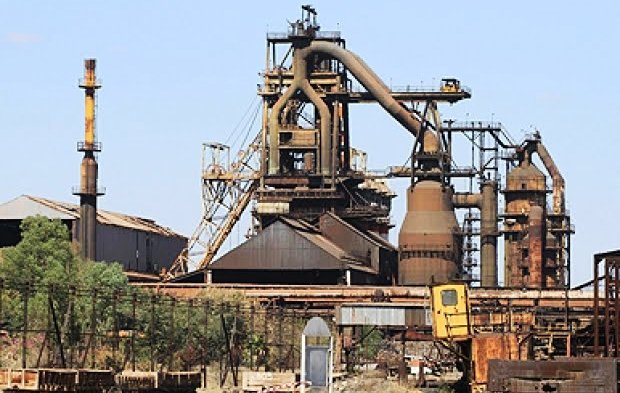
ajaokuta steel plant
When Nigeria established the Ajaokuta Steel Company Limited in 1979, it envisioned an industrial revolution. Designed to produce 1.3 million tonnes of steel annually, this monumental project promised to power our industries, create thousands of jobs, and reduce our dependence on imports. Forty-five years later, after investing over $8 billion, Ajaokuta stands as Nigeria’s most expensive white elephant – a rusting monument to broken promises and wasted potential.
The plant’s paralysis stems from three critical failures. First, our ports cannot support its raw material needs – namely, coking coal and high grade iron ore, which are all imported. The Warri Port, meant to receive massive shipments of coking coal and high-grade iron ore, remains too shallow to date for large vessels. This will necessitate the use of smaller ships, with a resultant cost increase of 40-60 per cent. Second, our rail system, intended to transport these materials, was never completed and is now almost dilapidated, making trucking the only option at prohibitive costs. Third, our Itakpe iron ore requires expensive beneficiation with imported high grade ore for processing before use, to make it viable.
These aren’t mere operational challenges – they’re fundamental design flaws worsened by daunting logistical challenges. The Soviet-era technology chosen in the 1970s requires inputs Nigeria cannot reliably provide, especially the logistic management capacity that is required to keep a plant such as Ajaokuta running without break for a minimum of 25 to 50 years. Yet every “revival plan” since has tried to force-fit this square peg into a round hole, wasting billions in the process. The recent $2 billion rehabilitation announcement continues this pattern, ignoring the plant’s structural incompatibility with our infrastructure, logistic capacity and resources.
There is another way. Modern steel technologies could allow Ajaokuta to use Nigeria’s abundant lignite coal (found in Okaba, Enugu and elsewhere) instead of imported coking coal. These blast furnaces operate efficiently at lower temperatures and can utilise our lower-grade iron ore with minimal processing. China and India have successfully adopted such technologies to overcome similar resource constraints.
The benefits would be transformative. By using domestic lignite instead of imported coal, we could save over $400 million annually in foreign exchange. Our 300 million tonnes of lignite reserves would gain economic value. The reduced logistics burden would make the Warri Port upgrades less urgent. Most importantly, Nigeria will finally have a steel plant designed for Nigeria’s actual conditions rather than Soviet-era fantasies.
The challenges of retrofitting are real but manageable. The capital costs, while significant, are within the margins of the current budget to rehabilitate the plant (which otherwise will be another waste of resources). This investment would be offset by long-term savings. Worker retraining programmes could be implemented during the transition. Energy efficiency concerns can be addressed through modern furnace designs. While rail improvements would still be needed, they would no longer be existential requirements.
Our leaders face a stark choice: continue pouring money into reviving obsolete technology, or boldly reengineer Ajaokuta for the 21st century. The former path guarantees more waste and failure. The latter offers a chance to finally realise our steel ambitions.
Ajaokuta’s revival isn’t just about steel – it’s about proving Nigeria can think strategically about industrialisation. As the global steel industry evolves with greener technologies, we must decide: will we keep chasing the past, or build a future that actually works for Nigeria?
The answer will determine whether Ajaokuta remains our greatest industrial failure or becomes our most remarkable turnaround story.
Baba Isimi FNIA is a public affairs analyst