
Akande to Gumi: Stop insulting Nigerians, no negotiations with murderers
Former presidential aide, Laolu Akande, has strongly criticised Islamic cleric, Ahmad Gumi, over his renewed calls for negotiations and amnesty for terrorists and bandits operating across Nigeria, describing such proposals as dangerous and deeply troubling amid worsening insecurity across the country. Speaking during the “My Take” segment of the Channels Television programme Inside Sources with […]
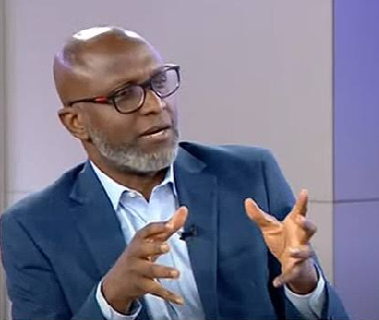
Former presidential aide, Laolu Akande, has strongly criticised Islamic cleric, Ahmad Gumi, over his renewed calls for negotiations and amnesty for terrorists and bandits operating across Nigeria, describing such proposals as dangerous and deeply troubling amid worsening insecurity across the country.
Speaking during the “My Take” segment of the Channels Television programme Inside Sources with Laolu Akande on Friday, Akande accused Gumi of persistently advancing ideas that undermine national security and trivialise the pain of victims of terrorism and banditry.
According to Akande, insecurity has become a national trauma that continues to devastate communities, while voices advocating dialogue with violent criminal groups are further complicating the crisis.
“Insecurity is an ongoing injury in Nigeria and one man is unrelentingly adding insults to it. His name is Sheik Ahmad Gumi. And, he is talking again with his infested idea of negotiating with and rehabilitating gruesome murderers,” Akande said.
“Before now, Gumi was denied access to Saudi Arabia but the man is talking nonsense whenever he pleases here at home.”
Akande’s comments followed Gumi’s latest public defence against allegations that he is sympathetic to bandits and terrorist groups, alongside renewed advocacy for negotiations and rehabilitation programmes for armed groups operating in parts of northern Nigeria.
The former presidential spokesman argued that such propositions are not only insensitive to victims but also risk emboldening criminal networks responsible for mass killings, kidnappings, and attacks on rural communities.
“Gumi is denying allegations that he is sympathetic to bandits and terrorist groups. Secondly, he has renewed his call for negotiations and amnesty for terrorist groups,” Akande stated.
He referenced growing international concern over the deteriorating security environment in Nigeria, including reports linking armed groups to widespread violence across several regions.
Akande warned that the scale of the crisis demonstrates that Nigeria is confronting more than isolated criminality, stressing that the country is facing an entrenched and coordinated security emergency capable of destabilising communities and weakening public confidence in the state.
“We are dealing with a deeply insidious and dangerous security crisis. School children are being kidnapped. Villagers are being invaded. Families are being wiped out. People are being abducted on highways. And there is a palpable fear around the whole place,” he lamented.
The veteran journalist and political commentator questioned the moral and strategic logic behind repeated attempts to negotiate with violent groups accused of atrocities against civilians.
“And now, Sheikh Gumi is talking about negotiating with folks?” Akande queried.
He further argued that repeated negotiations and amnesty discussions create the impression that the Nigerian state lacks the resolve to decisively confront terrorism and banditry.
“And this is exactly why the idea of repeatedly negotiating with bandits has become such an uncomfortable, unnervy, and capable of a rapid undoing of our decent community and orderly society,” he said.
Akande maintained that criminal groups that target innocent civilians, abduct school children, and massacre villagers should not be rewarded with rehabilitation offers or political recognition.
“Because, how do you continue trying to understand people who kidnap children, slaughter innocent citizens like animals and post these online without any remorse?” he asked.
His remarks come amid renewed national debate over the effectiveness of military operations, amnesty programmes, and dialogue initiatives aimed at ending terrorism and banditry in parts of Nigeria.
While some stakeholders have argued that negotiations could help reduce violence, critics insist that previous amnesty efforts have yielded limited results and, in some cases, encouraged further criminality.
Nigeria has continued to grapple with multiple security threats, including insurgency in the North-East, banditry in the North-West, farmer-herder conflicts in the Middle Belt, and rising cases of kidnapping for ransom across several states.
Akande’s intervention is expected to further intensify public debate over how the government should respond to terrorism, armed militancy, and organised criminal violence, particularly at a time when many Nigerians are demanding stronger and more decisive action from security agencies.