
Akeredolu’s Indian hemp idea
Ondo State Governor Rotimi Akeredolu’s call last week urging the federal government to encourage the cultivation of Cannabis sativa, also known as Indian hemp, sent shock waves across the country, with not a few condemning the suggestion. In a tweet, Akeredolu described Ondo State as a hotbed of Indian hemp cultivation in Nigeria and urged […]
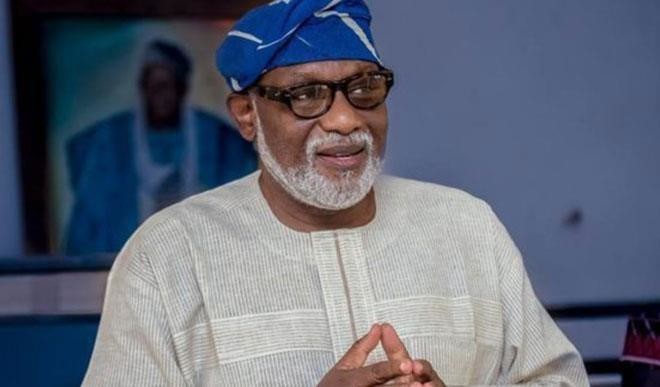
Ondo State Governor Rotimi Akeredolu’s call last week urging the federal government to encourage the cultivation of Cannabis sativa, also known as Indian hemp, sent shock waves across the country, with not a few condemning the suggestion. In a tweet, Akeredolu described Ondo State as a hotbed of Indian hemp cultivation in Nigeria and urged the federal government to support the growing of medicinal cannabis in large quantities in the state. Akeredolu said Indian hemp cultivation is capable of creating thousands of jobs for youths and boosting the economy of the state and the country. He said it is an area that should be explored in view of the Buhari regime’s economic diversification efforts.
The Ondo governor recently visited Thailand together with the Chairman of National Drug Law Enforcement Agency [NDLEA] Col. Muhammad Mustapha for a programme tagged “Medicinal Cannabis Extract Development.” He said this country might be short-changed to the tune of $145bn by 2025 if it does not tap into the legal marijuana market. Their visit to Thailand, he said, was to assess the materials and best practices of medicinal cannabis planting and growing with the possibility of replicating them in Nigeria.
Akeredolu tweeted, “Our focus now is Medical Marijuana cultivation in controlled plantations under the full supervision of NDLEA. I strongly implore the FG to take this seriously as it is a thriving industry that will create 1000’s of jobs for our youth & spur economic diversification. We all know that Ondo State is the hotbed of cannabis cultivation in Nigeria. We know how to grow it and it thrives well in the Sunshine State.”
When the tweet went viral last week, many Nigerians doubted its authenticity as they could not believe that Akeredolu, a renowned lawyer and Senior Advocate of Nigeria [SAN], could make such a call. When it was confirmed that the tweet indeed originated from him, it was followed by outright condemnation. Among the critics was Senator Shehu Sani who advised the governor to do away with the endeavour.
The outrage that Akeredolu’s suggestion caused is not at all surprising. For many years Indian hemp cultivation and smoking have been illegal in Nigeria, with the NDLEA working hard to check both. All these in a bid to avoid addiction to it, especially by young Nigerians. The country is currently recording an upsurge in substance abuse, of which Indian hemp is one of the biggest culprits. Hard drugs and hemp are destroying lives of youths all over the country. The issue has continued to dominate discussion with stakeholders seeking ways to curb the menace. So, this may not be a good time to call for the legalisation of Indian hemp.
The governor did say that it will be for medicinal purpose and that it will be done in a controlled environment. It is also true that some countries have legalised Indian hemp but Nigeria is not quite ready for such. Knowing the way our system works, there is no assurance that the produce will strictly head for the foreign medicinal market. We should be careful so that we do not create a monster in a bid to boost the economy. Akeredolu said $145 billion could be derived from the drug by 2025; tempting as that sounds, it is not worth the lives of our youths and we might end up spending more than that on rehabilitation.
This is not to say the entire proposal should be thrown away. The federal government should keep it in view for future consideration when all necessary parameters to ensure adequate checks have been put in place. Before then, we urge Governor Akeredolu to further look inwards and explore other products which are legal and less contentious and can equally boost the economy of the state. Ondo used to be known for cocoa, palm produce and timber. If they are properly harnessed, they could be huge sources of revenue for the state.