
AKTH conducts free open-heart surgeries in Kano
The Aminu Kano Teaching Hospital (AKTH) has successfully conducted free open-heart surgeries for patients in Kano. This was done with support from the King Salman Humanitarian Aid and Relief Centre and the Al-Balsam Association, Saudi Arabia. The head of the Cardiothoracic Surgery Unit at AKTH and team lead for the local medical team, Dr Jamil […]
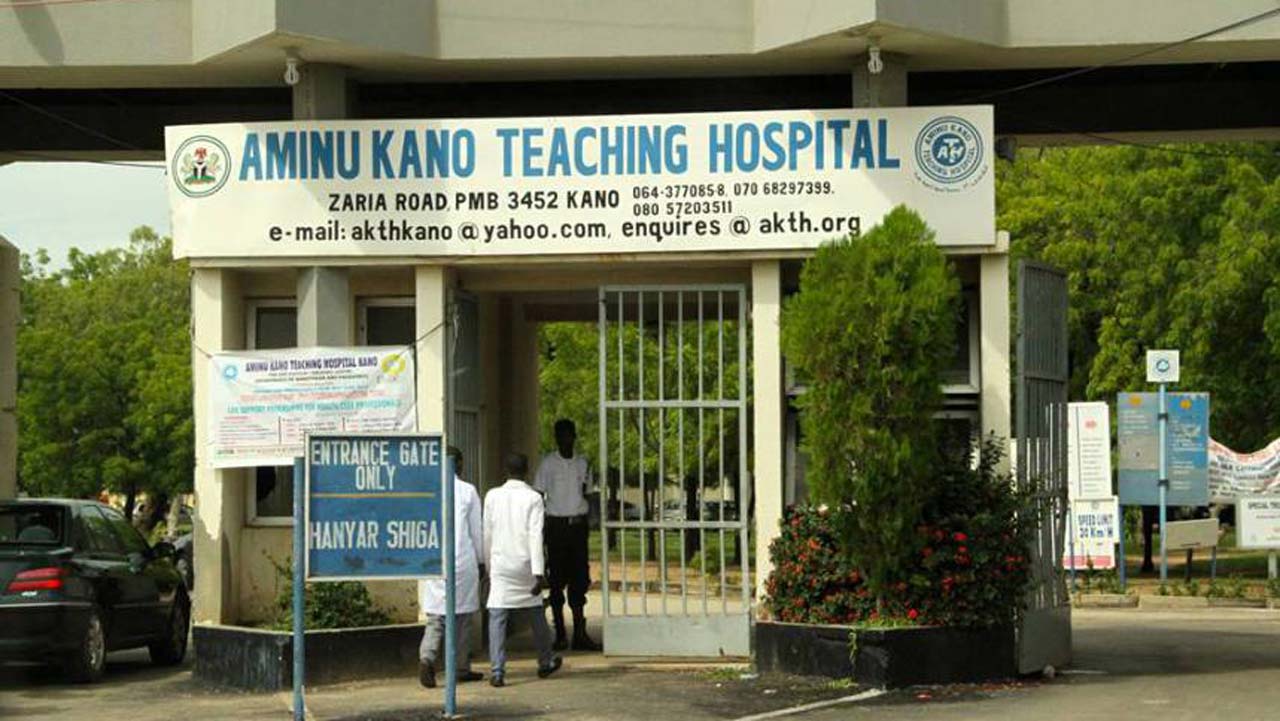
Aminu Kano Teaching Hospital (AKTH)
The Aminu Kano Teaching Hospital (AKTH) has successfully conducted free open-heart surgeries for patients in Kano.
This was done with support from the King Salman Humanitarian Aid and Relief Centre and the Al-Balsam Association, Saudi Arabia.
The head of the Cardiothoracic Surgery Unit at AKTH and team lead for the local medical team, Dr Jamil Ismail Ahmad, commended the initiative, saying it had brought relief to many patients who could not afford treatment abroad.
“Normally, open-heart surgery costs between eight and ten million naira in Nigeria. But here, patients are getting it almost free of charge.
- Katsina stakeholders seek new strategy to combat banditry
- Traders seek compensation over demolition at Alaba Rago Market
“Outside the country, it would cost between 25 and 30 million naira, including logistics. This partnership is therefore very important.”
Dr. Ahmad explained that patients with heart diseases who require surgery but have no high-risk complications are usually considered.
On patient survival rates, Dr. Ahmad revealed that outcomes have been encouraging.
“In previous missions with the same team, survival rates were between 80 and 90 per cent. We are confident this round will also record similar success, with many patients able to live for years without recurrence of the disease,” he added.
Dr. Ahmad also called on the government, philanthropists, and the private sector to support such initiatives.
“The government should not only invest in infrastructure and equipment but also in training critical human resources. Philanthropists can also sponsor training and support local programs, while private sector collaboration will ease the burden on government,” he said.
The team leader of the King Salman Humanitarian Aid and Relief Centre, Dr. Abdullah, highlighted the challenges of delivering such care in underserved regions like Nigeria, Sudan and Yemen.
“Patients often present themselves late because they were neglected for years. Some should have undergone surgery 10 or 20 years ago before developing complications that now make operations riskier.
“The best approach is continuous local services and proper screening. This saves lives and is more cost-effective than patients spending millions abroad in Europe, India or North Africa,” he said.
Dr. Abdullah disclosed that so far, five patients had undergone surgery in Kano, with plans for three more cases later in the day and another three the following day.