
All’s well that ends well
All Nigerians, our neighbours, our brothers and sisters across Africa and indeed the international community heaved a sigh of relief that our presidential and National Assembly elections which took place on Saturday last week passed off largely peacefully. Some lives were reportedly lost in Rivers State when soldiers shot alleged ballot box snatchers and in […]
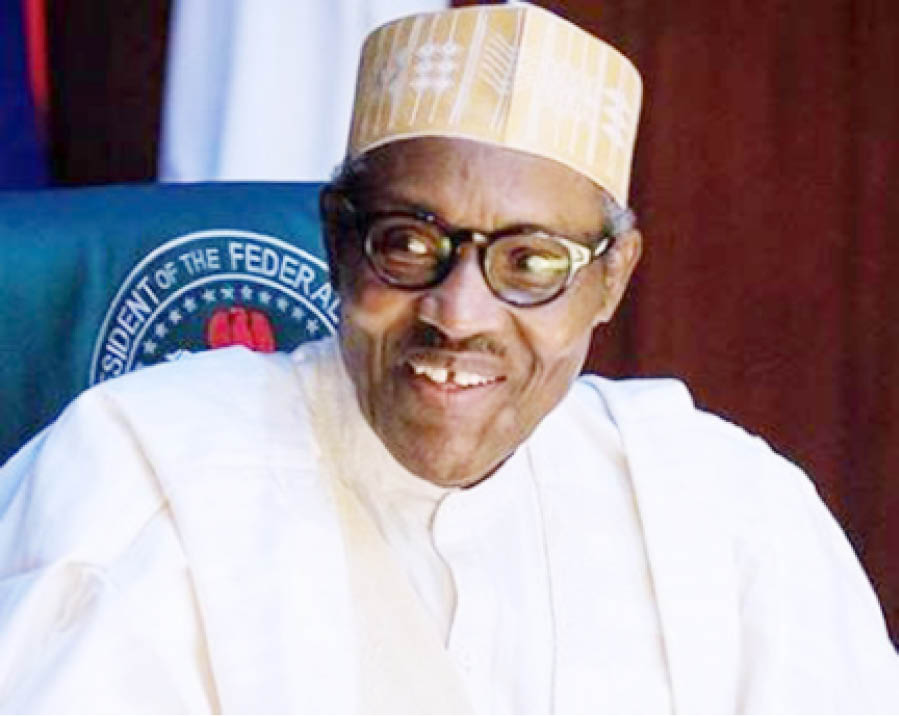
President Muhammadu Buhari
All Nigerians, our neighbours, our brothers and sisters across Africa and indeed the international community heaved a sigh of relief that our presidential and National Assembly elections which took place on Saturday last week passed off largely peacefully. Some lives were reportedly lost in Rivers State when soldiers shot alleged ballot box snatchers and in a few other places as well. Otherwise, this election was one of the most peaceful we have had in this country. Preliminary reports of local as well as regional and international election observers also scored the election high and said the result substantially reflected the will of voters.
A cloud was initially cast over the election when the Independent National Electoral Commission [INEC] postponed it at the last minute on Saturday, February 16. It then took place last Saturday, February 23. The logistical problems that necessitated the postponement were largely overcome last week. In most areas, election materials arrived on time, officials generally conducted themselves well and the card reader machine functioned well, in most places. Inevitably however, there were hitches in some places, not the least because desperate politicians unleashed thugs at election centres.
Other complaints we heard from the elections, especially from opposition parties and their candidates, were a few cases in which security officials were said to have overzealously dealt with them. Such allegations should be thoroughly investigated and any security officials found to have played a partisan role in the election should be thoroughly dealt with in order to deter others from doing so in subsequent elections. Reports of election officials absconding with materials or of returning officers being forcefully made to make some returns should also be thoroughly investigated and the culprits should be severely punished.
President Muhammadu Buhari of the ruling All Progressives Party [APC] was declared winner of the presidential election. He won the highest number of votes cast, 15.2million, and also secured a quarter of the votes cast in most states and FCT. The runner up was PDP candidate Atiku Abubakar who got 11.3million votes and one quarter of the votes in most of the states and FCT. Both figures were a slight drop from what the respective party candidates scored in the 2015 election, even though the number of registered voters increased from 69 million to 84 million. Buhari won outright in 19 states, including the biggest ones such as Kano, Lagos, Katsina, Borno and Kaduna while Atiku won in FCT and 17 states including Rivers, Delta, Anambra, Plateau and Adamawa.
We congratulate President Muhammadu Buhari on securing this victory. He is the second president since 1999 who will serve a second and final term in office. This is a rare opportunity indeed, and it is a mark of the confidence that a majority of Nigerians have in him and in the policies and programs he pursued during his first term in office.
Like most Nigerians, we wished that the 2019 presidential election had ended with a phone call of the kind made by President Goodluck Jonathan to Muhammadu Buhari in 2015. Atiku Abubakar and PDP have however signaled that they reject the results as announced due to alleged irregularities. They specifically complain about the large number of votes they said were cancelled in the South Eastern and South Southern states, which are their strongholds. They also pledge to take their case to the election tribunal.
Going to the election tribunal is the responsible thing to do when a candidate has a grievance with any aspect of the election’s conduct or declared results. It is fully legal and is part of the election process. We should therefore not see Atiku and PDP’s stance as unpatriotic or immoral because it is neither. What is illegal, immoral and detestable is to resort to violence in protesting election results and snuff out innocent lives. No election has ever been reversed because of violence; only the courts can reverse a result once it is declared by the returning officer.
We also wish to counsel our countrymen and women to improve on their method of celebration. Blocking roads, smashing vehicle windscreens and taunting opponents, not to mention unleashing violence on opposition areas as reportedly happened in some places, are not the way to celebrate an election result. Finally, we still have a very important election ahead of us, that of governorships and state assemblies which is holding on Saturday, March 9. Passions are likely to be high in that election too because local issues and candidates are involved and the struggle for supremacy between local forces could be fierce. Our plea to INEC, security agencies, candidates and their parties is that it should be at least as good and as violence-free as last Saturday’s election.