
Amidst protest, NAFDAC insists on ban of sachet alcoholic beverages
The Director-General of the National Agency for Food and Drug Administration and Control (NAFDAC), Mojisola Adeyeye, has said the agency will continue enforcing the nationwide ban on alcoholic beverages in sachets and small PET or glass bottles below 200ml. Adeyeye spoke to journalists in Lagos amidst protest by a civic group at NAFDAC’s headquarters in […]
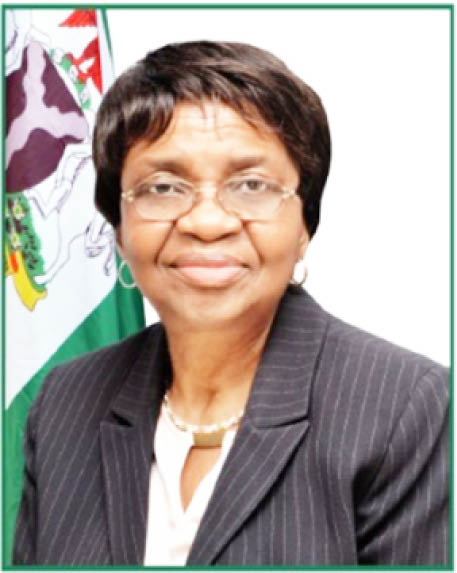
Director-General-of-NAFDAC-Mojisola-Adeyeye
The Director-General of the National Agency for Food and Drug Administration and Control (NAFDAC), Mojisola Adeyeye, has said the agency will continue enforcing the nationwide ban on alcoholic beverages in sachets and small PET or glass bottles below 200ml.
Adeyeye spoke to journalists in Lagos amidst protest by a civic group at NAFDAC’s headquarters in Isolo.
She said the ban was necessary because sachet alcohol is easily accessible to children and young people, especially in commercial vehicles and on busy roads.
Adeyeye said she met with members of two unions that joined the protest and challenged their claim that children do not consume sachet alcohol.
“We will make it public that children take such alcohol. Okadas take such alcohol. Any driver who is not restricting himself can easily get such alcohol,” she said.
The NAFDAC boss explained that children’s bodies are not developed enough to process alcohol and that early exposure can cause long-term damage.
“Children are not small adults. Their physiology is for children,” she said. “When a child consumes alcohol early, their system is exposed to alcohol early and there is always damage.”
Adeyeye added that the concentration of alcohol in sachet products is far higher than in beer.
“It is not the volume you drink, it is the concentration. Some sachet alcohol contains up to 43 per cent alcohol, while beer is about six to eight per cent,” she said.
She cited the World Health Assembly’s 2010 directive urging countries to prevent alcohol access to children, adding that Nigeria was among the 183 countries that signed the agreement.
Adeyeye said the ban had been under discussion for years and that stakeholders were given a five-year moratorium in 2018 to adjust their business plans. The moratorium was later extended by one year to December 2025.
She said enforcement resumed after the National Assembly’s legislative arms reportedly agreed that the moratorium had ended.
“The Senate said we should start enforcement and that is what we are doing,” she said.
Adeyeye also said the ban is based on health and social reasons, including the risk of early substance abuse and other social disruptions.
“The probability of a child that started alcohol early to have all sorts of diseases is high, including cancer,” she said.
She said enforcement would continue unless a law is passed to stop it.
“If the law says do not, we will not. For now, it is only the law that can stop enforcement,” she said.