
Applause for Democracy Day Inside Sources interview with Gen Williams who quit military in ’93 to protest June 12 annulment
Retired General Ishola Williams captivated viewers with his candid insights on Nigeria’s democracy and governance during his interview on Channels TV’s Inside Sources with Laolu Akande on Friday. The discussion, which aired two days after Democracy Day, became a focal point for viewers, sparking a wave of admiration and introspection across social media platforms. Viewers’ […]
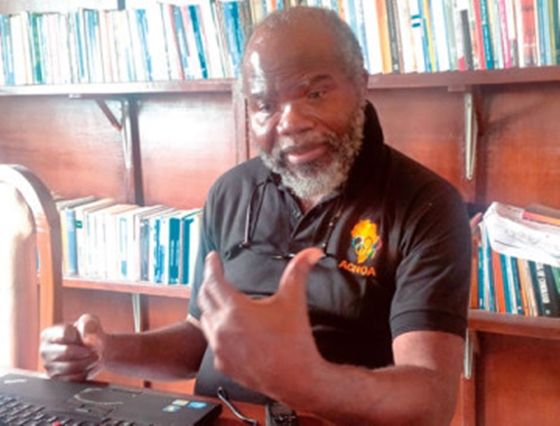
ishola williams
Retired General Ishola Williams captivated viewers with his candid insights on Nigeria’s democracy and governance during his interview on Channels TV’s Inside Sources with Laolu Akande on Friday.
The discussion, which aired two days after Democracy Day, became a focal point for viewers, sparking a wave of admiration and introspection across social media platforms.
Viewers’ comments on Channels TV’s YouTube page, which was overwhelmed with positive responses for both the host and guest on Inside Sources.
One viewer, @toksmith75, expressed deep respect for General Williams, recounting anecdotes of his father’s admiration for the general during his military service. According to the comment, General Williams was noted for his integrity and fiscal prudence, an attribute that earned him both respect and sometimes isolation within military circles.
@bolasalak7360 echoed this sentiment, describing the interview as “educative” and “thought-provoking,” unlike typical analyses that merely criticize without offering solutions. General Williams, in his discourse, not only pinpointed systemic issues but also proposed practical solutions, underscoring his reputation as a seasoned analyst committed to national development.
@lawrenceobisakin2258 commended the interviewer, Laolu Akande, for facilitating a robust discussion and emphasized the importance of understanding the underlying motives of Nigeria’s leadership decisions. General Williams’ comprehensive understanding and grounded analysis were highlighted as essential for fostering a deeper national discourse on governance.
The interview resonated deeply with viewers, who appreciated General Williams’ courage to challenge the status quo and his unwavering commitment to transparency and accountability. As Nigeria grapples with ongoing challenges, voices like General Williams’ provide a beacon of hope and a roadmap for constructive dialogue towards a more inclusive and prosperous future.
During the programme, General Williams pointed to pervasive corruption, brutality, and inefficiency within the police ranks as reasons for his radical proposal to eradicate the Force. He highlighted numerous instances of police misconduct, including extrajudicial killings, extortion, and collusion with criminal elements.
“On security, if you have been doing something for over 10 years and it is not working, you should change tactics. If you don’t change the doctrine and the tactics, you will never be able to deal with the problem,” Williams stated.
Instead of reforming the existing police structure, Williams proposed a complete overhaul, suggesting a shift to a more community-oriented and accountable security apparatus.
He emphasized the importance of public safety being managed from the grassroots level, asserting that crime prevention is a more effective crime control system. “That is why we need state police, that is why we need local government police,” he said. “Because where do they kidnap people if not in communities?”
Williams suggested replacing the Nigerian Police with a Crime Intelligence and Criminal Agency, akin to the FBI in the United States.
He also advocated for the creation of a para-military police force, reminiscent of the original mobile police, and strengthening border agencies.
“With a good para-military police and border agencies, you don’t need the military; the military can now concentrate in the North-East,” he explained.
General Williams’ reflections on the annulment of the June 12, 1993 election, which led to his resignation from the military in protest, were particularly poignant.
His stance against corruption and dedication to ethical leadership have solidified his legacy as a principled and visionary leader.
As the nation continues to navigate its democratic journey, the insights shared by General Williams remind citizens and leaders alike of the enduring importance of integrity, accountability, and proactive problem-solving in governance. His interview stands as a powerful testament to the impact of honest and informed dialogue in shaping Nigeria’s future.