
Application of corruption laws could land citizens in prison – ICPC
Nigeria’s corruption crisis is so widespread that a strict application of existing laws will send the majority of citizens to prison, said the Independent Corrupt Practices and Other Related Offences Commission (ICPC). This was the warning issued by the Resident Anti-Corruption Commissioner for Kaduna State, Sakaba Ishaku, at a capacity-building workshop on local government accountability […]
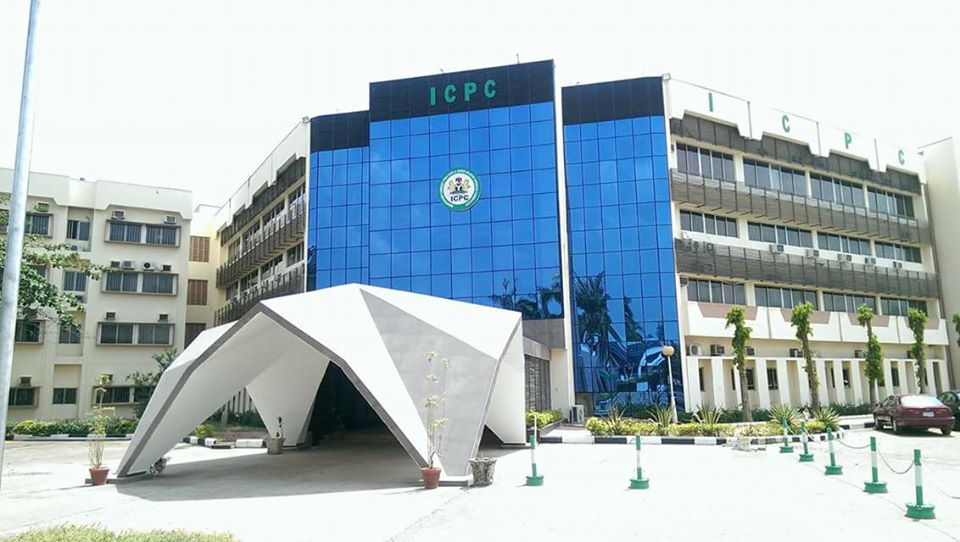
Nigeria’s corruption crisis is so widespread that a strict application of existing laws will send the majority of citizens to prison, said the Independent Corrupt Practices and Other Related Offences Commission (ICPC).
This was the warning issued by the Resident Anti-Corruption Commissioner for Kaduna State, Sakaba Ishaku, at a capacity-building workshop on local government accountability in Kaduna organised by the Ministry for Local Government and Chieftaincy Affairs on Wednesday.
Speaking at the event themed: “Accountability in Local Government: A Springboard for National Development,” Ishaku described corruption as deeply rooted across all sectors of Nigerian life.
He declared: “If the laws were to be applied to the latter about 80 per cent of the people you see walking the street freely will be in jail.”
He stressed that corruption in Nigeria was “endemic and deeply entrenched across all levels of governance and society, driven by weak institutions, lack of accountability and pervasive socio-economic factors.”
He added: “Let me be clear, there is no massive wealth that is acquired that has no criminality behind it, even if it is by bequest, check its origin, at best you must have underpaid labour.”
The ICPC commissioner lamented that many Nigerians resisted anti-corruption campaigns because corrupt practices benefitted certain individuals.
Calling for tougher sanctions, Ishaku warned that current penalties for corruption were grossly inadequate.
“Where someone steals N2bn and he is sent to prison to spend just five years is just a slap on the wrist,” he argued.
He urged a re-examination of Nigeria’s anti-corruption laws to make them stronger and more deterrent.
In his remarks, the Kaduna State Commissioner for Local Government and Chieftaincy Affairs, Sadiq Mamman Legas, supported the ICPC’s concerns and added that community behaviour was also undermining development.