
As CBN cuts lending rates
The Monetary Policy Committee [MPC] of the Central Bank of Nigeria (CBN) at its 266th meeting last week cut the Monetary Policy Rate (MPR) benchmark lending rate by 50 basis points – that is from 14% to 13.5%. This change of the MPR is the first since July 2016. Announcing the new development at the […]
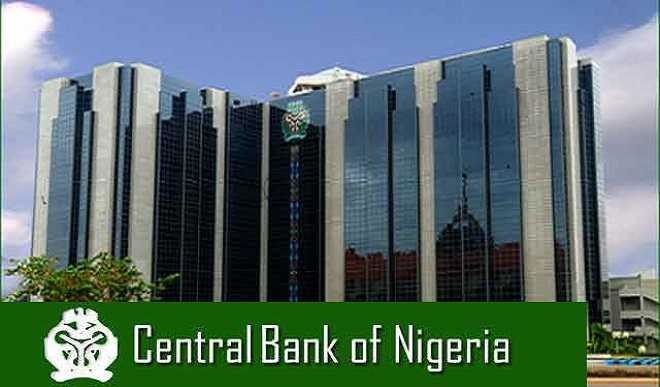
Corporate headquarters of the Central Bank of Nigeria, CBN in Abuja
The Monetary Policy Committee [MPC] of the Central Bank of Nigeria (CBN) at its 266th meeting last week cut the Monetary Policy Rate (MPR) benchmark lending rate by 50 basis points – that is from 14% to 13.5%. This change of the MPR is the first since July 2016. Announcing the new development at the apex bank after the meeting last week Tuesday, CBN Governor Godwin Emefiele justified it on the grounds that there was a need to signal a new pro-growth direction for the Nigerian economy.
According to him, the rate cut would help to manage investor sentiments in terms of boosting capital inflows. The MPR rate constitutes the baseline interest rate in the economy on which every other interest rate is computed. This fact underlies its importance in the economy. Considering that the last change in MPR was in August 2016 during the last economic recession which hit the economy, the recent development signals a growing confidence in the turn-around process of the economy. At the time the MPC changed the MPR in 2016, the country needed some drastic measures to check various maladies including an acute inflationary situation. Other contingent situations included the need to improve investor confidence in the Nigeria economy and grow foreign direct investment, FDI.
Since 2016 the MPC which meets every three months had been reluctant to reduce the MPR even at its January 2019 meeting, for fear that such could erode the gains made after returning the economy from recession. Specifically, fears were rife that changing the MPR earlier than now would worsen several factors including the position of non-performing bank loans and hamper improvements in output growth, especially in the light of the fragile recovery of the economy from the recent recession.
In the circumstances, the re-election of President Muhammadu Buhari for a second term in office seems to have provided more clarity and hence the impetus for a new perspective on the future of the economy. This seems to justify the new changes in the MPR. If that be the case, then the development is welcome as lower interest rates ordinarily encourage increase in productivity by making credit cheaper and more accessible.
Besides the cut in MPR, CBN is also resolved to maintain its tight money policy in order to rein in undue expansion in cash flow and the worsening of the gains from the anti-inflation measures. Cautiousness of the apex bank is justified if its target is of progressing from the 1.93% growth rate of the Nigerian economy in 2018 to the target of 3.5% set for 2019, as well as confining inflation rate from going beyond the present 12%.
Nevertheless, much as the new development is based on valid expectations, the need as always exists for the CBN to exercise extra discretion to ensure that the steady keel of its programmes remains intact. For instance, the long-expected adjustment of interest rates to the real sector of the economy to single digit regime needs to be facilitated, since this is critical for boosting domestic productivity and expansion of the economy. In the absence of such discretionary treatment of the real sector, expectations of rapid and ambitious growth of the economy may not be realized. From experience, due to the cash driven nature of the Nigerian economy, it is the service sector that often claims the lion’s share of the investible funds as operators there promise quicker returns on investment.
In that respect, while the cut in MPR may seem significant, it is still a far cry from addressing the single-digit interest rate expected for the real sector the economy. It is not possible to crash the MPR in one fell swoop but our expectation is that CBN’s Monetary Policy Committee will continue the gradual and careful trend until a single digit interest rate for the real sector is achieved.