
As euros crash, experts worry over African banks with euro reserves
Exactly a year ago, the Euro/USD rate was $1.189/Euro, but just this week, the Euro is now worth less than a United States Dollar at USD0.998/Euro, breaking a 20-year jinx and undermining the viability of Europe as a competitive region. Analysts believe the crash is due to the Russian/Ukraine war amidst sanctions that have prohibited […]
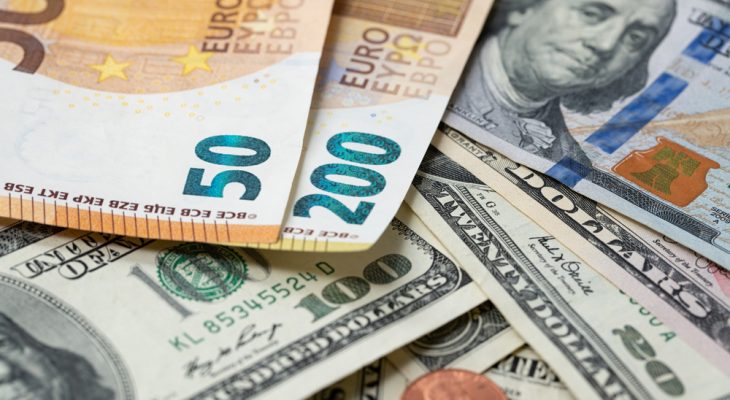
Exactly a year ago, the Euro/USD rate was $1.189/Euro, but just this week, the Euro is now worth less than a United States Dollar at USD0.998/Euro, breaking a 20-year jinx and undermining the viability of Europe as a competitive region.
Analysts believe the crash is due to the Russian/Ukraine war amidst sanctions that have prohibited major imports from Russia, affecting energy, food and other supplies from the blacklisted country to the European countries.
Direct Flight will strengthen the bond between Nigeria and China – Air Peace
NCDMB unveils 7 regulations, warns oil firms
While experts argue that this could be a major shift in the global financial economy, there are concerns about the state of some African central banks especially in francophone countries that hold their reserves in the European currency, noting that they could lose value.
Speaking to Daily Trust about this yesterday, a Lagos-based financial analyst, Abiola Rasaq, said: “This is perhaps indicative of the beginning of a new world order. But incidentally, the effect would not be remote to Europe, it has serious implications for a number of African countries, especially the Francophone West and Central African economies, whose local currencies, XOF and XAF, are pegged to the Euro. It’s a major depreciation of value.”
The Chief Executive Officer of Blackstone Capital Ltd, Dr Lizzie Kings-Wali, expressed cautious optimism about Europe’s ability to manage the currency crisis.
However, Rasaq noted the development may be positive for Nigeria, subject to the ability of the government to leverage the situation.
“Over a quarter of Nigeria’s imports is from Europe, the second-largest trade continent after Asia. The weaker currency helps to taper potential imported inflation and confers stronger bargaining power, which if well channelled, can funnel foreign direct investments, all things being equal,” said Razaq.
He also warned Nigeria to begin to revisit the denomination of its external reserve for probable diversification.
“Asia is undoubtedly getting stronger amidst the global tussles and with China capturing global manufacturing already, its new strategy may just well be anchored on currency management,” Rasaq explained.