
Bayelsa ruling: God came down to Supreme Court — Diri
Governor Douye Diri of Bayelsa State has said that he is under obligation to deliver on his promises to the people of the state as a ‘miracle governor’ who took over the mantle of leadership by sheer divine intervention. Diri, who spoke with journalists in Lagos, said he and his deputy fasted for three weeks […]
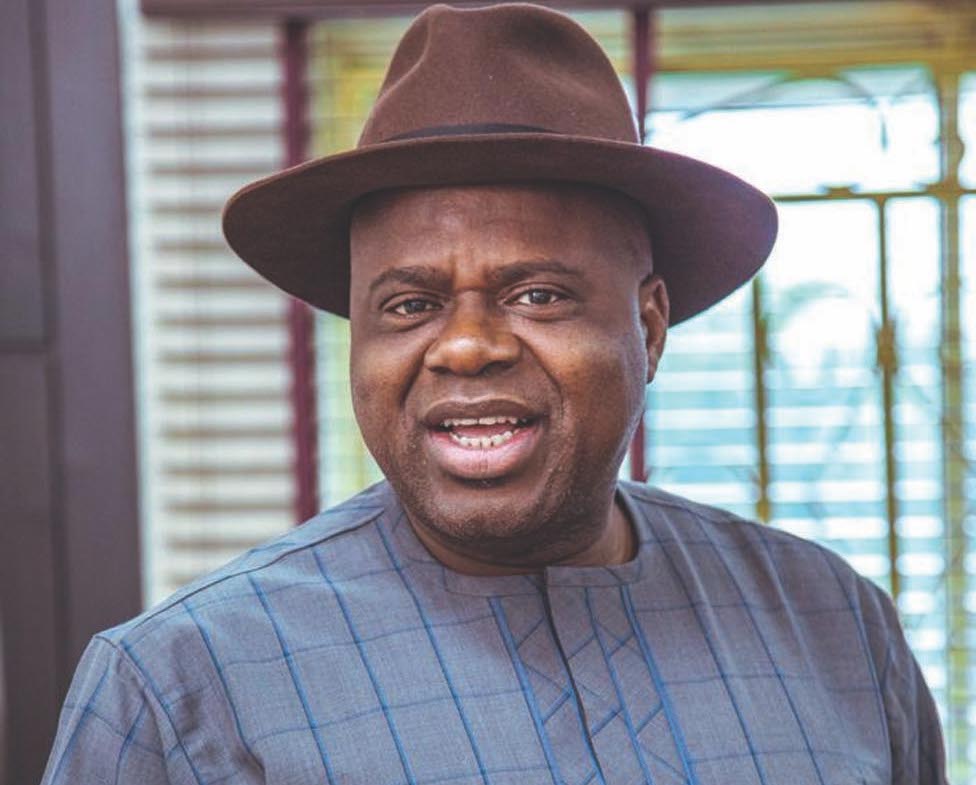
Bayelsa governor, Douye Diri
Governor Douye Diri of Bayelsa State has said that he is under obligation to deliver on his promises to the people of the state as a ‘miracle governor’ who took over the mantle of leadership by sheer divine intervention.
Diri, who spoke with journalists in Lagos, said he and his deputy fasted for three weeks from 6am to 6pm daily asking God to intervene in the case.
He reflected on the Supreme Court verdict which pronounced him as the governor of the state on February 13, saying, “God came down from heaven to be in the Supreme Court.”
He, however, reiterated his call on the opposition to join hands with the government to take the state to another level, saying he extended the olive branch to members of the opposition from day one.
Diri said he had also advised the leadership of the party to set up a reconciliation committee to unite aggrieved members of the Peoples Democratic Party (PDP).
He said the violence unleashed on the state after the Supreme Court judgement was triggered by the inflammatory statements made by leaders of the opposition.
He added that his government would continue to vigorously pursue the reconciliation process no matter whose ox was gored.
According to him, the election in Bayelsa was like a coup d’état.
He said the All Progressives Congress (APC) could not have won in a free, fair and transparent election as majority of the people are in the PDP.
The governor also justified the N2.9bn car loan being taken by his administration, saying contrary to insinuation in the public, the money was meant to purchase vehicles for senior government officials and members of the House of Assembly.
Diri explained that the state was not as rich as people thought, saying it may be sitting on rich resources but a state government has no control over the rich oil reserves.
He therefore called for a review of the 13 per cent derivation being given to oil producing states.