
Be thankful to Him
Whenever you pick up the Glorious Quran, you will definitely be awed and full of admiration for a book that represents the acme of excellence. Here is a book that contains the exact messages of the Almighty to humanity, that talks about the past in the present and mediates the eternal to the temporal. While […]
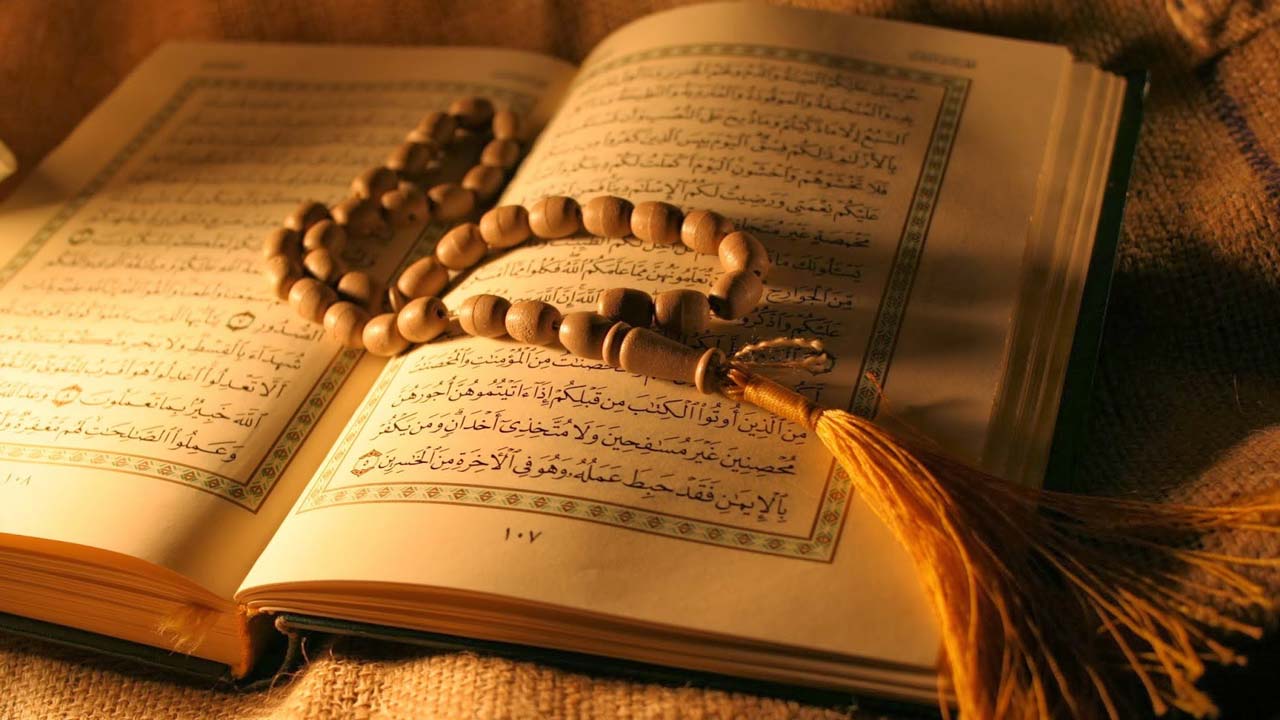
Whenever you pick up the Glorious Quran, you will definitely be awed and full of admiration for a book that represents the acme of excellence. Here is a book that contains the exact messages of the Almighty to humanity, that talks about the past in the present and mediates the eternal to the temporal. While warning humankind about the evil effects of vices, it extols virtues; it calls to morality, sympathy, empathy and charity. It emphasises the importance of gratitude even in the absence of plenitude.
Gratitude to the Almighty (Shukr) is an act of worship. It involves the acknowledgement of the blessings of the Almighty. This occurs at different levels. The first belongs in the heart (Al-Qalb). This happens in the form of the conviction that the believer holds that nobody but Him, the Almighty, can bestow favours. The recognition that all blessings—health, wealth, family, and faith—come solely from the Almighty, not from one’s own efforts, is fundamental to the Islamic belief system. Whenever this is firmly established in the heart, it becomes easy for other parts of the body to equally show appreciation and gratitude to Him. This becomes manifest through the tongue.
The expression of gratitude to the Almighty through the tongue (al-Lisan) by uttering the statement ‘Al-Hamdulillaah’ is both an obligation and a virtue. In Quran 2: 152, the Almighty says: Remember Me; I will remember you. And thank Me, and never be ungrateful to me’. This partly explains the chanting of words of gratitude by Muslims after every prayer. By saying Al-Hamdulillaah many times, their hearts become full of gratitude to Him for His blessings, even as they do through all the parts of their bodies. The Prophet Muhammad (upon him be peace) said that the Almighty is pleased with a slave who praises Him (says Alhamdulillah) when taking a drink or eating his food.
The greatest way of showing gratitude to Him, however, involves obeying His injunctions, avoiding His prohibitions, and maintaining humility. To be humble is to affirm His omnipotence. To be humble is to bask in the certainty of divine munificence. In other words, using one’s body, wealth, and skills in halal ways, performing obligatory prayers, paying Zakat, and engaging in voluntary worship when backed by the right intention are ways by which we can show gratitude for His favours.
In closing, keep the following in mind if you desire to be a grateful servant of the Almighty: one, focus on the positives all the time. Remind yourself of Allah’s favours upon you throughout the day in order to avoid taking them for granted.
Two, be humble. Recognise that He is the provider and avoid pride. Recall that if His favours and blessings were to be apportioned using people’s height or might, there are millions of His servants on earth who are taller and stronger than you are.
Three, recognise that your present situation could actually be worse, therefore thank Him earnestly for your present condition. Keep in mind that all circumstances hold good from the Almighty.
Four, serve others. Use your blessings to help others and show kindness. Shukr is a way of life that brings spiritual rewards, protects against pride, and fosters a closer relationship with the Creator. The more thankful you are, the more qualified you become for His favours.