
Beat the Bills: How Nigerians Can Spend Less on Petrol and Power This Year
This year has seen many reasons for fuel price increases in Nigeria, from fuel subsidy removal to electricity tariff hikes. All these actions at the government level have a significant impact on working Nigerians and their ability to pay bills and live comfortably. Public transport is becoming more expensive, and small businesses are seeing running […]
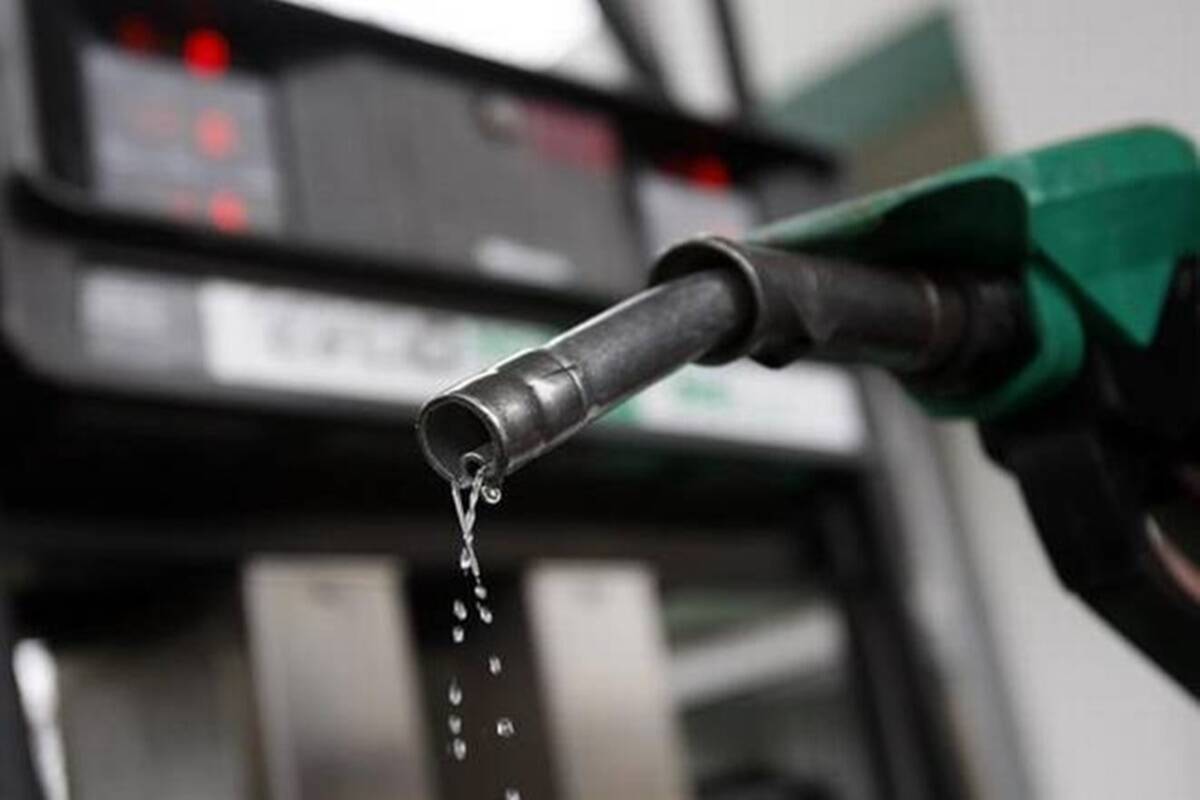
This year has seen many reasons for fuel price increases in Nigeria, from fuel subsidy removal to electricity tariff hikes. All these actions at the government level have a significant impact on working Nigerians and their ability to pay bills and live comfortably.
Public transport is becoming more expensive, and small businesses are seeing running costs increase, which reduces their profits and puts them in a challenging position for maintaining staff numbers. But with a few tips, Nigerians can live well for less.
This article will show how to spend less on petrol and power this year despite all the challenges and price increases. It begins with fuel-saving habits for drivers and commuters, moves on to how to cut electricity costs, budget-friendly tech alternatives, digital advertising, and the role of local government.
Fuel-Saving Habits for Everyday Commuters and Drivers
It’s essential to follow certain habits with your vehicle, especially if you use it multiple times a day. Daily use requires frequent maintenance, so ensure your tire pressure is adequate and service your engine regularly. These steps help ensure that tires don’t degrade quickly and that the engine uses fuel efficiently, saving money and time to refill.
Another way to reduce the amount of fuel you use for your vehicle is to plan your route when you run errands. If you think about it, do you need to use the car for every trip? Avoiding unnecessary trips, even just by 0.5-1km a day, can save a lot of money when you add it up at the end of each week.
The final and most obvious way to save money on fuel is to avoid using your car at all. Try these alternatives to save money and the environment:
Carpooling
Multiple people share one vehicle, splitting fuel and toll costs, reducing overall travel expenses significantly.
Public Transport
Buses and trains cost less than personal cars, lowering fuel, maintenance, and parking expenses daily.
Ride-Sharing
Apps match riders going similar routes, enabling cost-splitting and reducing solo trips’ total fuel costs.
How to Cut Electricity Costs Without Sacrificing Comfort
Next, let’s consider how to reduce your electricity costs without sacrificing the comforts you’re used to in your home.
Firstly, try to find LED bulbs as they are more energy-efficient and usually last longer than traditional bulbs, saving money on all fronts. It’s also useful to use energy-efficient appliances. With appliances, the upfront costs may be high, but they will save you money in the long term on energy bills.
At the end of the day, do you turn appliances like the TV off with only the remote? If so, you’re missing a trick. Turn everything off at the wall to avoid phantom electricity costs and save money.
Budget-Friendly Tech Alternatives for Energy Management
It’s essential to look for as many budget-friendly alternatives to the technology you currently use to optimize your energy use. Because it’s not just how you use energy, but what you run it through, that will reduce your bills.
Affordable inverters, prepaid meter monitoring apps
Low-cost inverters provide backup power during outages, while prepaid meter apps help track electricity usage, enabling users to budget better and avoid sudden disconnections or high, unexpected bills.
Mobile-friendly solar kits for rural and urban use
Portable solar kits with phone charging and lighting functions offer an affordable, clean energy solution for homes without reliable electricity—ideal for both rural areas and underserved urban communities.
Timers and smart plugs to reduce standby consumption
Smart plugs and timers automatically shut off appliances when not in use, preventing energy waste from idle electronics and helping households lower electricity bills without changing daily routines.
Raising Awareness Through Digital Advertising and Connected TV Ads
The government and NGOs are also helping Nigerians to follow tips to make smarter decisions through connected TV ads, which show energy-saving tips and life hacks to make small changes to lifestyles without sacrificing standards of comfort.
This advertising is delivered through online streaming platforms like YouTube on smart TVs and mobile apps, making it easy for Nigerian residents to consume within their daily use of mobile devices.
Visual demonstrations of new ways to use technologies to save on energy bills are already making a difference, with many public campaigns successfully helping people reduce their bills.
Final Thoughts: Long-Term Savings and Smarter Consumption
It’s essential for Nigerians to consider how to save money via ways within their control because there are so many reasons prices go up that they have no control over, such as the withdrawal of subsidies and increases in tariffs.
Another way to support the future of cheaper energy is to promote youth involvement to include their ingenuity and ideas on how to tackle rising fuel prices and use tech innovation to fight high prices.
Many of the ideas above sound like small changes that won’t make much difference. But it’s crucial to remember that small changes matter because they can make a big difference to your wallet and the environment.