
Beat the Sleepiness after Your Lunch
It happens to many of us. You finish a solid lunch – maybe pounded yam with your favourite soup, or rice with plantain and chicken. Between the last bite and the next task, a heavy fog rolls in. Your eyelids droop. Even concentrating on a report, picking up the children from school, or sending a […]
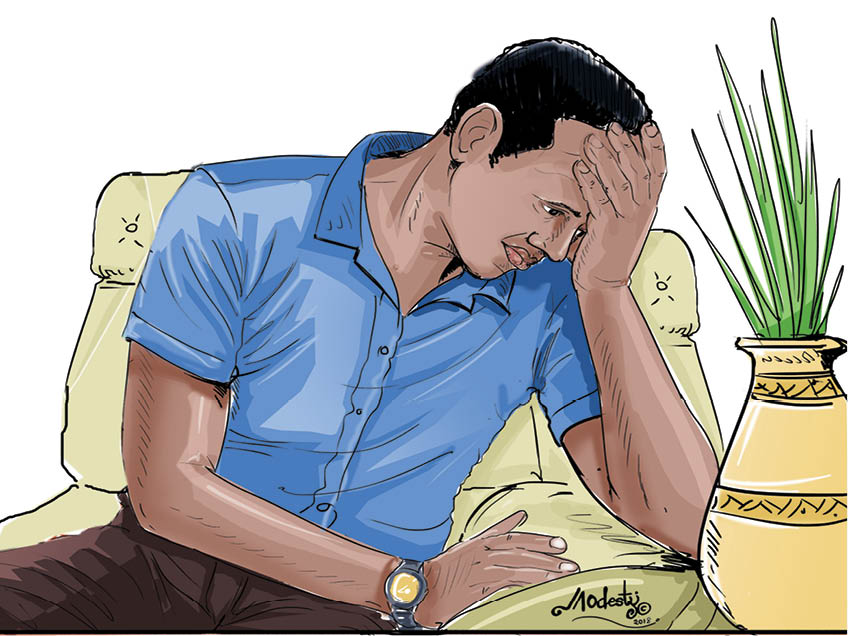
It happens to many of us. You finish a solid lunch – maybe pounded yam with your favourite soup, or rice with plantain and chicken. Between the last bite and the next task, a heavy fog rolls in. Your eyelids droop. Even concentrating on a report, picking up the children from school, or sending a text feels Herculean. This is postprandial somnolence, often referred to as food coma. And you are not alone in battling the urge to nap on the sofa or at your desk.
Surveys from around the world suggest that well over 50% of all adults regularly experience noticeable sleepiness after meals. In Nigeria, simply look around any office after 2 pm on a regular workday. You will see heads nodding during meetings, and the quiet hum of air conditioners becomes a lullaby. The sheer number of people who suffer from this makes it feel like a normal part of life, just something we have to endure. That is, however, only half true.
While some degree of post-meal drowsiness has biological roots, how often it happens to you and how hard it knocks you down are far more within your control than you might imagine. And that is where personal responsibility comes in. This is not the finger-pointing kind, but the practical, empowering kind. Blaming the heavy food or the hot weather does not fix the afternoon drowsiness. Changing a few daily habits does.
So, what is actually going on inside you? After eating, blood flow shifts a little toward your digestive tract. Hormones like cholecystokinin and serotonin rise, and these have mild sedative effects. Your body also releases insulin to manage the incoming sugar. That process can trigger a drop in blood glucose if the meal was heavy on refined carbohydrates. Now think about a typical Nigerian lunch: white rice, yam, plantain, or semovita. These are all high on the glycaemic index. They flood your system with fast-digesting carbs. They cause a sharp rise and fall in blood sugar. And they leave you struggling to keep your head up.
However, here is the part rarely mentioned in casual conversations: the meal itself determines much of the after-effect. A massive plate of pounded yam and egusi soup with a big chunk of meat is a recipe for drowsiness. Your body works so hard to break down that heavy, starchy, fatty meal that there is little energy left for anything else. Meanwhile, a meal that balances protein, fibre, healthy fats, and slower-burning carbohydrates produces a much gentler response. Think grilled fish with a portion of vegetables and a small portion of brown rice or ofada rice. Or a bowl of beans porridge with a blob of palm oil and a sprinkle of vegetables. No crash. No drowsiness.
Now, the size of the meal matters just as much. A bowl of amala and ewedu feast can feel like a reward after working so hard. However, your body interprets it as a huge strain on the digestive system. The bigger the load, the more energy your system diverts to processing it, and the sleepier you will feel. Smaller, more frequent meals help maintain steadier energy levels throughout the day compared to two or three large, poorly planned meals. A modest portion of moin moin with a piece of boiled fish, followed by a small orange or a handful of groundnuts, a couple of hours later, is a lot better.
Hydration plays a quiet part in all of this. Even mild dehydration, which is common in our climate because we sweat without realising it, amplifies fatigue. After a meal, if you feel drowsy, try drinking a full glass of water before you reach for a sweet, carbonated drink or a cup of sugary tea. Often, the water helps more than the sugar. And do not forget that many of our staple soups and stews can be quite salty. This only worsens cases of dehydration.
Then there is movement. The old Nigerian instinct after a heavy lunch is to find a couch, loosen your belt, and groan. That is the worst thing you can do for alertness. A short walk of five to ten minutes significantly improves blood sugar regulation and reduces post-meal sleepiness. Instead of lying or sitting down immediately, try walking around. Multiple studies have shown that people who walk after a meal report lower fatigue levels than those who sit still.
Sleep hygiene also plays a hidden role. If you are chronically short on sleep at night, your post-meal sleepiness will be much worse. That is not mysterious. A tired body seizes any excuse to power down, and a proper meal simply provides that excuse. So, protecting your night’s sleep is essential. A dark room, a consistent bedtime, and putting the phone away an hour before sleep. These are foundational to managing daytime drowsiness.
We cannot help but mention the workplace itself. Many offices are designed for sedentary eating at desks, and this unintentionally aids sleepiness after a meal. Eating quickly in front of a computer screen will necessarily lead to a crash, especially if the food is rich in oil and refined carbs. Taking a proper break away from your desk and eating with some attention to what you are putting in your mouth is not a luxury. It is a performance-enhancing tool.
Now, some people have underlying conditions that worsen post-meal sleepiness. These include reactive hypoglycaemia, diabetes, or sleep apnoea. If you have made honest changes to your eating and movement habits for a couple of weeks and still feel dangerously drowsy after meals, especially if you ever struggle to stay awake while driving in Lagos or on the highway, see a doctor. Do not self-diagnose your way out of a proper medical review.
Preventing sleepiness after a meal starts with a simple rule of thumb. Build your plate around vegetables, lean protein, and high-fibre starches like beans, brown rice, or unripe plantain. Keep portions of white rice, white bread, yam, and sweet drinks small or occasional. Drink water throughout the day, not just when you feel thirsty. And after eating, move. Even washing the dishes while standing up is better than sinking into a chair.
The truth is that managing the problem once it has already started is harder, but not impossible. If you are already there, do not reach for caffeine immediately. That bottle of Coca-Cola or sweet coffee might wake you, but it also disrupts your next sleep cycle. Instead, try a burst of natural light. Go outside or stand by a window. Splash cold water on your face. Do 20 jumping jacks or a brisk walk around the building. The drowsiness will often lift within 10 minutes if you deliberately move your body.
Most of us have the power to change our experience. However, nobody expects you to get it perfectly right instantly. You will still have the occasional rice, dodo, fried meat, or anything that sometimes leaves you tired or sleepy. The goal here is to stop feeling like a hostage to what you eat. Start small. Try a small piece of boiled yam or unripe plantain with vegetable soup (low oil content) and two boiled eggs this week. Do not wash your lunch down with soft drinks or malt. Drink some water before your next meeting or task. You will be amazed at how much difference little changes can make.
Ojenagbon, a health communication expert and certified management trainer, lives in Lagos.