
Before Governor Mutfwang chides troops of OPSH for failure
In recent times, Plateau State Governor Caleb Mutfwang has increasingly expressed frustration over what he perceives as shortcomings by the Joint Security Task Force, code-named Operation Safe Haven (OPSH). This multi-agency outfit was established to restore peace, maintain order, and ensure safety—not only in Plateau State but also in parts of Bauchi and Kaduna States. […]
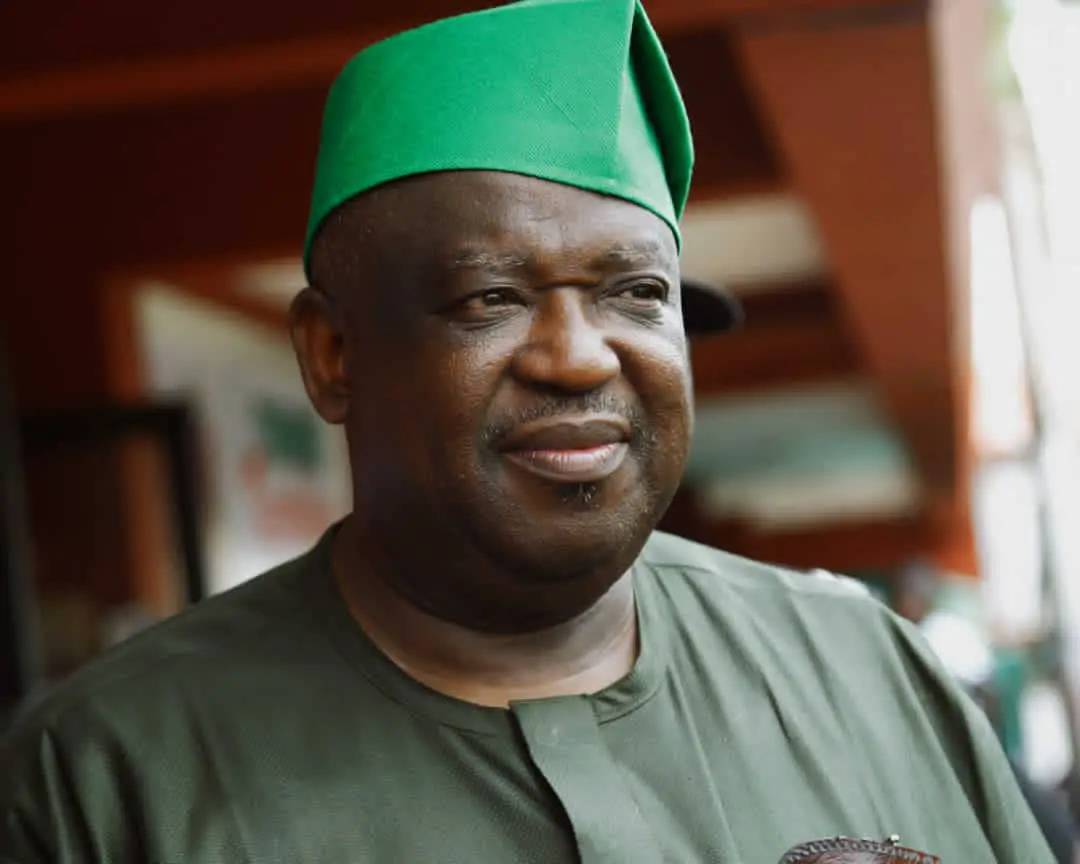
Governor Caleb Mutfwang of Plateau State
In recent times, Plateau State Governor Caleb Mutfwang has increasingly expressed frustration over what he perceives as shortcomings by the Joint Security Task Force, code-named Operation Safe Haven (OPSH). This multi-agency outfit was established to restore peace, maintain order, and ensure safety—not only in Plateau State but also in parts of Bauchi and Kaduna States.
While the dynamics of insecurity have evolved, with banditry largely overtaking the traditional farmer-herder clashes, the responsibility of restoring peace does not rest solely on the shoulders of OPSH personnel. Instead of blaming or openly confronting the troops—especially for political gain—what they truly need is moral, psychological, and logistical support, particularly from those in positions of authority.
Unlike other states where governors have actively supported security agencies, Governor Mutfwang’s contribution in this regard has been minimal. For instance, while Kaduna State—where OPSH operates in just six local government areas—has donated eight operational Hilux vehicles, 45 motorcycles, and additional logistics, to boost troops morale, aide and ease operations, including quick response, Plateau State, where OPSH operates across all 17 LGAs, has only managed to provide 15 motorcycles. Yet, criticism from the state leadership continues unabated.
The governor’s recent public rebuke of the Sector 6 Commander—widely regarded as hardworking—has been seen by many as unbecoming of responsible leadership. Rather than undermining the efforts of security personnel, the governor should be a symbol of unity and social justice.
The Mutfwang’s unlawful demand for the release of some youths alleged of killing a soldier, clearly shows another imbalance from a public figure that is so much anticipated to exbhit responsive leadership, Col Thomas Paave, then Sector commander 6 Riyom, and his gallant troops should be commended by Mutfwang, but not harassed for simply discharging their onerous duty.
Again, the demand by the state government on the federal government to withdraw soldiers is an indication of weakness of leadership, trying to undermine the sacrifice of the men and officers of the joint security taskforce.
Governor Mutfwang should better understand that such agitation is not and will not be the best option-but social justice is.
Dan’asabe Muhammad, Public Affairs commentator