
Benue: 4 health workers infected as Lassa Fever cases rise to 56
At least four frontline medical personnel in Benue State have contracted Lassa fever. The number of those affected by the dreaded disease has risen to 56. These were confirmed in a fresh data released by the state’s Ministry of Health and Human Services. The ministry confirmed that four health workers including three nurses and a community […]
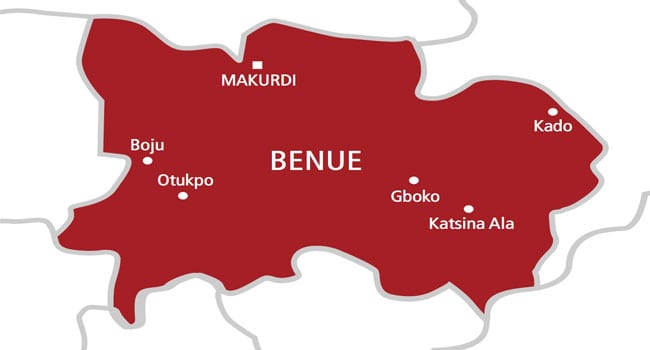
At least four frontline medical personnel in Benue State have contracted Lassa fever.
The number of those affected by the dreaded disease has risen to 56.
These were confirmed in a fresh data released by the state’s Ministry of Health and Human Services.
The ministry confirmed that four health workers including three nurses and a community health worker have tested positive for Lassa fever, following a steady increase in suspected and confirmed cases across the state.
State Commissioner for Health and Human Services, Dr Paul Ogwuche, who disclosed the development in a press statement issued in Makurdi, said the state has officially declared a Lassa fever outbreak and activated emergency response measures to curb further transmission.
“Of the number, eight cases have been laboratory confirmed, with three deaths among confirmed patients and one additional probable death currently under investigation.”
He said the infection of health workers indicated gaps in infection prevention and control which exposes the heightened risks faced by medical personnel on the frontline of care.
He also mourned a Benue-born medical doctor who recently died from Lassa fever while working in Jos, Plateau State, describing the death as a painful loss to the health sector.
The commissioner stressed the need for strict adherence to Infection Prevention and Control (IPC) protocols in all health facilities, warning that lax practices could further endanger both patients and healthcare providers.
He explained that, in response to the outbreak and in line with the directive of Governor Hyacinth Alia, the state government has activated the Public Health Emergency Operations Centre to coordinate surveillance, case management, contact tracing, and risk communication across the 23 local government areas of the state.
Ogwuche further urged residents to remain calm but alert, noting that Lassa fever is commonly transmitted through contact with infected rodents or their urine and droppings, and can also spread from person to person, especially in healthcare settings with poor infection control.
The commissioner added the need for residents to maintain proper environmental hygiene, store food safely to prevent rodent infestation, avoid self-medication, and report early to health facilities when symptoms such as persistent fever, headache, vomiting, diarrhoea, or unexplained bleeding occur.