
Bingham varsity dons urge proactive shift in Nigeria’s construction systems
Scholars at Bingham University have called for a decisive shift from reactive to proactive management systems in the Nigerian construction sector, as they warn that traditional approaches can no longer sustain modern project demands. The position formed the core of discussions at the university’s 12th inaugural lecture held at the Faculty of Architecture Lecture Hall, […]
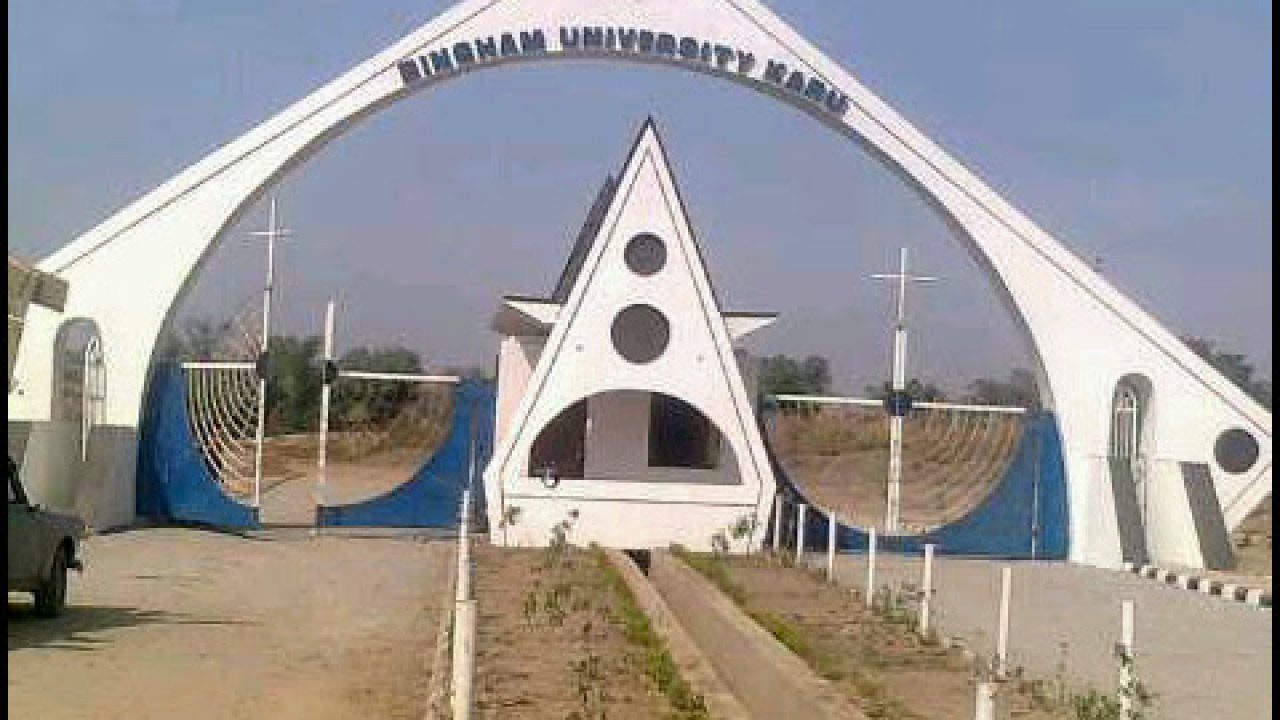
Bingham University – Karu, Nasarawa State
Scholars at Bingham University have called for a decisive shift from reactive to proactive management systems in the Nigerian construction sector, as they warn that traditional approaches can no longer sustain modern project demands.
The position formed the core of discussions at the university’s 12th inaugural lecture held at the Faculty of Architecture Lecture Hall, where construction professionals and academics converged to interrogate emerging challenges in project delivery.
The Vice-Chancellor, Professor Haruna Kuje Ayuba, in his opening remarks, framed the lecture as a significant contribution to advancing construction knowledge and practice. He noted that the Faculty of Environmental Science continues to play a strategic role in promoting innovation within the built environment.
The inaugural lecture, delivered by Professor Yusuf Joe Gandu, a Construction Management expert, examined the theme: “Mutating Construction System and Its Implication on the Production Flow Process: A Quantity Surveying Perspective.” His presentation focused on how rapid transformations in construction systems are disrupting conventional workflows and demanding more adaptive management strategies.
- Rising Oil Prices: FG rules out return of Fuel Subsidy
- Nigeria’s Public Debt Rose by N14.61tn in 2025 – DMO
Gandu argued that the construction industry despite its critical contribution to Nigeria’s economy remains constrained by inefficiencies linked to cost overruns, delays, and compromised quality. These persistent issues, often described as the “Devil’s Triangle,” continue to resist conventional management solutions.
According to him, the root of the problem lies in the sector’s reliance on reactive management models that respond to problems after they occur, often too late to achieve optimal outcomes. He stressed that a proactive approach, which anticipates risks and integrates predictive mechanisms, offers a more effective pathway for managing complex construction systems.
Central to this shift, he explained, is the Proactive Cost Management Model (PCMM), a framework developed to improve cost forecasting, monitoring, and control in building projects. The model combines best practice standards, knowledge management, and data-driven forecasting tools to enhance efficiency across the project lifecycle.
Ayuba also commended Gandu’s broader contributions to the university, particularly his leadership in environmental sustainability initiatives, describing his efforts as impactful and forward-looking.