
Build trust before crisis hits, Lai Mohammed warns institutions
Former Minister of Information and Culture, Lai Mohammed, has warned business leaders and public institutions that failure to build public trust before crises emerge could leave organisations vulnerable to reputational damage and operational setbacks. Speaking at a Guest Lecture Series organised by the University of Abuja Business School on Thursday in Abuja, Mohammed said communication […]
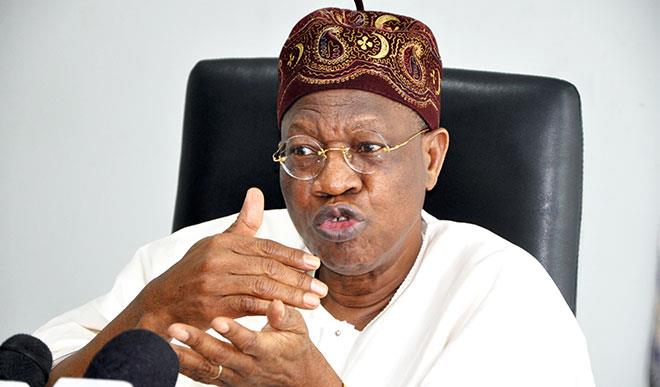
lai mohammed..
Former Minister of Information and Culture, Lai Mohammed, has warned business leaders and public institutions that failure to build public trust before crises emerge could leave organisations vulnerable to reputational damage and operational setbacks.
Speaking at a Guest Lecture Series organised by the University of Abuja Business School on Thursday in Abuja, Mohammed said communication should be treated as a core leadership strategy rather than a mere publicity function.
“In both government and business, communication is not the support act. It is the strategy itself,” he said.
Drawing from his experience during the administration of former President Muhammadu Buhari, Mohammed cited national crises such as the Boko Haram insurgency, the COVID-19 pandemic, civil unrest and misinformation campaigns as examples of why trust must be cultivated long before emergencies arise.
“Trust is not a communication tool. It is the infrastructure upon which all communication rests,” he stated.
He said organisations that wait until a crisis erupts before engaging the public often struggle to regain credibility.
He outlined six principles institutions should adopt to avoid reputational crises: building trust early, prioritising action over rhetoric, using credible messengers, monitoring developments in real time, countering misinformation quickly, and clearly explaining the reasons behind major decisions.
Mohammed stressed that misinformation has evolved beyond politics into a major corporate and governance threat in the digital age.
“Misinformation is no longer merely a political problem. It is now a business risk,” he warned.
Referencing media tours of communities liberated from Boko Haram control, he argued that visible proof often carries greater weight than official statements.
“When your narrative is under attack, proof is more powerful than position,” he added.
On controversial government decisions such as the suspension of X, Mohammed maintained that difficult policies require sustained public explanation.
“Hard decisions require more explanation, not less,” he said.