
Cameroon election: People’s will must be protected – Groups
Some groups have called on the government of Cameroon to ensure that the will of the people is protected following the October 12 Presidential election. Opposition leader Issa Tchiroma Bakary has publicly declared an “overwhelming victory,” while the government of President Paul Biya insists that only official institutions may proclaim results. They predicted that Cameroon […]
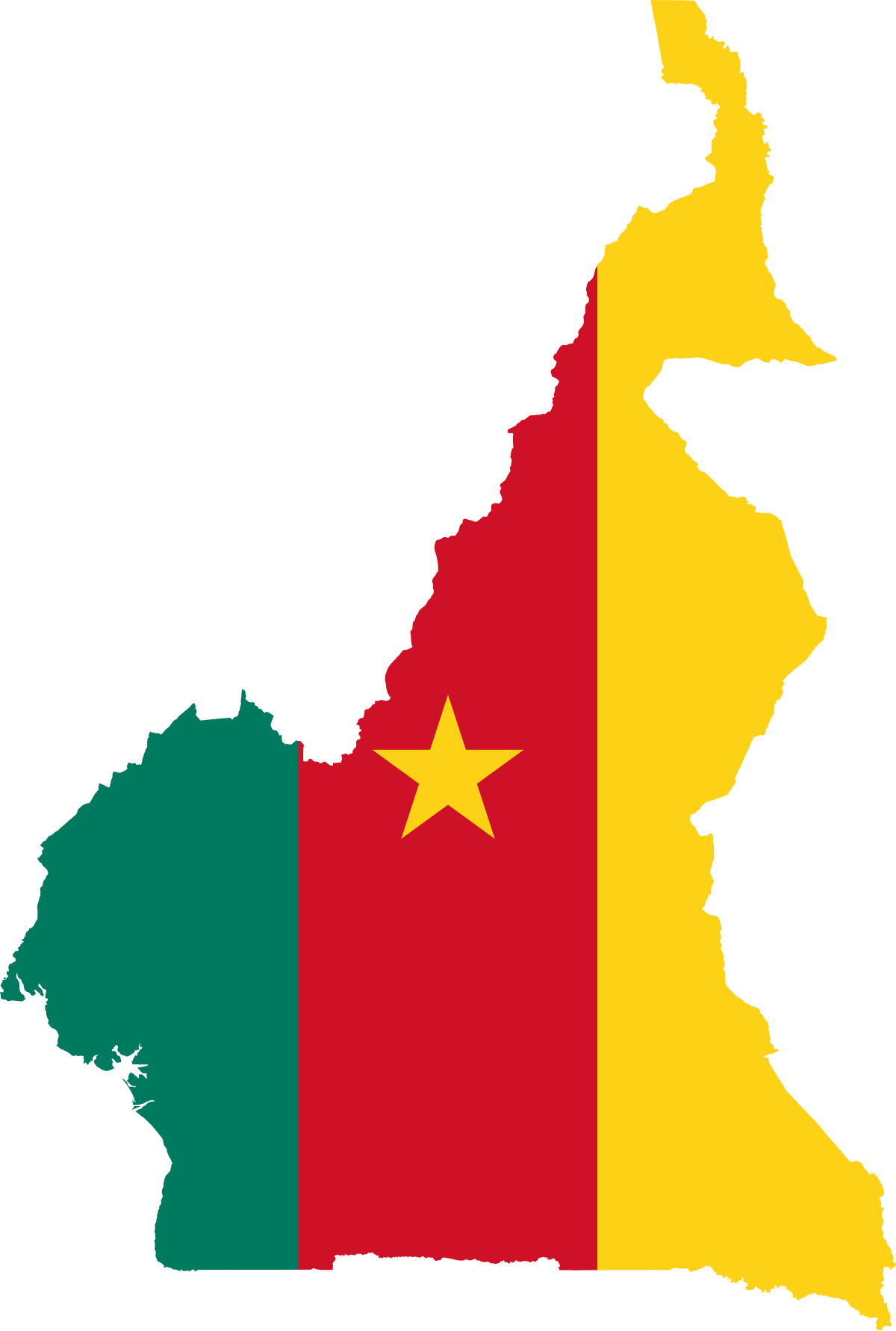
Some groups have called on the government of Cameroon to ensure that the will of the people is protected following the October 12 Presidential election.
Opposition leader Issa Tchiroma Bakary has publicly declared an “overwhelming victory,” while the government of President Paul Biya insists that only official institutions may proclaim results.
They predicted that Cameroon stands at a defining crossroads, warning that tampering with or denying the legitimate verdict could unravel decades of fragile stability, fracture national cohesion, and ignite a regional chain reaction.
While noting that preventive diplomacy now will be far less costly than regional crisis management later, they called on the international community to act swiftly, collectively, and impartially, “not to choose sides, but to preserve regional stability and uphold democratic integrity in one of Africa’s most strategic states”.
The opposition coalition Union pour le Changement 2025 had released its own declaration on 12 October, asserting that “the Cameroonian people have decided,” estimating Tchiroma’s support between 60 % and 80 % in several provinces and calling on the incumbent president to concede.
At the same time, the civic platform Project C, led by veteran journalist Éric Chinje, announced that “all evidence from polling stations in Cameroon and abroad suggests the country is on the threshold of a new era — a Third Republic.”
The group projected Bakary as the likely winner, congratulated citizens for safeguarding their votes, and urged a peaceful transition of power.
In sharp contrast, two official communiqués from Minister of Territorial Administration Paul Atanga Nji (13 and 14 October 2025) condemned the self-proclamation as “irresponsible, arrogant and illegal,” reaffirming that only ELECAM and the Constitutional Council may announce results under Article 137 of the Electoral Code.
According to the Sources, three independent analyses — Jeune Afrique (14 Oct 2025), US Congressional Research Service (15 Apr 2025), and the Atlantic Council (25 Feb 2025) — had already warned that any manipulation or denial of results could destabilise Central Africa.
“The danger now is that Cameroon’s internal legitimacy crisis could spill across borders, threatening the Chad–Cameroon Pipeline, port operations in Douala and Kribi, and regional counter-terrorism efforts,” it said.
Between February and October 2025, three credible sources anticipated precisely this impasse. Atlantic Council (AfricaSource, Benjamin Mossberg – 25 Feb 2025) warned that the absence of political succession could trigger “acute instability” with direct implications for energy security and regional trade.
Also, the US Congressional Research Service – “Cameroon: In Focus” (15 Apr 2025) cautioned against systemic repression, lack of electoral transparency, and a likely legitimacy crisis if October’s vote were contested.
Similarly, Jeune Afrique (Mathieu Olivier – 14 Oct 2025) reported Issa Tchiroma’s self-proclaimed “overwhelming victory” and challenge to President Biya to “respect the truth of the polls.”
Together, these analyses present a clear consensus: Cameroon’s fragile democracy stands at a tipping point.
The CRS report situates Cameroon’s tension within a longer trajectory, indicating that the 2008 constitutional amendment removed presidential term limits, sparking deadly protests.
It also recalled that the 2018 election faced widespread fraud allegations and mass detentions, warning that political power remains hyper-centralised with limited accountability and no visible succession plan.
On its part, the Atlantic Council added that Cameroon is a linchpin for Central Africa’s security and economy, warning that a governance collapse in Yaoundé could disrupt the Chad–Cameroon oil pipeline, undermining fiscal stability for Chad and the CEMAC zone; paralyse the ports of Douala and Kribi, halting trade for Chad, CAR and northern Congo; and reignite Boko Haram/IS-WAP cells.
They urged ELECAM to publish polling station results under independent observation, while also calling for an African Union–facilitated dialogue between the incumbent and Issa Tchiroma Bakary’s coalition.