
Can Nigeria afford to withdraw military troops? A rejoinder
I read with interest the editorial of Daily Trust dated July 30, 2025 with the caption: “Governor Mutfwang’s call on withdrawal of troops misplaced” Governor Caleb Mutfwang’s recent call for the withdrawal of soldiers from Plateau’s flashpoints and their replacement with mobile policemen has ignited a storm of controversy. This influenced the editorial of Daily […]
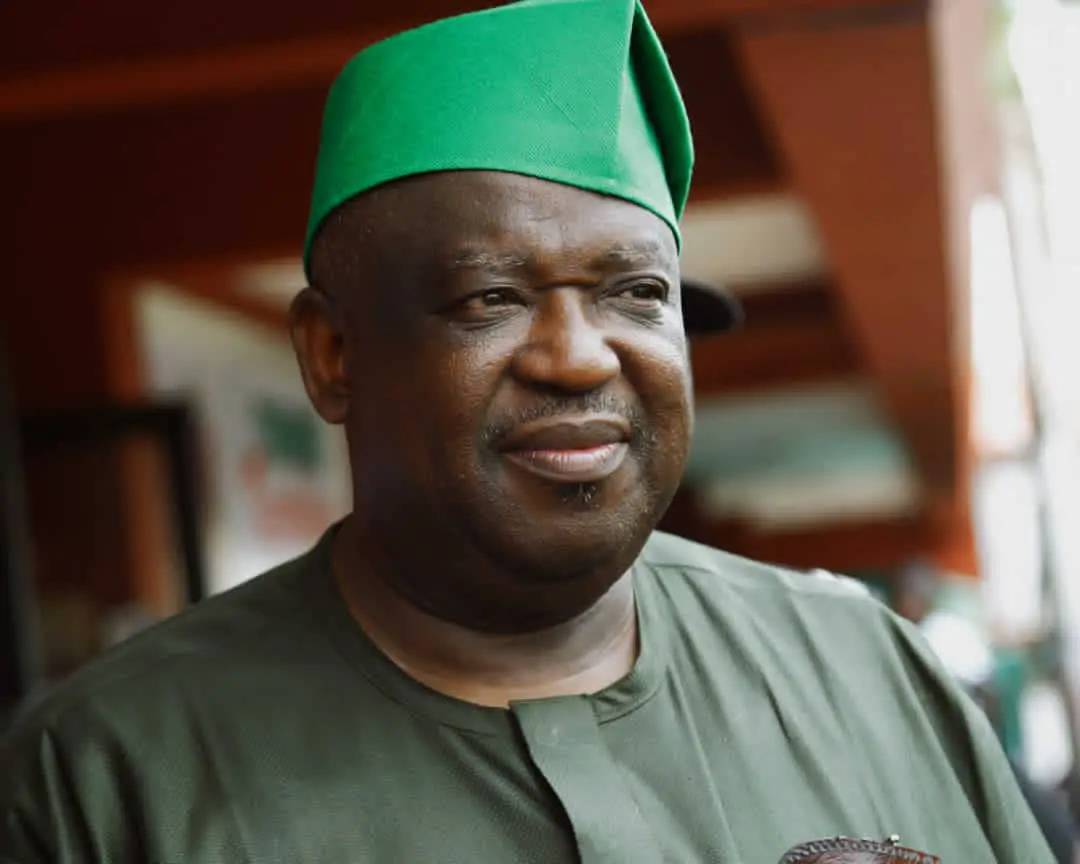
Governor Caleb Mutfwang of Plateau State
I read with interest the editorial of Daily Trust dated July 30, 2025 with the caption: “Governor Mutfwang’s call on withdrawal of troops misplaced”
Governor Caleb Mutfwang’s recent call for the withdrawal of soldiers from Plateau’s flashpoints and their replacement with mobile policemen has ignited a storm of controversy. This influenced the editorial of Daily Trust editorial of July 30, 2025 and titled “Governor Mutfwang’s call on withdrawal of troops misplaced.”
The governor had argued that the military has failed to prevent repeated attacks, including the massacre in Riyom where 27 lives were lost. His frustration is understandable—every Nigerian feels it—but security cannot be handled with gambles. To withdraw the military at this point would be both dangerous and unrealistic.
The editorial rightly argued that the call was misguided, warning that replacing the military with less-equipped forces like Mobile Police could worsen insecurity.
Yes, the army has not stopped every attack. No one pretends that their presence has magically ended the cycle of killings. Yet pulling them out altogether ignores the hard truth: the Nigerian police, as brave as they are, are simply not equipped or trained to face the kind of brutality and coordinated violence that Plateau has witnessed for decades. This crisis is deeply rooted in religious and ethnic tensions, not mere civil unrest. Sending mobile policemen alone into such a storm is like asking a child to stop a wildfire—it is a recipe for disaster.
Critics of Mutfwang’s proposal, including Islamic cleric Sheikh Sani Yahaya Jingir and Hausa-Fulani community leaders, have warned that removing the troops would undo the fragile peace. They are right. The military has not been perfect, but their presence has provided a measure of stability that the police alone cannot guarantee. Before Operation Safe Haven was established, Plateau endured massacres so devastating that entire villages were wiped out. The army’s deployment did not end the killings overnight, but it reduced their frequency significantly. Anyone who remembers those dark years knows that pulling soldiers out now would only plunge the state deeper into chaos.
From a personal standpoint, I understand the governor’s frustration. When people are massacred under military watch, it feels like betrayal. The army is supposed to be our last line of defense, the institution we turn to when all else fails. But disappointment with their lapses should not translate into removing them altogether. Instead, we should demand reforms, new strategies, thorough investigations, and accountability for failures in protecting lives.
This brings us to the Nigerian police. They are courageous men and women, but courage is not enough in a warzone. They are underfunded, under-armed, and under-trained for the level of violence Plateau faces. Police officers are trained for law enforcement, not counterinsurgency. In many of these attacks, gunmen arrive in large numbers, heavily armed, and strike in the dead of night. How can mobile policemen with limited firepower and equipment stop convoys of insurgents wielding AK-47s and riding motorcycles? Even with the army on the ground, such attacks still occur. Without them, the consequences would be catastrophic.
That is why Mutfwang’s call feels unrealistic. The better approach is cooperation, not substitution. The police should complement the military, not replace them. In cases of civil unrest, the police can handle law and order while the army focuses on neutralizing threats. But leaving the police alone in Plateau’s volatile environment would be setting them up for failure—and setting the state up for more bloodshed.
As Nigerians, we must remember that security is not about politics or pride; it is about saving lives. Every wrong decision costs people their homes, families, and futures. Before we consider pulling out troops, we must address the root causes: deep-seated ethnic distrust, the proliferation of illegal arms, and the failure of justice. Until these issues are tackled head-on, the military remains a necessity.
The truth is, Nigerians are exhausted—tired of bloodshed, broken promises, and endless burials. But desperation must not drive us into choices that worsen our pain. Governor Mutfwang, like every leader, should seek peace for his people. But at what cost? Until the police are properly trained, funded, and equipped for war-level conflicts, the military must stay—not as oppressors, but as protectors. Anything else would be gambling with human lives, and that is a risk Plateau, and indeed Nigeria, cannot afford.
I, therefore, agreed with the conclusion of the editorial that called for better collaboration with the military and justice-driven solutions to address the root causes of violence.
Aisha Ibrahim Halilu is a Mass Communication student at Nile University. She can be reached at [email protected]