
Causes of frequent urination among women
I have been experiencing frequent urination for some time now. Initially I thought it was due to infection. I was treated with so many drugs including antibiotics but to no avail. Kindly share useful information about this problem, likely causes and treatment options. Worried lady. Thanks for your question and wishing you quick recovery. People […]
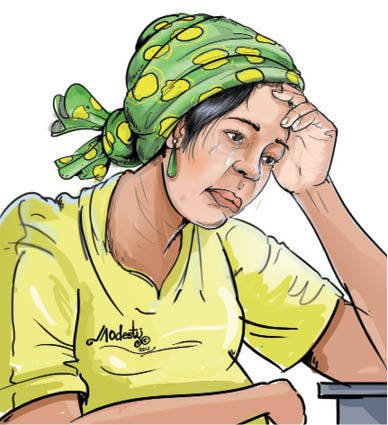

I have been experiencing frequent urination for some time now. Initially I thought it was due to infection. I was treated with so many drugs including antibiotics but to no avail. Kindly share useful information about this problem, likely causes and treatment options.
Worried lady.
Thanks for your question and wishing you quick recovery. People may urinate a different number of times per day depending on how much they drink and how well their kidneys work. According to experts, the average person should urinate somewhere between six and eight times in a 24-hour period. While an individual is occasionally likely to go more frequently than that, daily incidences of urinating more than eight times may signal a concern for too-frequent urination.
What are the causes and risk factors?
Sometimes, frequent urination is due to drinking too many drinks that are known to increase urine production or irritate the bladder. Examples include excess caffeine intake through coffee, tea, and certain soft drinks.
However, frequent urination may also be due to a number of medical conditions. Examples include:
• Bladder stones
• Diabetes
• Interstitial cystitis, a chronic, inflammatory disorder of the bladder
• Low estrogen levels
• overactive bladder
• Urinary tract infection
• Weak pelvic floor organs
• Obesity
• Growing uterus can place extra pressure on the bladder during pregnancy.
• Menopause can also affect bladder control. When women no longer have their periods, their bodies stop making estrogen.
• Childbirth can weaken the pelvic floor muscles that hold the bladder in place.
• Damage to the nerves in the bladder.
What are the symptoms and complications?
A woman may have additional symptoms besides how often she urinates. This may give a doctor a clue as to the potential cause of her frequent urination.
Examples include:
• A changing color to the urine, such as red, pink, or cola-colored
• Experiencing a sudden, strong urge to urinate
• Having trouble completely emptying the bladder
• Leaking urine or losing control over one’s bladder altogether
• Pain or burning when urinating
• If a woman’s frequent urination is due to a urinary tract infection, she could experience a severe and systemic infection if left untreated. This could damage her kidneys and cause narrowing of the urethras.
How is frequent urination diagnosed?
Potential underlying causes for frequent urination will be asked.
Examples of these questions may include:
• When did you first notice your symptoms starting?
• What makes your symptoms worse? Does anything make them better?
• What medications are you currently taking?
• What is your average daily food and drink intake?
• Do you have any symptoms when you urinate, such as pain, burning, or sensations that you are not emptying your bladder completely?
• A doctor may take a urine sample for evaluation. A laboratory can identify the presence of white or red blood cells as well as other compounds that should not be present in urine that could indicate an underlying infection.
• Other testing may include cystometry, or the measure of pressure in the bladder, or cystoscopy, which involves using special instruments to look inside the urethra and bladder.
Some treatment and preventive options?
If a urinary tract infection is the cause, antibiotics are prescribed.
Other treatments and preventive techniques for frequent urination that is not due to infection include:
•Lifestyle modifications: Avoiding foods and drinks known to irritate the bladder can help a woman experience fewer episodes of frequent urination. Examples include avoiding caffeine, alcohol, carbonated beverages, chocolate, artificial sweeteners and spicy foods.
• Adjusting patterns of fluid intake: Avoiding drinking too much water before bedtime can reduce the likelihood of waking up at night to go to the bathroom, for example.
• Bladder retraining: Bladder retraining is another method to reduce the amount of times a woman goes to the bathroom per day. To accomplish this, she will void on a regular schedule instead of always waiting until she feels the need to urinate.
• In addition to this, a doctor can prescribe medications that reduce bladder spasms and encourage relaxation of the bladder. This has the effect of reducing the urges to have to go to the bathroom.