
CCB: In the headlines for good reasons
The high profile case of the suspended Chief Justice of Nigeria (CJN) Walter Samuel Onnoghen has brought the duo federal agencies, Code of Conduct Bureau (CCB) and Code of Conduct Tribunal (CCT), into the media limelight — for good reasons, though, this time around. The long arm of the law they superintended upon has caught […]
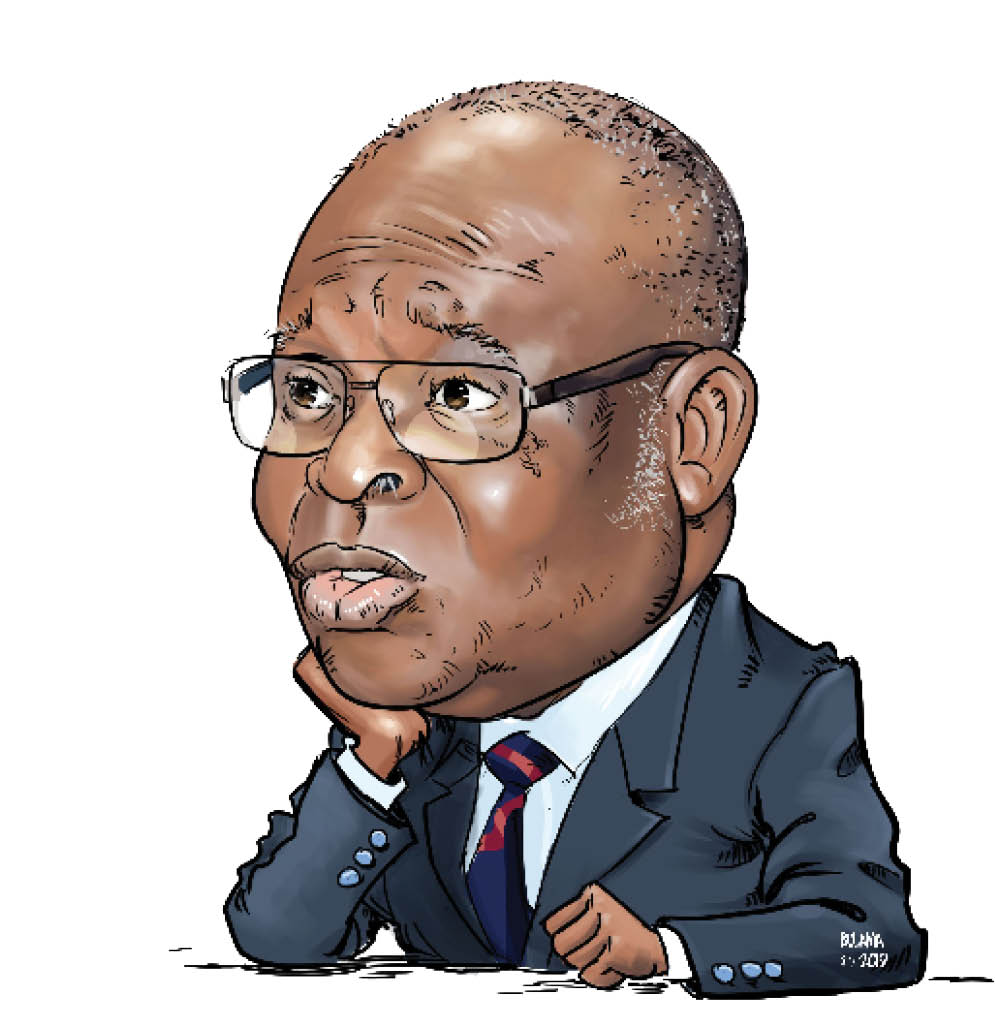
The high profile case of the suspended Chief Justice of Nigeria (CJN) Walter Samuel Onnoghen has brought the duo federal agencies, Code of Conduct Bureau (CCB) and Code of Conduct Tribunal (CCT), into the media limelight — for good reasons, though, this time around.
The long arm of the law they superintended upon has caught up with an unlikely defendant.
Owing to the circumstances of its action, particular the speed with which the man’s prosecution is being conducted and considering that a number of other high profile cases are yet to be dispensed with, the Federal Government is accused, in some quarters of being bias; but is it? Also, because the suspended CJN was an unlikely defendant, tongues have been wagging-for and against the trial of the suspended CJN. Emotions, sentiments and political affiliation aside a dispassionate analyst is supposed to examine the charges against the Onnoghen and provisions of the law being applied. If we find any incongruity then we can make a case for prejudice.
What are the cases against Mr. Onnoghen? President Buhari went into detail to state them, relying mostly on the petition against him by a Civil Society Organization first became public about a fortnight ago.
Political interests from the geo-political region of Mr Onnoghen have risen in stout defense of their son. The main opposition party has raised objection to the manner in which the government of the ruling party has handled the issue.
In addition to the backing of the Nigerian Bar Association (NBA) and other vociferous entities, the man himself has been fighting back, and it is clear that legal fireworks are in the offing before elections.
However, unperturbed by the uproar, the duo agencies continue to carry on with their work as defined by the provisions of the constitution-the substratum of their mandate and powers. And that could be one of the reasons why all the efforts so far made in the courts, including, lately the Court of Appeal, to stop the CCT from going ahead with the trial of the suspended CJN have failed.
The charges preferred against the suspended CJN include the allegation that he has maintained a domiciliary accounts in foreign currency which he has failed to declare, in violation of the code of conduct for public officers as highlighted above. If we stop at this and examine the law establishing the CCB and CCT, the former CJN is in clear violation of the extant laws. First, he made an incomplete declaration; secondly, he maintained domiciliary accounts in violation of the provisions of the law governing conduct of the public servants in Nigeria.
The Code of Conduct Bureau and Tribunal Act, Chapter 58 LFN 1990 outlines the mandate given to the Bureau, namely: “to establish and maintain a high standard of public morality in the conduct of government business and to ensure that the actions and behaviour of public officers conform to the highest standards of public morality and accountability.”
To implement the above mandate, section 3, part of the Third Schedule to the 1999 Constitution of the Federal Republic of Nigeria as amended has provided an enabling legal environment for the bureau.
The Implications of non-compliance with the codes is clear and the penalties are severe. They include: Removal from office, vacation of official seat in any legislative house; imposition of fine; disqualification from membership of house and from holding any public office for a period not exceeding ten 910) years and seizure; and forfeiture to the state of any property acquired in abuse or corruption of office.
It is remarkable to note that the powers of the CCT were once contested up to Supreme Court and the verdict was “in matters pertaining to code of conduct the CCT is the highest court that matters”. Among the judges of the Supreme Court then was Onnoghen.
Interestingly, schedule V part (ii) of Nigerian constitution was explicit and lists public servants to include: Chief Justice of Nigeria, Justices of the Supreme Court, President and Justices of the Court of Appeal all other judicial officers and all staff of courts of law.
Thus, on the breach of the provisions of the code, the suspended CJN has questions to answer. On the argument put forward by some commentators that the CCT cannot try the CJN because the National Judicial Council is responsible for disciplining judicial officers, the constitution has settled that by defining a public servant and the judgment of the Supreme court at some point has affirmed the CCT as the court of competent jurisdiction.
The lesson I see in the unfolding saga of the trial of the suspended CJN is the manifestation of the efforts of the present administration to build institutions that are strong enough to implement the provisions of the laws no matter the official or social status of the person involved. This shift, this non-interference in operations of our institutions right across the broad spectrum of officialdom, should continue.
The CCB has a long and checkered history. Established in 1979, it did not get its legal mandate until a decade later. However, since then, the Code of Conduct provision has maintained a permanency of some sort, in the 5th schedule of all constitutions following thereafter — the 1989, 1993, 1995,1999 and the current 1999 constitution (as amended), confirming the importance of the bureau in the efforts to establish and maintain a high standard of public morality in the conduct of government business.
The government should not lose sight of the need to adequately fund these institutions if they are to deliver on their mandates.
Hassan wrote this piece from Abuja