
Cement production: Experts seek reduction of cost, carbon emissions by 40 percent
Stakeholders have expressed concerns over the increasing cost of cement and the effect of its production on climate change. They expressed worry over increasing cost of cement, which according to them, is stifling construction amidst mass housing deficits. They sought an alternative in a bid to reduce and decarbonise the production by 40 percent. Speaking […]
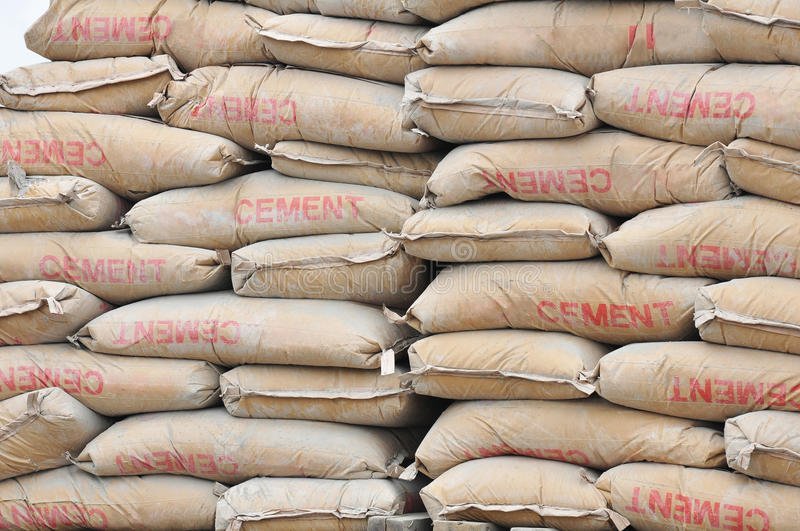
Stakeholders have expressed concerns over the increasing cost of cement and the effect of its production on climate change.
They expressed worry over increasing cost of cement, which according to them, is stifling construction amidst mass housing deficits.
They sought an alternative in a bid to reduce and decarbonise the production by 40 percent.
Speaking at a stakeholders’ meeting organised by Society of Cement and Concrete Researchers in Nigeria (SCCRN) in conjunction with department of Civil and Environmental Engineering, University of Lagos (UNILAG), Lauret Grimmeissen, urged the Nigeria cement industry to adopt limestone calcined clay cement.
“There is a new product now that reduces the emission by 40 percent without affecting the quality of the cement itself.
“Nigeria is the largest producer in Africa. It’s extremely important to have a country like Nigeria adopting this cement. It is excellent for climate change and has the same durability and is not more expensive than existing cement
“So it has been proven, and now the reason why we came today is to share this experience with Nigeria,” he said.
The Chairman of the Cement Manufacturers Association of Nigeria (CMAN), Mohammed Lawal, stressed that the production of cement emits a lot of CO2, thereby causing environmental pollution.
The Chairman, represented by one of its members, Emmanuel Ilaboya, however, identified clinker as the major factor in the process of cement production that causes the emission of CO2, stressing the need for an alternative to reduce emissions.
“It’s not the cement itself that emits the CO2. It’s a product that you need to do before reaching the state of cement, which is clinker. Clinker comes from the calcination of limestone.”
“You have to calcine it at a very high temperature in the kilns, and this process emits CO2 because, in the limestone, you have carbon.
“So when you calcine the limestone, you free the carbon. When calcinating, it will mix with the oxygen, so C plus O2 equals CO2, and that’s the problem. It’s not the cement process. It’s the clinker,” he said.
Prof. Kolawole Olonode, Department of Civil and Environmental Engineering, University of Lagos (UNILAG), stressed that the hike in cost of cements has contributed to increasing cost of accommodation, saying when it is reduced, there would be affordable houses.
“So if the cost of cement is reduced, definitely the cost of construction will reduce and there will be more affordable housing for people, for middle and low income earners who will be able to use cement,” he said.