
Centre laments inadequate basic amenities for Abuja natives
Dr. Ibrahim M. Zikirullahi, Executive Director of the Resource Centre for Human Rights & Civic Education (CHRICED, has urged the government to provide essential infrastructure and other interventions in communities occupied by the indigenous people of Abuja, otherwise known as Original Inhabitants (OIs). The call was made on Monday at the 18th Session of the […]
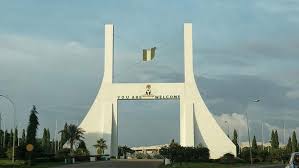
FCT
Dr. Ibrahim M. Zikirullahi, Executive Director of the Resource Centre for Human Rights & Civic Education (CHRICED, has urged the government to provide essential infrastructure and other interventions in communities occupied by the indigenous people of Abuja, otherwise known as Original Inhabitants (OIs).
The call was made on Monday at the 18th Session of the Expert Mechanism on the Rights of Indigenous Peoples Palais des Nations, Geneva, Switzerland
Zikirullahi said over two million indigenous people of FCT, representing nine tribes and seventeen chiefdoms—face systematic exclusion, land dispossession, political disenfranchisement, and cultural erasure.
He said without urgent and decisive action, these communities risk extinction.
“The roots of their suffering trace back to Military Decree No. 6 of 1976, which forcefully appropriated their ancestral lands to establish Nigeria’s new capital. Since then, successive governments have failed to provide compensation, resettlement, or legal recognition. Not even Supreme Court judgments affirming their rights have moved the Nigerian state to honour its obligations.
“In addition to the systemic marginalization faced by Abuja’s Original Inhabitants (OIs), We underscores the critical importance of data sovereignty and the right to data as a cornerstone of Indigenous Peoples’ self-determination and development.
“Despite the existence of research by bodies such as UNESCO and UNICEF affirming the presence and identity of Indigenous Peoples in the FCT, the Nigerian government has failed to collect, disaggregate, and utilize this data to inform inclusive policies. This omission perpetuates invisibility and exclusion in national development planning, budgeting, and service delivery,” he said.
He listed the consequences of the neglect to include: “Abuja indigenous communities lack basic amenities—functional healthcare, quality education, clean water, sanitation, and infrastructure.
“Their traditional livelihoods—farming, fishing, hunting, and craftsmanship—are endangered by unchecked urban sprawl and ecological degradation.
“Politically, they are denied fundamental rights. The indigenous people of Abuja cannot elect a governor or state legislature, rendering them stateless in their homeland.
“These injustices contravene both Nigeria’s constitutional guarantees and its obligations under international human rights law—particularly the United Nations Declaration on the Rights of Indigenous Peoples (UNDRIP), which enshrines the rights to self-determination, cultural preservation, and land ownership.”
CHRICED, therefore, called on all relevant stakeholders to hold the Nigerian government accountable.