
Climate Change in 2026: Note of warning
The year 2026 has dawned with powerful and unsettling reminders that climate change is no longer a future threat but a present and escalating crisis. Across continents, nature has announced its distress in dramatic and destructive ways. Europe has been paralysed by unusually heavy snowfall, the Americas by torrential rains and floods, Latin America by […]
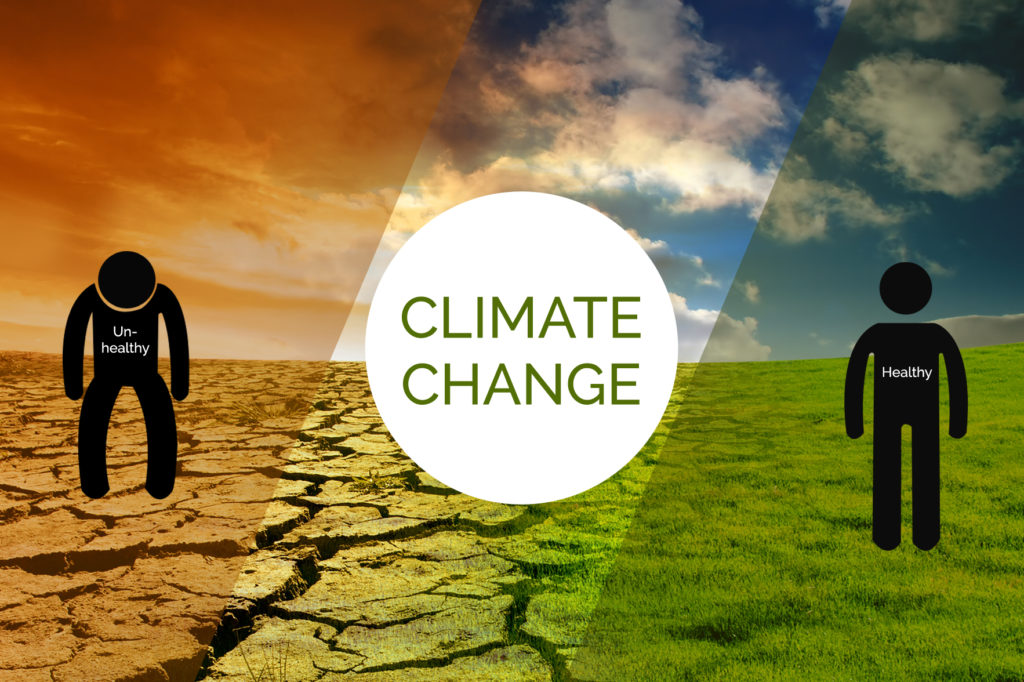
Climate change
The year 2026 has dawned with powerful and unsettling reminders that climate change is no longer a future threat but a present and escalating crisis. Across continents, nature has announced its distress in dramatic and destructive ways. Europe has been paralysed by unusually heavy snowfall, the Americas by torrential rains and floods, Latin America by increasingly violent hurricanes, Asia by earthquakes and volcanic eruptions, while West Africa — including Nigeria recorded one of its warmest Decembers in history. Together, these events form a global warning signal that humanity can no longer afford to ignore.
These disasters are not isolated or coincidental. They are symptoms of a planet whose climate systems are being pushed beyond natural limits. Global warming does not mean uniform heat everywhere; rather, it fuels instability. As average temperatures rise, weather patterns become more erratic and extreme. This explains why Europe can experience record cold and snow at the same time that Africa struggles with unprecedented heat.
In Europe, disruptions in atmospheric circulation caused by rapid Arctic warming have weakened the polar vortex, allowing icy air to descend unusually far south. Cities were buried under snow, transport networks collapsed, and energy systems came under severe strain. These events are costly reminders that climate change magnifies extremes rather than eliminating them.
Across North and Central America, excessive rainfall triggered devastating floods, overwhelming rivers, dams, and urban drainage systems. Warmer air retains more moisture, leading to heavier downpours over shorter periods. Homes, farms, and infrastructure were washed away, displacing millions and imposing enormous economic losses. Floods that were once considered “rare” are now recurring with alarming frequency.
Latin America entered 2026 reeling from destructive hurricanes powered by unusually warm ocean temperatures. Climate change has transformed hurricanes into stronger, wetter, and more unpredictable systems. For countries already grappling with poverty and fragile infrastructure, each storm erodes development gains and deepens vulnerability.
Asia’s earthquakes and volcanic eruptions further highlight the complex links between climate and geological systems. While tectonic forces drive such events, emerging evidence suggests that climate-induced changes such as glacier melt and sea-level rise can alter stress patterns in the Earth’s crust. In densely populated regions, this interaction increases risks and complicates disaster preparedness.
For Nigeria and much of West Africa, however, the most immediate warning came in the form of extreme heat. December 2025 defied expectations. Instead of the cooler Harmattan season, temperatures remained unusually high. This anomaly has serious implications. Heat stress affects human health, reduces labour productivity, disrupts crop cycles, worsens water scarcity, and intensifies desertification. In a country where agriculture employs a large proportion of the population, such climatic shifts threaten food security and rural livelihoods.
Nigeria’s climate vulnerability is already well documented. Rising temperatures in the north accelerate desert encroachment, shrinking arable land and grazing areas. In the Middle Belt, unpredictable rainfall patterns undermine farming calendars, increasing the risk of crop failure and fuelling tensions between farmers and pastoralists. In the south, coastal erosion, flooding, and saltwater intrusion endanger communities in the Niger Delta and other low-lying areas. Urban flooding in cities like Lagos, Ibadan, and Port Harcourt has become almost annual, exposing the high cost of poor planning combined with climate stress.
Environmental degradation within Nigeria is worsening these impacts. Deforestation, unchecked sand mining, gas flaring, bush burning, and poor waste management have weakened natural buffers that once absorbed climate shocks. Forests that regulate rainfall and temperature are disappearing, wetlands that absorb floodwaters are being reclaimed, and urban waterways are clogged with refuse. Climate change amplifies these human-induced vulnerabilities, turning manageable environmental problems into disasters.
Arresting further environmental degradation in Nigeria, therefore, requires deliberate and coordinated action. First, environmental governance must be strengthened. Existing laws on deforestation, mining, pollution, and land use must be enforced consistently, not selectively. Environmental impact assessments should be treated as serious planning tools, not mere formalities.
Second, Nigeria must invest aggressively in climate-smart agriculture. This includes drought-resistant crop varieties, efficient irrigation systems, rangeland restoration, and improved livestock management. Supporting farmers and pastoralists to adapt to changing conditions will reduce food insecurity and climate-induced conflicts.
Third, reforestation and ecosystem restoration should be elevated to national priorities. Tree planting must move beyond ceremonial exercises to sustained, community-driven programmes that restore degraded lands, protect watersheds, and create green jobs for youth. Mangrove restoration in coastal areas is especially critical for flood control and carbon sequestration.
Fourth, urban planning must adapt to climate realities. Drainage systems need upgrading, wetlands must be protected, and building regulations enforced. Waste management reform is no longer optional; blocked waterways directly translate into flooded neighbourhoods during heavy rains.
Fifth, Nigeria must accelerate its transition to cleaner energy. Reducing reliance on fossil fuels, cutting gas flaring, and expanding renewable energy will not only lower emissions but also improve public health and energy access. Climate action and development are not mutually exclusive; they can and must reinforce each other.
The events that ushered in 2026 are stark reminders that climate change is a global crisis with local consequences. For Nigeria, the cost of inaction is already evident in lost livelihoods, rising insecurity, health challenges, and environmental decline. The choice before us is clear. We can continue on a path of degradation and emergency response, or we can act decisively to protect our environment, strengthen resilience, and safeguard the future.
Nature has delivered its warning. Whether 2026 becomes another chapter of catastrophe or a turning point for collective action depends on the decisions we make now.
Ahmad resides at FMA2, off Yaya Abubakar Road, Fadamar Mada, Bauchi