
Climate Change is Unraveling Nigerian Democracy – Here’s How We Fix It
Nigeria is in the middle of two crises that feed each other. One makes headlines every election cycle. The other moves silently, eroding farms, displacing families, and turning neighbors into rivals over dwindling resources. Climate change is no longer an environmental issue in Nigeria. It is a democracy issue. It is a national security issue. […]
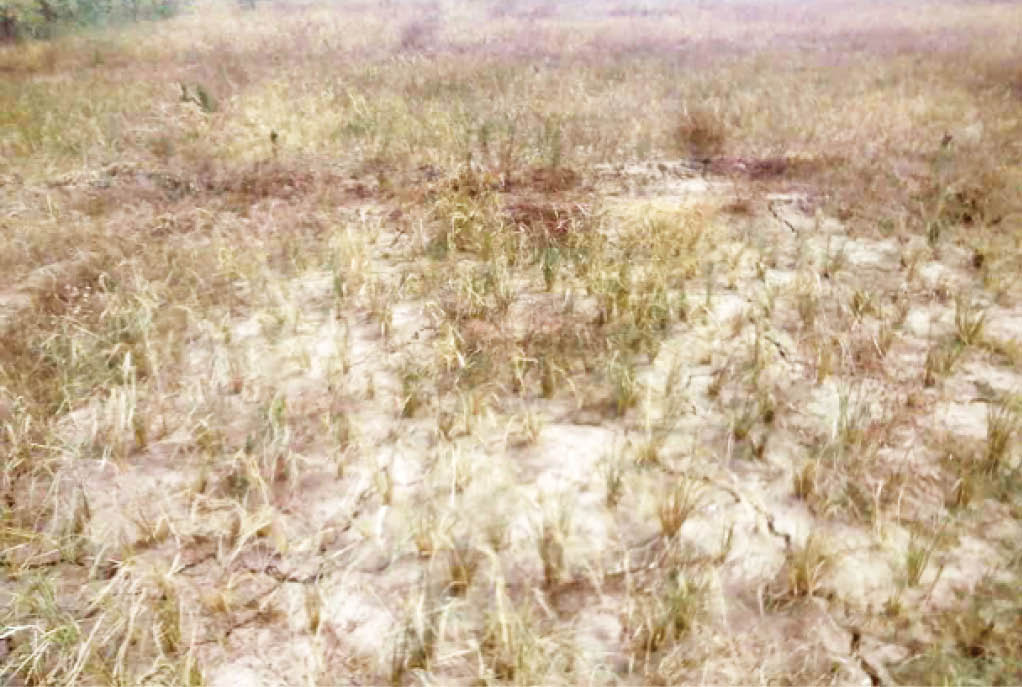
Effects of climate change on a farm
Nigeria is in the middle of two crises that feed each other. One makes headlines every election cycle. The other moves silently, eroding farms, displacing families, and turning neighbors into rivals over dwindling resources.
Climate change is no longer an environmental issue in Nigeria. It is a democracy issue. It is a national security issue. And if we don’t treat it as both, we will keep paying for it in lost lives, lost votes, and lost trust in the state.
At IEVASILLS – Initiative for the Eradication of Violence and Social Ills, we work in communities where the climate crisis has already arrived. What we see is simple: when the rains fail, when floods wash away homes, and when the land can no longer feed families, violence follows. And when violence takes root, democracy weakens.
### How Climate Change Threatens Nigerian Democracy
1. It fuels conflict over scarce resources
In the Middle Belt and parts of the North, changing rainfall patterns and desertification have shrunk grazing land and farmland. The result is the farmer-herder conflict that has killed thousands and displaced hundreds of thousands. When communities feel the state has abandoned them, they turn to self-help and armed groups. Free and fair elections cannot thrive in a climate of fear.
2. It deepens inequality and voter apathy
Floods in Bayelsa, Kogi, and Anambra in 2012 and 2022 cut oil production by up to 500,000 barrels per day and displaced millions. But the worst hit were rural communities with no insurance, no early warning, and no voice in policy. When people lose everything and see no response from government, they stop believing their vote matters.
3. It creates openings for extremism
Where state presence is weak and livelihoods collapse, extremist groups recruit easily. Climate stress does not create terrorism alone, but it removes the economic alternatives that keep young people out of it. A democracy cannot survive if its youth see no future within it.
### This Is Also a National Security Problem
The Nigerian military and security agencies are already stretched dealing with insurgency, banditry, and oil theft. Climate shocks multiply these burdens.
– Flooded roads delay troop movement and aid delivery.
– Displaced populations overwhelm already fragile local governments.
– Economic losses from climate events shrink the tax base needed to fund security.
In short, climate change is an “accelerant of instability.” The 2021 National Security Strategy recognized this, but recognition without funded action is just a statement.
### What Nigeria Must Do – And What IEVASILLS Is Doing
We cannot stop climate change in Nigeria alone. But we can stop letting it destroy our democracy. Here are 4 solutions that work, and that we are pushing for at the community level:
1. Fund Local Adaptation Through Direct Access
Global climate funds like the Green Climate Fund and Adaptation Fund have billions set aside for vulnerable countries. Nigeria needs to accredit more national institutions so money flows directly to states and communities, not just through Abuja.
At IEVASILLS, we are partnering with community leaders in Bayelsa and Delta to design locally-led flood resilience and livelihood projects. These projects work because communities design them.
2. Link Climate Action to Peacebuilding
Every climate project in conflict-prone areas must include a peace component. Restoring a mangrove or building a drainage system means little if farmer and herder communities are still at war over it.
IEVASILLS runs dialogue forums that bring both groups to the table before projects start. It reduces conflict and increases project success.
3. Protect the Right to Participate
Climate displacement disenfranchises people. If you are in an IDP camp, can you vote? If your village is cut off by flood for 3 months, can you organize?
We are advocating for INEC and state governments to include climate risk in election planning, and for civic education that reaches displaced communities.
4. Make Climate a Security Budget Item
The National Security Advisor and state governors should integrate climate risk into security planning and budgeting. Early warning systems, climate-resilient infrastructure, and support for climate-displaced families are cheaper than fighting wars later.
### A Call to Nigerians
Democracy dies not just at the ballot box. It dies when people lose faith that the system can protect them from hunger, displacement, and violence. Climate change is accelerating that loss of faith.
At IEVASILLS, we believe the fight for democracy and the fight for climate resilience are the same fight. We are ready to work with government, traditional rulers, youth groups, and the media to make sure no Nigerian community is left to face this alone.
We call on the National Assembly to pass stronger climate adaptation legislation with funding for community-led projects. We call on the Presidency to prioritize Direct Access to global climate finance. And we call on every Nigerian to see climate action as a defense of our democracy.
The climate will not wait for the next election cycle. Neither should we.
IEVASILLS is the Initiative for the Eradication of Violence and Social Ills