
Cocoa crisis: Why youths are abandoning Ondo’s golden crop
For decades, cocoa was the backbone of Nigeria’s economy and the pride of Ondo State, the country’s leading cocoa-producing state. The crop financed major infrastructure projects, including the iconic Cocoa House in Ibadan, once the tallest building in Nigeria. Today, however, stakeholders in the cocoa value chain are expressing concern over a steady decline in […]
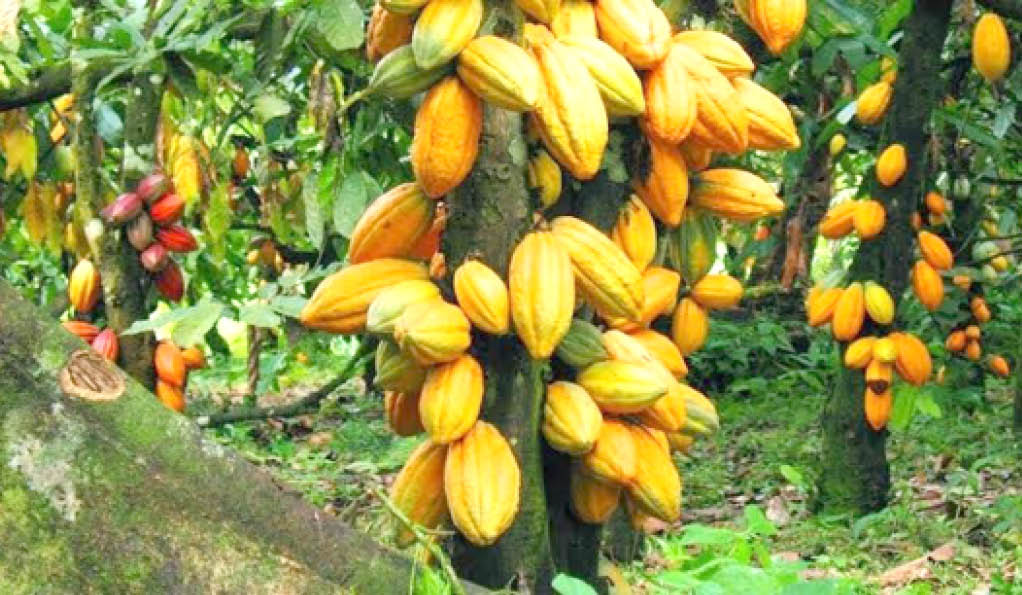
a cocoa farm
For decades, cocoa was the backbone of Nigeria’s economy and the pride of Ondo State, the country’s leading cocoa-producing state. The crop financed major infrastructure projects, including the iconic Cocoa House in Ibadan, once the tallest building in Nigeria.
Today, however, stakeholders in the cocoa value chain are expressing concern over a steady decline in production, driven by ageing farmers, old cocoa plantations, insecurity, rising production costs, and the growing disinterest of young people in agriculture.
Findings by Daily Trust revealed that many cocoa farmers in Ondo State are now elderly, while several cocoa plantations are decades old and producing far below their potential. As the older generation gradually exits farming, concerns are mounting over whether there are enough youths willing to take their place.
The national president of the Cocoa and Plantain Farmers Association of Nigeria (CPFAN), Ayodele Ojo, said cocoa production had been on a downward trend for decades.
“It is not only Ondo State that is affected. More than 13 states in Nigeria produce cocoa today. Since 1978, cocoa production has been moving backward rather than forward,” he said.
According to him, one of the biggest challenges facing the industry is the reluctance of young people to embrace farming.
“Young people today want quick money. They do not want to spend time working on farms. Farming requires patience; and many youths are not willing to wait for returns,” Ojo said.
He recalled that cocoa farming was once capable of transforming lives and building communities.
“During those years, cocoa money could build houses and support families because cost of living was lower. Today, things have changed,” he added.
Beyond the issue of youth participation, Ojo identified insecurity and labour shortages as major threats to cocoa production.
“Five years ago, I had more than five workers on my farm. Today, I cannot find workers. I personally work on my farm. I have nearly 20 hectares of cocoa and about 40 hectares of plantain, yet finding labour has become extremely difficult,” he lamented.
The CPFAN president also called for the establishment of a functional cocoa board similar to those operating in Ghana and Côte d’Ivoire.
“The government should establish a proper cocoa board and buy cocoa directly from farmers. One of the biggest challenges is the government’s neglect. Today, no active board or committee is regulating and supporting cocoa production in Nigeria,” he said.
He further accused some government officials of politicising agricultural interventions.
“When funds are released for farm chemicals or other support, some people divert or sell the products instead of ensuring that farmers benefit from them,” he alleged.
The Ondo State Commissioner for Agriculture and Forestry, Olaleye Akinola, an engineer, acknowledged the decline in cocoa output and attributed it to several factors, including urbanisation, aging plantations, climate change and poor agricultural practices.
According to him, records show that Ondo State previously graded nearly 350,000 metric tonnes of cocoa annually, but current figures have dropped significantly.
“More recently, we graded about 80,000 metric tones; and last year, we graded about 77,000 metric tonnes,” he said.
Akinola explained that many cocoa farms located near expanding urban centres had been converted for residential and commercial development.
“Where you have physical developments and buildings today used to be cocoa farms. Population growth and urbanisation have reduced the land available for cocoa cultivation,” he noted.
The commissioner also pointed to the advanced age of many cocoa plantations. “There are cocoa farms that are as old as 50 or 60 years. You don’t expect such farms to produce optimally. The age of our cocoa farms is one of the reasons for declining productivity,” he explained.
He further identified inadequate access to information, poor farm management practices and climate change as additional factors affecting production.
“Climate change has altered weather patterns and reduced the effectiveness of some pesticides and fungicides that farmers used in the past. Excessive rainfall and changing climatic conditions affect cocoa productivity,” he said.
On efforts to reverse the trend, Akinola said the state government, through the Cocoa Revolution and Development Agency and development partners, was promoting climate-smart cocoa varieties and training farmers on modern cultivation techniques.
“We have trained many young people on raising climate-smart, high-yielding seedlings. We are encouraging youths to form clusters so they can benefit from government programmes and agricultural interventions,” he said.
The commissioner also noted that access to land remained a major challenge for young people interested in cocoa farming.
“Cocoa is a perennial crop and requires long-term investment. Unlike maize or cassava farming, a young person cannot easily access land for cocoa cultivation unless the land belongs to him. That is one reason many youths shy away from it,” he said.
However, some youths insist that lack of government support is the main factor discouraging them from entering the sector.