
Collapse of LG system putting pressure on National Assembly – Gbajabiamila
The Chief of Staff to President Bola Ahmed Tinubu and former Speaker of the House of Representatives, Femi Gbajabiamila, has raised alarm over the growing pressure on the National Assembly resulting from the collapse of local government administration across the country. Speaking on Tuesday at the opening ceremony of the 2025 National Assembly Open Week […]
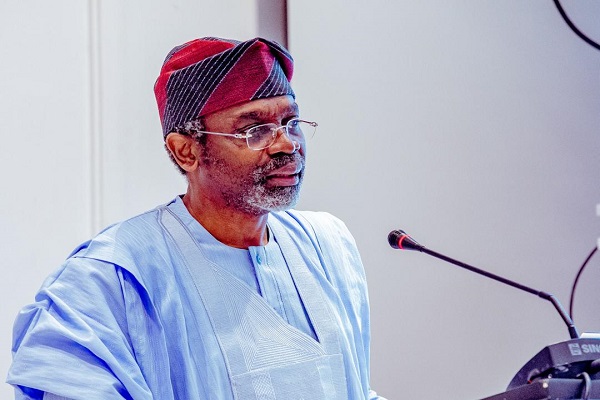
Femi Gbajabiamila
The Chief of Staff to President Bola Ahmed Tinubu and former Speaker of the House of Representatives, Femi Gbajabiamila, has raised alarm over the growing pressure on the National Assembly resulting from the collapse of local government administration across the country.
Speaking on Tuesday at the opening ceremony of the 2025 National Assembly Open Week organised by the House of Representatives in Abuja, Gbajabiamila said the dysfunction of the third tier of government has left federal lawmakers overwhelmed with demands that fall outside their constitutional mandate.
“The collapse of the local government system has created a situation where citizens now expect members of the legislature, particularly those in the National Assembly, to fill the gap in providing social services.
“A member of the House of Representatives who isn’t actively engaged in providing education and healthcare facilities, building roads, and delivering empowerment is not going to be a legislator for very long,” Gbajabiamila said.
- Opaque financial reporting in oil, gas sector fuels corruption – EFCC chair
- Nigeria is in crisis: Enough of politicians; where are the statesmen?
He described this reality as a “paradigm of dysfunction and resentment,” warning that it threatens to erode the integrity of the legislative arm and distract lawmakers from their core duties of lawmaking, oversight, and representation.
According to the former Speaker, the Constitution did not envisage legislators becoming service providers, nor did it allocate resources to them for such roles.
“Yet, political survival increasingly depends on fulfilling constituency demands that should rightly be the responsibility of local government councils,” he said.
Gbajabiamila argued that the legislature, unlike the executive, has no army to command, no direct control over the police, and no involvement in policy execution. “Even oversight is retroactive,” he said, noting that legislators can only review what has already been done.
He blamed part of the public misunderstanding of legislative roles on this structural failure, adding that media and civil society often question lawmakers over the lack of infrastructure and services in their constituencies, while overlooking the constraints they face.
“The appropriations process remains the only tool legislators can use to respond to these expectations; yet, it is this very process that is often criticised by the same public that demands those interventions,” he said.
Gbajabiamila commended President Tinubu’s renewed effort to revive and strengthen local government administration through proper funding, autonomy and accountability.
He described this as crucial to allowing legislators to focus on their primary constitutional responsibilities.
“When local governments have the resources and independence to function as the constitution intended, then legislators are freed to legislate, develop policy, advocate for the greater good, and hold the executive to account,” he said.
He urged a national conversation on the future of legislative responsibilities, especially if lawmakers must continue to provide social services in their constituencies.
“Perhaps it is time to reflect that role in the constitution and ensure resources are made available in a structured, transparent, and accountable manner,” he proposed.
Gbajabiamila argued that Nigeria’s democracy can only grow if the legislature is allowed to function as a strong, independent arm of government.