
CPC Designation: Engage US-based Nigerians, name Ambassador to UN, Akande urges FG
Former presidential aide and veteran journalist Laolu Akande has called on the Federal Government to urgently restore structured engagement with Nigerians living in the United States, especially those with strong influence and networks within American society and politics, following Nigeria’s designation as a Country of Particular Concern (CPC) by US authorities. Speaking during the My […]
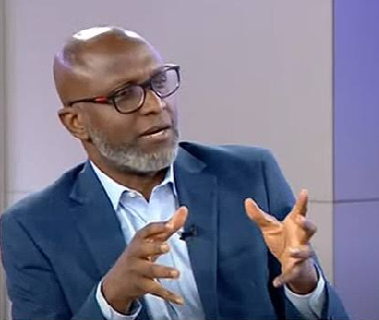
Former presidential aide and veteran journalist Laolu Akande has called on the Federal Government to urgently restore structured engagement with Nigerians living in the United States, especially those with strong influence and networks within American society and politics, following Nigeria’s designation as a Country of Particular Concern (CPC) by US authorities.
Speaking during the My Take segment of Inside Sources with Laolu Akande on Channels Television on Sunday, Akande argued that distancing diaspora voices at a sensitive diplomatic moment could worsen Nigeria’s standing and reduce opportunities for constructive dialogue with US policymakers.
According to him, the government should prioritize collaboration with patriotic diaspora actors to help shape a more balanced narrative about Nigeria.
He said: “FG should restore the engagement based on Nigerians in the US and try to find a common ground with those patriotic among them and present a common front to the Americans.”
Akande warned that continued disengagement from diaspora stakeholders with deep roots in US institutions could carry negative diplomatic consequences.
He stated: “For the federal government to continue to isolate those US based Nigerians, especially those with deep roots in US society and politics, is to continue to encourage further critical outcomes from the US after the government designated Nigeria as a Country of Particular Concern.”
Akande also used the opportunity to stress the importance of strengthening Nigeria’s diplomatic representation in Washington, noting that the absence of a confirmed ambassador reduces the country’s ability to manage sensitive moments more effectively.
He said: “It is true that our own ambassador in Washington that if if we had one would have made this thing more dignified manner possibly even better than what the lobbyists may have done.”
He suggested that a properly empowered diplomatic presence could help manage perception, lobbying efforts, and official communication channels more credibly during periods of policy tension.
Commenting on the recent public recognition of Nigeria’s First Lady, Oluremi Tinubu, by US President Donald Trump during a US national prayer event, Akande described the moment as beneficial for Nigeria’s image.
He said: “But the light that was shown on the First Lady of Nigeria [Oluremi Tinubu by the US president Donald Trump during the 74th National Prayer event] is a net positive for us as a country.”
However, he criticized the controversy that followed a social media post from her media team, saying it created an unnecessary distraction.
Akande faulted the First Lady’s media advisers for making a Facebook post suggesting that Nigerians at home do not respect their leaders, describing the reaction as avoidable and counterproductive — especially after President Trump had publicly described her as a respected woman and pastor in the Redeemed Christian Church of God.
He said: “I would have wished that the media advisers of the First Lady should not have made that post on Facebook saying that Nigerians at home don’t respect their leaders. This was after Trump had referenced that our First Lady is a very respected woman and a pastor of the RCCG. It’s a useless controversy. It serves no useful purpose at all. It’s picking a useless fight.”
Drawing a comparison with presidential media strategy, Akande added: “Don’t you guys see how the president himself see those who deride him on social media? By ignoring them.”