
CSOs, Opposition Actors Warn of Rising Political Violence
A coalition of civil society organisations and opposition political actors under the aegis of the Pan-Nigeria Civil Society Organisations and Opposition Alliance has raised concerns over increasing political violence and internal disarray within opposition ranks ahead of the 2027 general elections. This was contained in a communiqué issued at the end of a one-day strategic […]
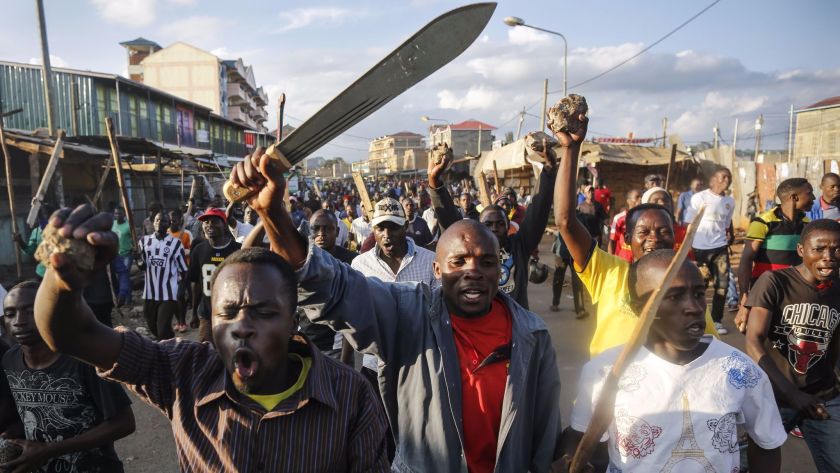
FILE PHOTO: Election violence
A coalition of civil society organisations and opposition political actors under the aegis of the Pan-Nigeria Civil Society Organisations and Opposition Alliance has raised concerns over increasing political violence and internal disarray within opposition ranks ahead of the 2027 general elections.
This was contained in a communiqué issued at the end of a one-day strategic stakeholders’ meeting held in Abuja on April 20, 2026, where participants reviewed Nigeria’s current socio-political climate and electoral outlook.
In the communiqué, the group condemned what it described as a resurgence of politically motivated violence, noting that such incidents tend to escalate during election periods. It warned that terrorism and banditry in the country are increasingly linked to political interests and external forces seeking to exploit Nigeria’s resources.
The forum called for collective national action in addressing insecurity, urging citizens, particularly wealthy individuals, to support the military and victims of conflict through funding and humanitarian initiatives. It also emphasized the need for timely intelligence sharing to prevent attacks and reduce loss of lives and property.
On the political front, the coalition stressed the importance of a strong and united opposition in sustaining democracy but expressed concern over fragmentation among opposition parties.
It noted that many political parties are operating independently rather than presenting a united front, weakening their chances in future elections.
The group further warned that the failure to adopt a zoning arrangement for the presidential ticket—particularly to the South—could trigger internal crises similar to those experienced by the People’s Democratic Party in 2022.
According to the communiqué, ongoing internal disputes and competing ambitions among aspirants risk undermining the opposition’s credibility.
It also criticized the opposition coalition for what it described as a lack of foresight, poor grassroots mobilisation, and inability to articulate clear policy alternatives to Nigerians.
Despite acknowledging persistent national challenges in security, the economy, and ethno-religious relations, the forum stated that the current weakness within the opposition may leave Nigerians with little choice but to support the incumbent administration.
The communiqué added that the coalition would, at the conclusion of its consultations, unveil its preferred candidates at a forthcoming national convention involving over 500 political, civil society, and faith-based organisations.
It identified President Bola Ahmed Tinubu as its primary focus going forward.
The communiqué was signed by several civil society and political figures, including Comrade Mohammed Abdulrazaq Sanni, Fatima Abbas, Barrister Igwe Benjamin, and Comrade Mark Adebayo, among others.