
Dangote rallies private sector in fight against malaria
Alhaji Aliko Dangote, Africa’s richest businessman and chairman of the Nigeria End Malaria Council, has called on the private sector to partner with governments in the fight against malaria, pledging new investments to strengthen supply chains and logistics. Speaking at a high-level meeting on malaria elimination in Abuja with the theme: “Harnessing Africa’s Central Role […]
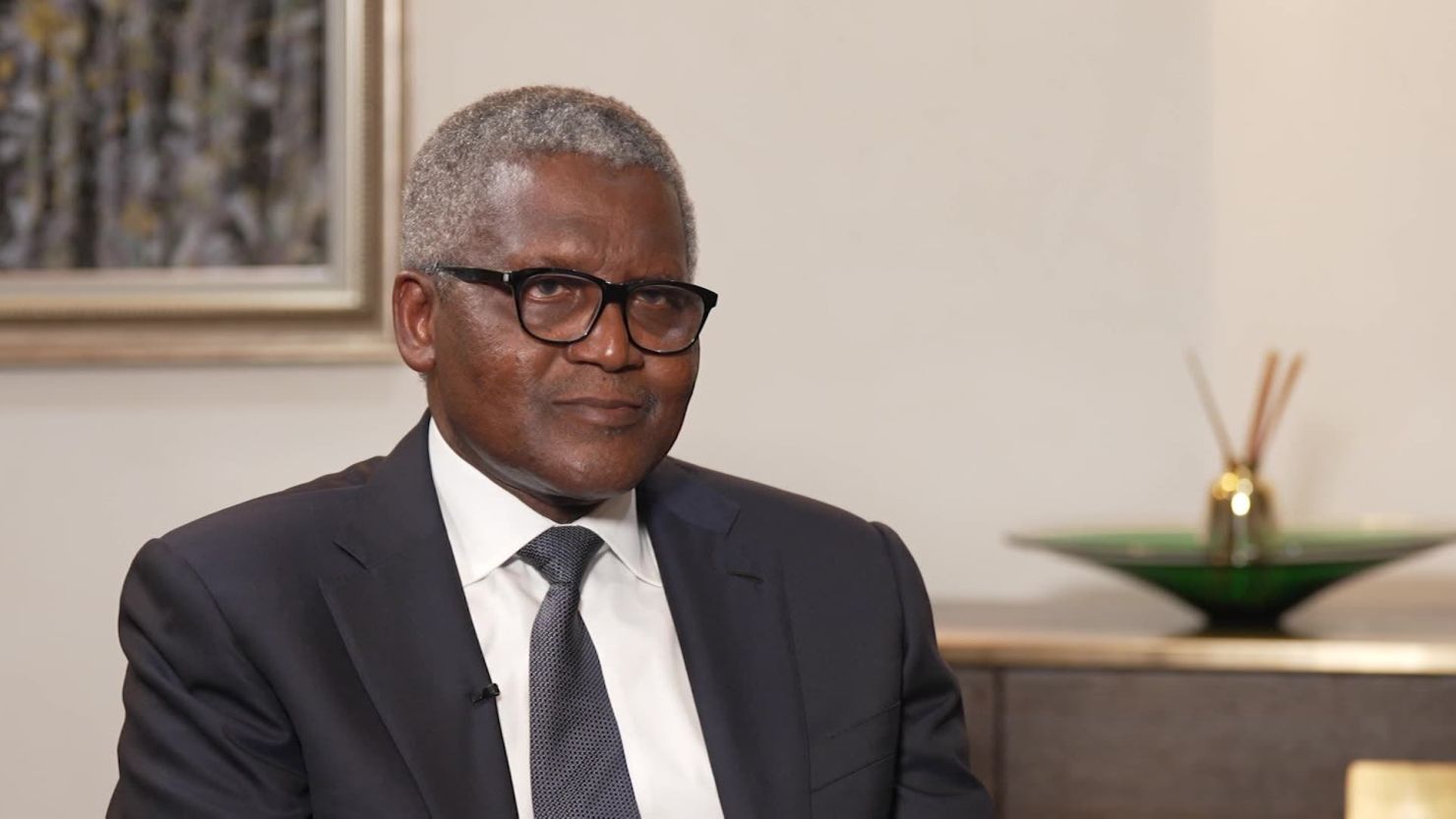
dangote
Alhaji Aliko Dangote, Africa’s richest businessman and chairman of the Nigeria End Malaria Council, has called on the private sector to partner with governments in the fight against malaria, pledging new investments to strengthen supply chains and logistics.
Speaking at a high-level meeting on malaria elimination in Abuja with the theme: “Harnessing Africa’s Central Role for the Big Push Against Malaria,” Dangote said businesses could no longer remain on the sidelines.
- Alleged blasphemy: C’ttee begins hearing on petitions against Cleric in Kano
- Heavy shake-up at Dangote Refinery amid rift with oil unions
The event was organised by the National Malaria Elimination Programme (NMEP) of the Federal Ministry of Health, in collaboration with partners such as African Leaders Malaria Alliance (ALMA) and the RBM Partnership to End Malaria.
Dangote, who was represented by his chief of staff, Ibrahim Adamu, said defeating the disease required bold, unified action that goes beyond government and development partners.
“For too long, malaria has taken a devastating toll on our people, particularly our children, pregnant women and vulnerable communities. But we are not powerless. Malaria is preventable, treatable and ultimately, stoppable. The time to act decisively is now,” Dangote said.
He noted that while Nigeria has made progress in reducing malaria cases, the country still bears one of the highest burdens globally, with the disease continuing to drain lives, productivity and economic potential.
“Ending malaria is not only a health priority but also a development and economic imperative. A malaria-free Africa means stronger economies, healthier populations and empowered future generations. Every dollar we invest in malaria control brings exponential returns: in lives saved, communities strengthened and futures secured.
“Through the Nigeria End Malaria Council and other national platforms, we are demonstrating that with strong leadership, coordinated effort and community ownership, malaria can be defeated,” he said, urging business leaders to see malaria elimination as an investment in human capital and economic stability.
The Dangote Group announced that it would dedicate its corporate social responsibility budgets and resources to malaria control efforts in the country.
The Abuja meeting, which brought together ministers, lawmakers, the civil society, private sector leaders and global partners, was described as a turning point for African-led solutions in malaria elimination.
The coordinating Minister of Health, Professor Muhammad Ali Pate, underscored the importance of national ownership, saying, “Malaria is our problem. If we own it, then we must find our own solutions,” stressing domestic resource mobilisation and local manufacturing.
Calling for sustainable financing, Professor Pate pointed to ongoing reforms to expand Nigeria’s fiscal space, including new tax measures that could channel resources to health. He argued that malaria should not be treated as a stand-alone issue but addressed within the broader context of strengthening health systems.
Dr Nnenna Ogbulafor, the national coordinator of the National Malaria Elimination Programme, said the Abuja gathering showed that Africa’s private sector was no longer just a supporter but a driver of malaria elimination.
“The Big Push has demonstrated Africa’s leadership and resolve to take ownership of the fight against malaria,” she said.
The chief executive officer of RBM Partnership, Dr Michael Adekunle Charles, emphasised that the fight against malaria must now be country-led, with domestic financing, sustainable investment and innovation at its core.
He highlighted Nigeria’s leadership in hosting the meeting, praising the coordinating minister of health and social welfare for championing a country-driven approach.
“We have relied too heavily on external actors for too long. Nigeria has had a malaria programme even before independence, yet it accounts for about a third of the global malaria burden. That tells us that something has to change,” he noted.
He urged African countries to take ownership of the fight, stressing that malaria is primarily an African problem, with 90 per cent of global cases and deaths occurring on the continent.
The chairman of the House of Representatives Committee on AIDS, Tuberculosis and Malaria, Godwin Amobi Ogar, pledged legislative backing, including health levies and a dedicated malaria budget line.
The Global Fund at the event announced $500 million support for Nigeria, targeting seasonal malaria chemoprevention for 18 million children and procurement of local antimalarials from 2024 to 2026.