
Dangote Refinery shields Nigerians from global price shock, says S&P
Dangote Petroleum Refinery has continued to shield Nigerian consumers from the impact of rising global fuel prices by maintaining stable domestic petroleum prices despite increasing international gasoline costs, higher freight rates and tightening global supply conditions, according to the latest market intelligence report by S&P Global Commodity Insights. The report said importers supplying the Nigerian […]
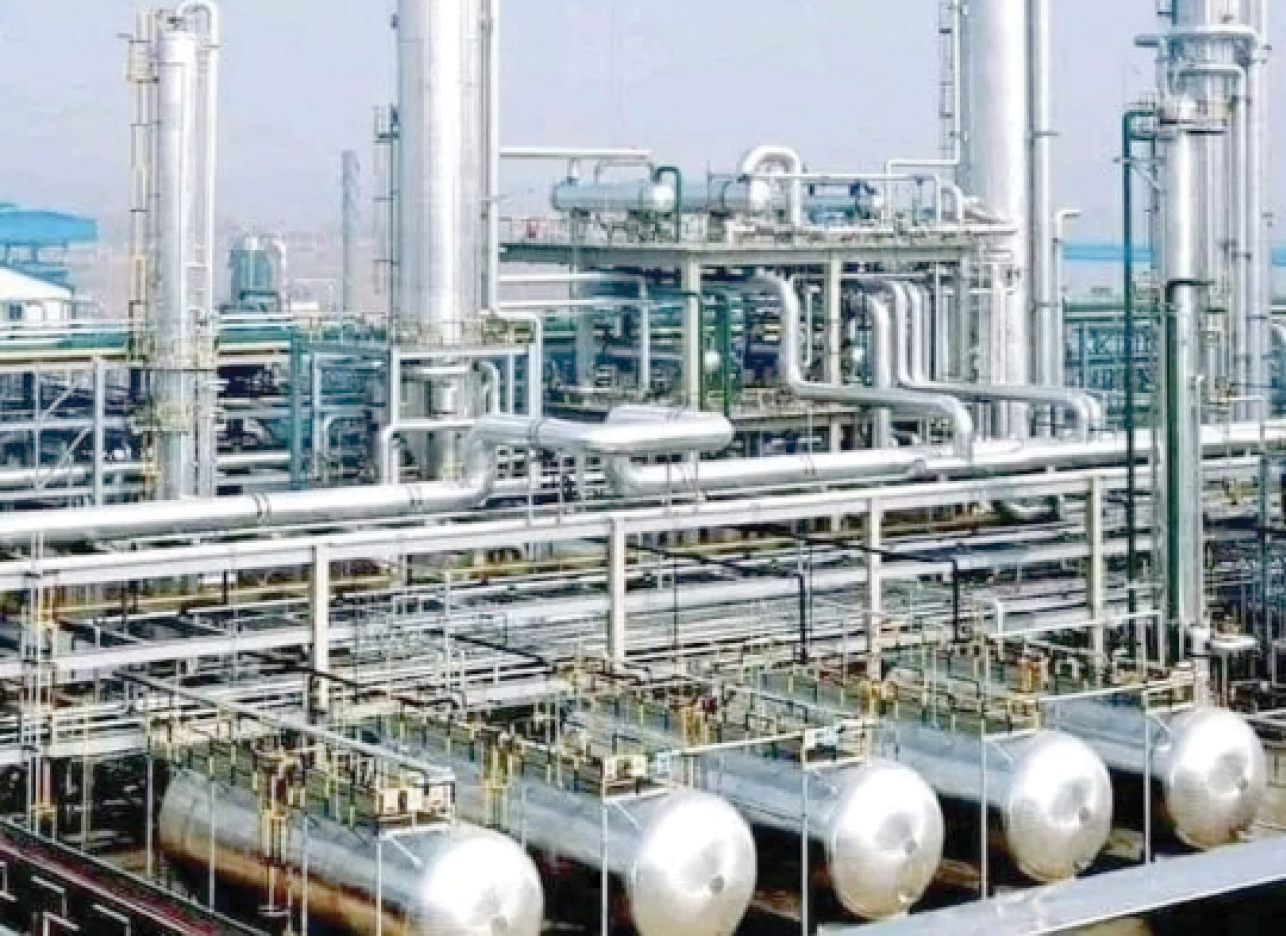
Dangote Refinery
Dangote Petroleum Refinery has continued to shield Nigerian consumers from the impact of rising global fuel prices by maintaining stable domestic petroleum prices despite increasing international gasoline costs, higher freight rates and tightening global supply conditions, according to the latest market intelligence report by S&P Global Commodity Insights.
The report said importers supplying the Nigerian market are becoming increasingly concerned over the sharp rise in international gasoline prices, driven by higher global product values and escalating shipping costs, which have significantly raised the cost of importing fuel into West Africa.
According to S&P Global Commodity Insights, market participants said domestic petrol prices in Nigeria are effectively being dictated by Dangote Refinery’s pricing, limiting the ability of fuel importers to pass rising international costs on to consumers.
The report quoted one trader as saying: “Gasoline prices in Nigeria are effectively being capped by Dangote prices.”
Another trader noted that while gasoline meeting Ghana’s product specifications currently commands higher premiums in the regional market, Nigerian specification cargoes remain less attractive because Dangote Refinery has maintained its coastal sales prices despite mounting international price pressures.
“Lomé values have risen above Dangote sales prices, which has shut the arbitrage,” the trader said, indicating that importing fuel into Nigeria has become commercially unattractive under current market conditions.
S&P Global attributed the increasing cost of fuel imports partly to rising freight rates, noting that the cost of transporting clean petroleum products from Northwest Europe to West Africa had climbed from $29.70 per metric tonne at the end of June to $37.12 per metric tonne, as vessels repositioned to serve alternative markets.
The report also pointed to tighter global diesel supplies following reduced exports of Russian Black Sea cargoes, a development that has pushed up prices of high-sulphur gasoil across West Africa and further increased the cost of petroleum imports.
Despite the challenging international market, Dangote Petroleum Refinery has continued to moderate domestic fuel prices.
Since the end of May, the refinery has reduced its ex-depot price of Premium Motor Spirit (PMS) by more than N200 per litre, Automotive Gas Oil (AGO), commonly known as diesel, by N300 per litre, and Jet A1 aviation fuel by N520 per litre, even though the crude oil used for refining was purchased when international prices were considerably higher than current levels.
The refinery has consistently maintained that its pricing reflects the actual cost of crude oil procurement rather than daily fluctuations in Brent crude prices. According to the company, crude oil is typically acquired weeks or months before refining under commercial contracts linked to monthly average pricing mechanisms.
Industry analysts said the latest S&P assessment reinforces the strategic importance of domestic refining in insulating Nigeria from external supply shocks and volatile international energy markets.
They noted that with global gasoline prices rising, freight charges increasing and fuel prices in regional trading hubs such as Lomé exceeding Dangote Refinery’s prices, Nigeria would likely have experienced significantly higher domestic pump prices if it still relied heavily on imported petroleum products.