
Declare state of emergency in power sector, CIPEN urges FG
The Chartered Institute of Power Engineers of Nigeria (CIPEN) has urged the federal government to declare a state of emergency in the power sector to bring an end to dismal power supply and other issues affecting the sector. Speaking during a press briefing, the President and Chairman in Council of CIPEN, Engr Israel Abraham, said […]
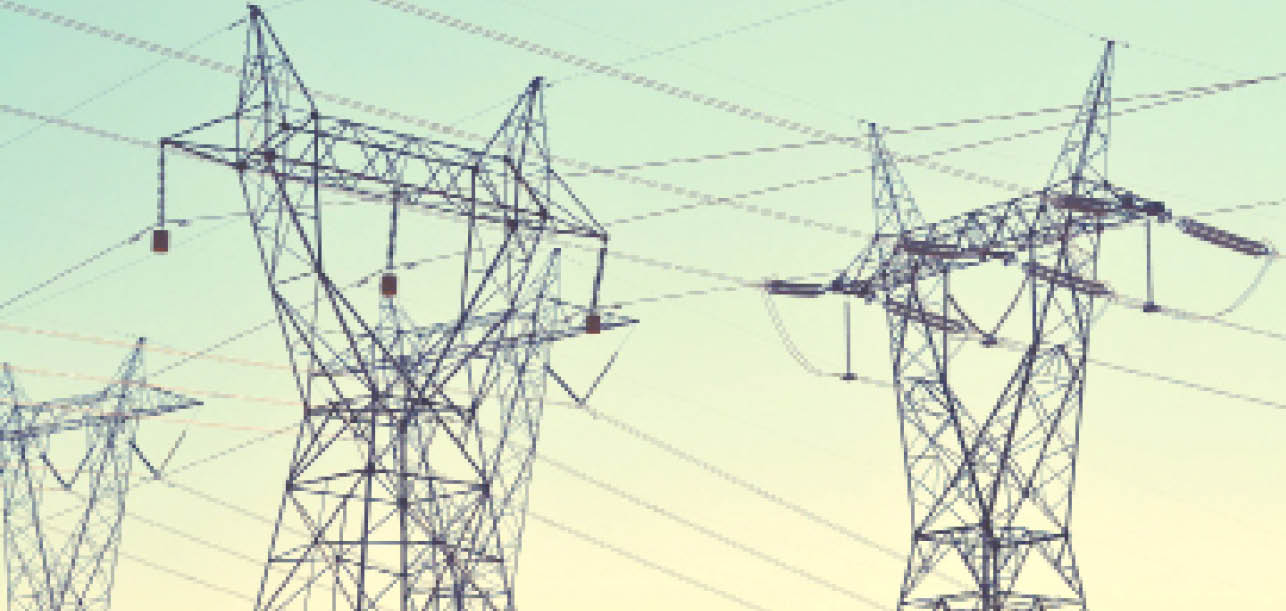
The Chartered Institute of Power Engineers of Nigeria (CIPEN) has urged the federal government to declare a state of emergency in the power sector to bring an end to dismal power supply and other issues affecting the sector.
Speaking during a press briefing, the President and Chairman in Council of CIPEN, Engr Israel Abraham, said there is a lack of political will by the government to ensure the sector works, adding that the appointment of a non-engineer as the minister of power shows the simmering issues in the sector would fester.
“As it stands right now, I’m not sure the government has put its priority right on power and wants to solve it immediately. If government wants to solve it, you will have, one, a state of emergency declared on that area; two, funds and everything will be mobilised towards that particular place.
“So political will is lacking because if you have the political will, it will be impossible for you to just appoint anybody, because you are looking for who will bail me out of this problem. But if you play politics with it, and you appoint anybody to satisfy people, you can’t get anything from them. So the political will is the greatest problem Nigerians face in the power sector.
On his part, the Vice President, Power Business, Engr. Ahmed Kaitafi, faulted the methodology that was adopted to make the recent hike in electricity tariff.
He however said with the sector privatised, the only way Nigerians can get adequate and reliable power is to invest in infrastructure.
“We have to invest in automation, we have to invest in personnel development. But where would this investment come from? We are privatised, we are expecting this investment to come from the private sector.
He added that if private individuals are to invest for the growth and development of the Nigerian electricity supply industry, a real tariff needs to be implemented.
“There is no country that does not subsidise services. No country in this world that does not subsidise services one way or the other. So when you introduce cost-effective tariff, you also introduce what we call targeted subsidy for the low-income earners.”