
Defections: Emulate What Tinubu did building Opposition from 2003 to 2015, Laolu Akande tells politicians
Former presidential aide and veteran journalist, Laolu Akande, has called on Nigerian politicians to emulate the steadfastness of President Bola Ahmed Tinubu, who remained committed to his party despite significant setbacks in the past. Speaking on Channels Television’s Sunrise Daily on Thursday, Akande criticized the growing trend of political defections driven by personal gain and […]
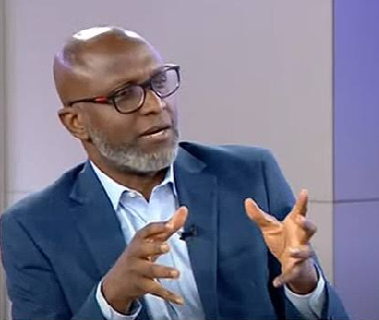
Former presidential aide and veteran journalist, Laolu Akande, has called on Nigerian politicians to emulate the steadfastness of President Bola Ahmed Tinubu, who remained committed to his party despite significant setbacks in the past.
Speaking on Channels Television’s Sunrise Daily on Thursday, Akande criticized the growing trend of political defections driven by personal gain and lack of ideological commitment.
Akande then pointed to the example of President Tinubu, who, he noted, stood firm with his party even when virtually all others abandoned ship.
“The man stood in opposition from 1999, and specifically in 2003, after all the other states in his party lost to the Obasanjo hurricane. He stood in one place for like 12 years until his party got to the centre,” Akande emphasized. “He had the means to defect, the resources to shift allegiances, but he chose to stay rooted and committed.”
“I’m concerned that the tone and content of our politics is becoming more and more about personal aggrandizement. That is worrying,” Akande stated.
He acknowledged that while politicians may pursue personal interests to some extent, public service should always be guided by the overarching need to serve the people.
Referencing the spate of defections among opposition politicians, Akande expressed dismay at what he described as a troubling reflection of how low Nigeria’s political culture has fallen.
“The way and manner that you are seeing this defection is just a troubling reflection of how low Nigerian politics has become,” he said.
Akande questioned why politicians today do not draw lessons from such resilience, especially when they operate in states with considerable resources. “There’s a lot of money in Delta State, you know. So I’m thinking, don’t they look at Tinubu? Don’t they get some lessons?” he queried.
He warned that the personalisation of politics and an overemphasis on survival strategies over governance had alienated the political class from the people. “Politics and governance ought to be about the transformation of people. The government exists to provide welfare and order – not to simply ensure the survival of officeholders,” he said. “When politicians prioritize holding on to power over delivering results, they disconnect from the very people they claim to serve.”
Akande also lamented the widening gap between Nigeria’s political elites and the citizens, arguing that many politicians do not truly believe that power resides with the people.
“It’s like Nigerian political elites are on one side, and the people are on the other. It also tells you that they don’t really believe that power comes from the people, because they know how to manipulate these things,” he said.
On a separate issue, Akande addressed the controversy surrounding the Joint Admissions and Matriculation Board (JAMB) following glitches in the recently released UTME results. He described the suicide of a candidate as “deeply saddening” and underscored the mental toll such systemic issues take on students.