
Defending Muslim women’s right to wear hijab
This year’s unified tertiary matriculation examination (UTME) organised by the Joint Admission and Matriculation Board (JAMB) was once again disrupted by attempts to prevent some female candidates wearing the hijab from sitting for the exam. The incident, which was captured on video and has since gone viral online showed a personnel of the Nigeria Security […]
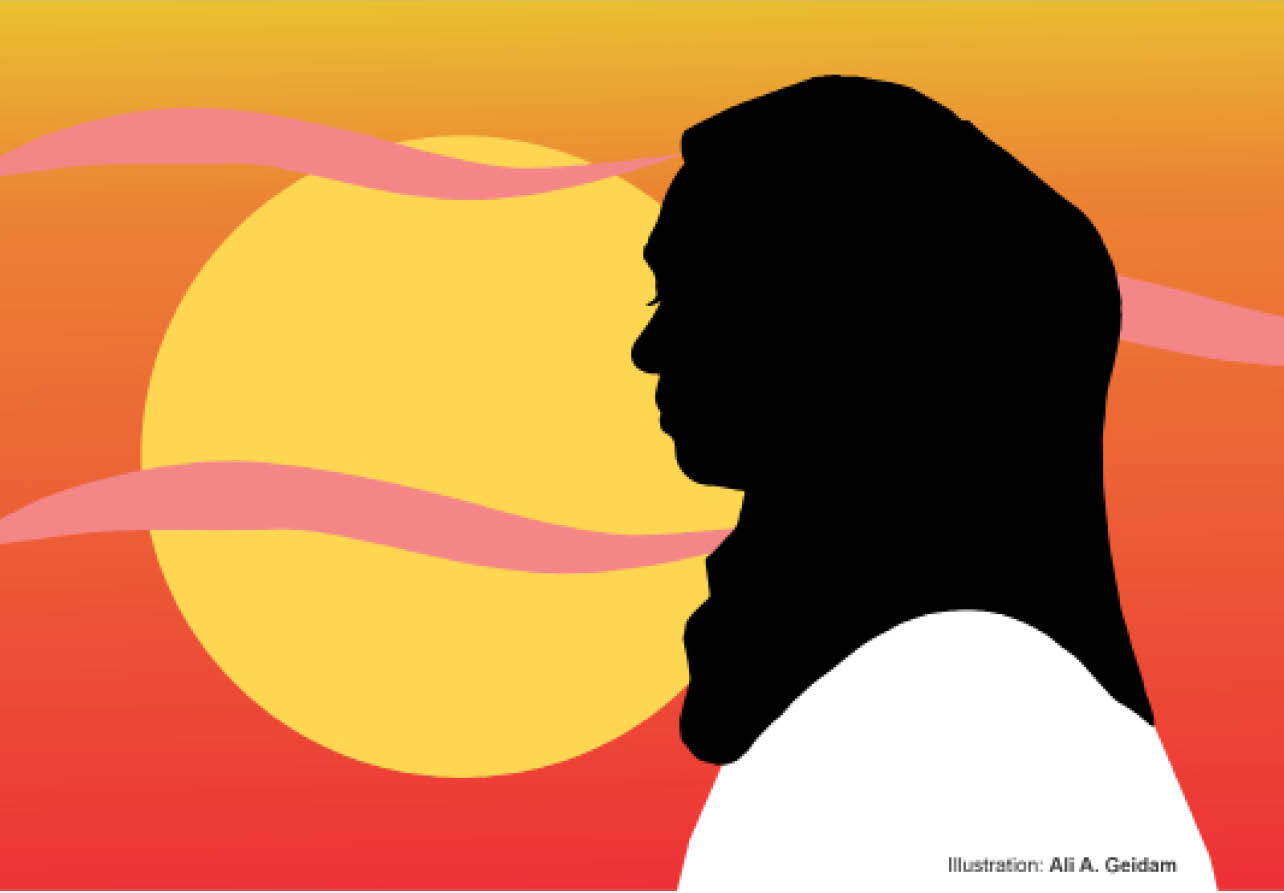
This year’s unified tertiary matriculation examination (UTME) organised by the Joint Admission and Matriculation Board (JAMB) was once again disrupted by attempts to prevent some female candidates wearing the hijab from sitting for the exam.
The incident, which was captured on video and has since gone viral online showed a personnel of the Nigeria Security and Civil Defence Corps (NSCDC) stationed at a JAMB CBT centre denying access to a female candidate wearing the hijab. As expected, the incident has drawn widespread condemnation and anger from Nigerian Muslims who demanded action against centres and security agents for discrimination.
Now, JAMB has consistently stated that it does not prohibit the wearing of hijab and that its guidelines demand that any search must be done with dignity and respect, therefore allowing candidates to retain their attire while undergoing necessary checks. The body had in February clarified that even at the point of registration, candidates are not required to remove their hijabs and stressed that what is required is that the two ears be visible during photo capture, an action which can be done without removing the hijab itself. But despite these clarifications, some security agents and ad hoc staff stationed at CBT centres continue to discriminate against female candidates in hijab, insisting that the guidelines require them to remove it.
The JAMB incident is not an isolated case but part of a broader, recurrent pattern of intolerance against women wearing the hijab in public spaces. The hijab is a headscarf used by many Muslim women as an expression of modesty, faith, and personal devotion. It is therefore unfortunate that this simple covering has now become enmeshed in a series of controversies globally even though it represents a woman’s right to dignity and choice which is not enforced upon others.
Discrimination against the hijab has moved from individuals with preconceived biases to structural discrimination where hijab wearers are discriminated against globally, ironically at a time when women’s rights have become a central focus of human rights discourse. No doubt, hostility toward the hijab reflects a deeper contradiction in Western narratives, which often frame it as a symbol of oppression rather than acknowledging it as a matter of personal choice.
In climes such as Nigeria, where almost every issue is tied to religion, the hijab is viewed by some as a symbol of dominance of one faith against the other and therefore has become difficult to be tolerated. But the hijab does not need to be tolerated by others, it just needs to be understood and respected from a position of a Muslim woman’s right to cover.
This matter was settled by the Supreme Court in 2021 when it ruled against a Lagos State Government ban on the use of hijab by Muslim students in government schools. The judgement stated that the ban had violated the Muslim students’ rights to freedom of thought, conscience, religion, the dignity of human persons and freedom from discrimination guaranteed by the 1999 Constitution.
This, therefore, means that a precedent has been set that Muslim women’s right to wear a hijab is a fundamental human right guaranteed by the constitution of the Federal Republic of Nigeria and therefore no one should directly or indirectly force them to remove it.
We urge Nigerians to stand together in defence of women’s right with the understanding that when women are discriminated against whether for the use of hijab or other things, it not only sends a message of stereotyping but directly violates their right to access whether it is in the educational environment or professional circles especially in the bar, law enforcement and health sector.
These controversies ultimately arise from a lack of religious tolerance and interfaith coexistence. As Nigerians, we must lean towards understanding and tolerance for one another. Our faith, whether as Christians or Muslims, forms a huge part of our identities and should be accepted, celebrated and respected. In spite of our differences, the country has so many striking examples that embody harmony across faiths, which we can all imbibe. Most notably is the historic First Baptist Church and the Nurudeen Society of Nigeria Mosque on Adebayo Street in Jos, Plateau State. These places of worship have stood side by side on the same land since 1911 and they not only symbolise the unity expected among adherents of both religions but also continue to serve as enduring monuments of tolerance and mutual respect.
We, therefore, urge Nigerians who are not Muslims to understand that for the Muslim woman, the hijab is not just a fashionable piece of clothing; it is a profound symbol of devotion to their Creator. This is why they will remain steadfast in defending their right to wear it.
We also call on the Nigerian government to take a hard stand on any government institution or official who attempts to ridicule, and discriminate against women wearing hijab in public spaces. Security agents must never be used as instruments of discrimination against anyone and even when institutions openly display their biases, security agencies representing state authority must stand firm in defence of basic human rights.
We commend JAMB for promptly condemning the overzealous CBT centres, and ensuring that hijab wearing candidates are respected and not excluded from the exam. We urge that the Board takes a harder stand on centres unwilling to accommodate Muslim candidates in hijab.