
Degrees alone can’t solve unemployment, youths need skills – Former transport minister
A former Minister of Transportation, Mu’azu Jaji Sambo, has raised concerns about the rapid growth of Nigeria’s youth population and the widening gap between education and employability, warning that without prioritising skills-based learning, the country risks a severe socio-economic crisis. Speaking at Impact Forum 2025, organised by Uwais Maiwada Aid Foundation (UMAF) in Abuja on […]
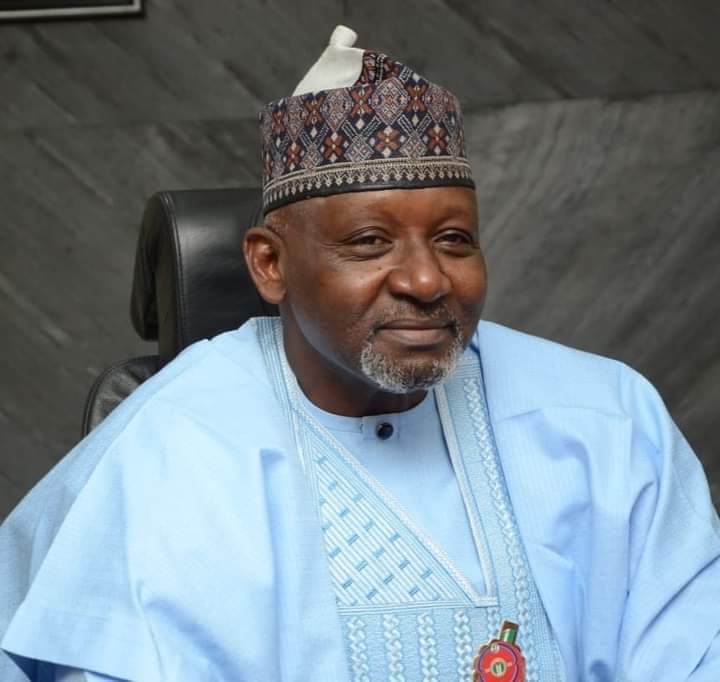
A former Minister of Transportation, Mu’azu Jaji Sambo
A former Minister of Transportation, Mu’azu Jaji Sambo, has raised concerns about the rapid growth of Nigeria’s youth population and the widening gap between education and employability, warning that without prioritising skills-based learning, the country risks a severe socio-economic crisis.
Speaking at Impact Forum 2025, organised by Uwais Maiwada Aid Foundation (UMAF) in Abuja on Monday, Sambo noted that with Nigeria projected to become the world’s third-most populous country, youth unemployment could worsen unless immediate reforms are made.
“Our economy grew by only 3.13% in the first quarter of this year. Yet we have more than 10% of our youth neither in school, nor in work, nor training. This is a ticking socioeconomic time bomb,” he said.
Sambo said Nigeria must reform its education system to merge theoretical knowledge with practical skills and entrepreneurship.
He called for curriculum re-engineering to embed competencies like digital literacy, artificial intelligence, and problem-solving directly into school programmes.
“Our educational system no longer matches the pace of 21st-century demands. Degrees provide the foundation, but it’s skills that drive execution,” he said.
To address the prestige gap between academic and vocational training, Sambo urged Nigerians to rethink the belief that traditional university education is the only respectable path to success.
He cited international examples of countries like Germany, South Korea, and Singapore, where technical and vocational institutions have dramatically reduced youth unemployment through hands-on, industry-linked education.
The former minister said there was a need to elevate the social value of vocational and technical skills.
“Our young people must find dignity and income in skills and craftsmanship, just as they do in certificates. Our current institutions are not yet delivering this vision. That must change,” he said.
Uwaia Abdullahi Maiwada, founder and executive director of the foundation, called for a shift in Nigeria’s education system to prioritise practical skill acquisition as a way to reduce youth unemployment.
He said the country’s current model is failing to equip young people with employable skills.
“Education is the bedrock of humanity, but we are not getting the right kind of education. We’re pushing for a system that incorporates skills so that students can not only find jobs after graduation but become job creators themselves,” Maiwada said.
He said many Nigerian students are eager to acquire technical skills but lack the financial support or infrastructure.
“Through advocacy and support programmes, UMAF is working to bridge that gap, including building school libraries and organising workshops to change the perception that only university degrees guarantee success,” he said.
A former Minister of State for Petroleum Resources, Timipre Sylva, highlighted the broader national implications of neglecting technical education and allowing millions of children to remain out of school.
“The number of out-of-school children keeps rising, driven by insecurity, poverty, and ignorance. This isn’t just a regional issue; it’s a Nigerian problem, and we must treat it as such,” Sylva said.
Sylva warned that the failure to address human capital development collectively could threaten national unity.