
Did ‘unknown gunmen’ kill Adamawa women protesters?
Two recent scenarios which played out within a span of 48 hours eloquently provide a sad commentary on the premium which the wider world sees Nigeria placing on human rights concerns. First was on Monday, December 8, 2025 when, according to several eyewitness accounts and reports in the media, a group of unarmed women protesters […]
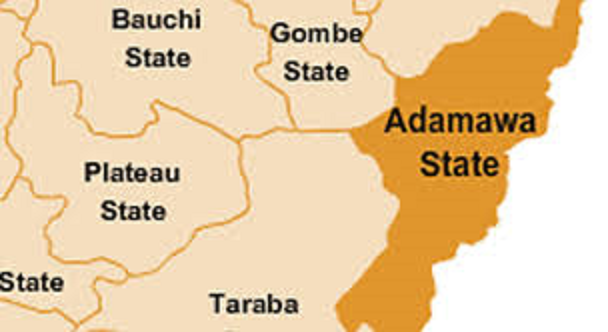
Two recent scenarios which played out within a span of 48 hours eloquently provide a sad commentary on the premium which the wider world sees Nigeria placing on human rights concerns. First was on Monday, December 8, 2025 when, according to several eyewitness accounts and reports in the media, a group of unarmed women protesters in Lamurde in Adamawa State, waving leaves and chanting their grudges, were gunned down in cold blood with a fusillade of bullets by men in military uniform.
The second scenario was just a day after, on Tuesday, December 9, 2025, which was the World Human Rights Day, when Nigeria joined the rest of the world to mark the day. A typical question that should haunt all Nigerians of good conscience is what was the country telling the world when just a day before the global staging of renewed attention on human rights, such a heinous crime was committed against innocent citizens – unarmed aggrieved women protesting and expecting to be heard. Instead, they were sent to their early graves.
According to several eyewitness accounts, a communal dispute had arisen between neighbouring Bachama and Chobo communities over which the women were protesting, and which snowballed into a perceived threat to vandalise the Lamurde Local Government Secretariat. This development apparently attracted the attention of the nearby military contingent, which successfully cleared its way through the protesting women and maintained a defensive position around the secretariat. That was when a fusillade of bullets ripped through the protesting women, and pandemonium ensued with them running helter-skelter. Incidentally, not all of the women survived the stampede as at least 9 of them reportedly died from gunshots, while another 10 sustained various degrees of injuries from bullets and other causes.
In the light of the not surprising deluge of outrage by members of the public in the country, and even on the global scene, stands the disturbing lack of clarity on the situation by the military contingent who were stationed at the location as the development occurred right in their presence. Granted that the various allusions by several accounts linking the military contingent with the outrage are false, their rules of engagement with any contingency across the country demands that such a development in Lamurde would not have taken place without their active involvement. So, what really happened is among the questions Nigerians are asking for answers to.
Incidentally, a twist that has accompanied the development is that while several accounts point to the soldiers at the location for the act, the military establishment has absolved its personnel from any such blame for the shooting, and rather ascribed the outrage to an unnamed local militia group. For instance, several eyewitness accounts hold the military accountable. The military’s stand that its personnel were not the culprits raises the most tenable reasoning that the act must have been by unknown gunmen. That contention leads to the disturbing consideration that it was actually such unknown gunmen who killed the protesting women in Lamurde Adamawa.
Incidentally, such a consideration remains riddled with inconsistencies in its course, given the advent of unknown gunmen in the country’s political and security space.
The term, unknown gunmen entered popular use in Nigeria with the upsurge in guerilla style attacks by masked, heavily armed men in the South-East of Nigeria in the wake of the secessionist agitation for Biafra by the indigenous People of Biafra (IPOB). The unknown gunmen of the South-East under consideration hardly operated in public glare as they deployed the tactics of stealth and surprise attacks on soft targets, as well as police and military formations, in their grudge campaign.
But the Lamurde scenario was different from the typical combat terrain of interest to the unknown gunmen. Having been in close contact with the protesting women and gained dominance of the precincts, the military contingent under consideration remained duty bound to have been on top of the situation and resolved any contingency, including the presence of unlawfully gun-toting militia group(s).
Just as well, the questionable response of the military contingent offers a deeper shade of complacence given their self-appointed passive response to the contingency of gun attack on the women, under their watch. Considering that while they were guarding the Lamorde Local Government Secretariat precincts, a much graver outrage of murderous shooting of innocent women took place, normal expectations would be that they should have responded characteristically. However, from available reports, such did not take place as they failed to take charge of the situation.
If nothing else, this must be one of the instances of what the new Minister of Defence, General Christopher Musa alluded to as ‘gaps’ in the military establishment, during his screening at the National Assembly for the office he is now occupying. Along with the now trending allegation of soldiers who were guarding a school in Kebbi State withdrawing from their duty posts 30 minutes before terrorists attacked and carted way the students, the Lamurde scene provide some of the specific points on which to address the gaps in the military establishment, especially with respect to streamlining the civilian-military interfaces across the various combat theatres in the country.
In the context of the asymmetrical warfare into which the country has been plunged into by the enemies of the state, no two theatres are the same, in terms of specificity of challenges for both the military and civilian hosts. However, this is looking forward to deploying military personnel working along the expectations of the civilian communities they are deployed to.