
Direct fuel supply will save us N1.5 trn – Dangote Refinery
Dangote Refinery and Petrochemicals yesterday reiterated that its decision to adopt direct fuel distribution, which is being flagged off today, was to reduce dependency on third-party carriers for fuel distribution in Nigeria. It stated that the move is not only a matter of strategic choice but a national imperative. The refinery, which also reacted to […]
dangote
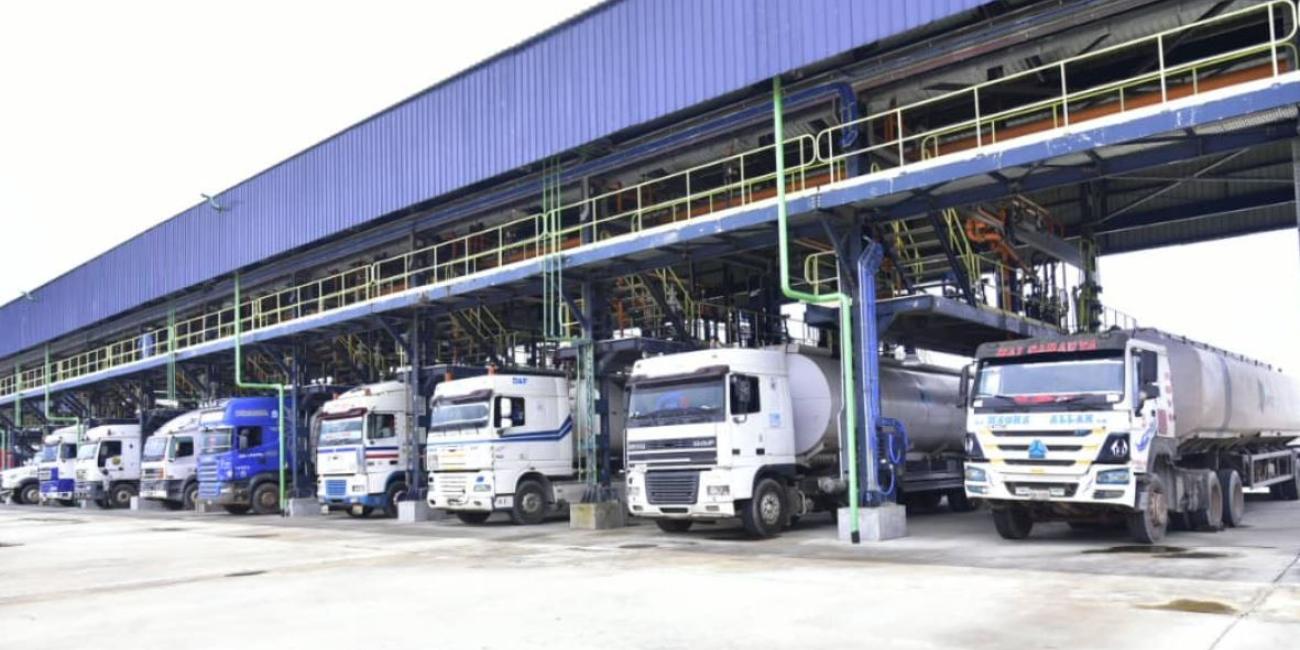
Dangote Refinery and Petrochemicals yesterday reiterated that its decision to adopt direct fuel distribution, which is being flagged off today, was to reduce dependency on third-party carriers for fuel distribution in Nigeria.
It stated that the move is not only a matter of strategic choice but a national imperative.
The refinery, which also reacted to recent claims by the Depot and Petroleum Products Marketers Association of Nigeria (DAPPMAN), accused the marketers’ association of making attempts to frustrate the operation of the refinery.
Daily Trust reports that DAPPMAN had over the weekend said that while the marketers welcome the Dangote Refinery, its contribution is between 30 to 35 per cent of national demand.
- NIGERIA DAILY: How Communities Are Rising To Help Themselves Against Flooding
- Zamfara accident: Mother found dead holding child
DAPPMAN accused the refinery of “offering lower prices to international buyers while quoting higher rates to local off-takers.”
Responding to DAPPMAN yesterday, Dangote, which is flagging off the direct fuel distribution nationwide, justified the move, saying it decided to jettison the Single Point Mooring (SPM) system for fuel distribution to avoid an extra cost of N75 per litre in handling charges, which would translate to N1.5 trillion annually.
The SPM system is the offshore distribution of petroleum products using a loading buoy that serves as a connection point for tankers to load or unload liquid or gas products.
However, the statement said, “If the Dangote Refinery were to load 40 million litres of PMS and 15 million litres of AGO (diesel) via the Single Point Mooring (SPM) at an extra cost of N75 per litre in handling charges, it would amount to approximately N1.5 trillion annually in avoidable charges.
“By contrast, utilising gantry loading and direct trucking would eliminate these costs entirely, resulting in substantial savings that could be redirected towards critical infrastructure investments.
“Losing N75 per litre to intermediaries who cannot guarantee that the products will be delivered to the Nigerian consumer is not a viable option. Rather than enabling such exploitation, we are committed to partnering with credible distributors and expanding humanitarian outreach, ensuring that petroleum products get to the Nigerian people transparently and affordably.”
The refinery reiterated that the direct fuel distribution would eliminate “Nigeria’s long-standing challenges with fuel scarcity, logistical inefficiencies and systemic sabotage by entrenched interests within the petroleum supply chain, adding, “this move is vital.”
“We invite the media to independently examine our loading records. Most of the trucks that DAPPMAN and its affiliates are attempting to impose on us are not roadworthy, posing significant safety risks to lives, property, and the environment.
“For the Dangote Petroleum Refinery, which has faced persistent, coordinated opposition from legacy importation cartels, the ability to ensure appropriate distribution channels is essential for ensuring uninterrupted, efficient, and equitable supply across the country.
“What is required is a network of efficient and accountable retail outlets, not a system dominated by exploitative intermediaries who stockpile fuel and inflate prices at the expense of the Nigerian people,” the statement said.
In response to the statement by DAPPMAN that Dangote products only accounted for 30 to 35 per cent of national needs, the refinery stated that it had “never claimed to be a singular solution to Nigeria’s energy challenges.”
“In fact, our emergence is helping to open up the sector, with more refineries now coming on stream. DAPPMAN is welcome to join the ranks of refinery owners, partner with any of the emerging facilities, or even explore collaboration with the Dangote Refinery, should they be genuinely interested in contributing to the industry’s growth.
“As the largest single-train refinery in the world, the Dangote Refinery is not just a Nigerian asset; it is a continental game-changer with the potential to positively influence energy markets across sub-Saharan Africa. Every country protects its domestic industry against dumping and Nigeria cannot be an exception. In Nigeria, even pure water producers are protected against dumping.”