
Dogara pushed to restore religious, regional balance in 2027
Former Speaker of the House of Representatives, Yakubu Dogara, has emerged as a key figure in Nigeria’s evolving political conversation as the country grapples with questions of balance, inclusion and national unity ahead of the 2027 general elections. Dogara, a Christian from Bauchi State in the North-East, has recently attracted renewed attention following endorsements from […]
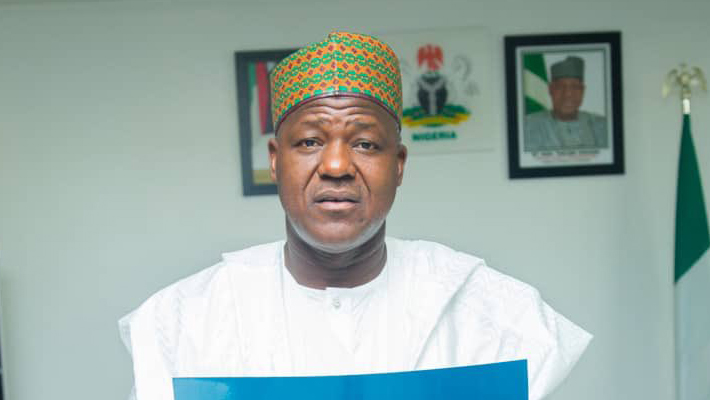
Former Speaker of the House of Representatives, Yakubu Dogara, has emerged as a key figure in Nigeria’s evolving political conversation as the country grapples with questions of balance, inclusion and national unity ahead of the 2027 general elections.
Dogara, a Christian from Bauchi State in the North-East, has recently attracted renewed attention following endorsements from All Progressives Congress (APC) support groups in the region, who are pushing for his consideration as a possible running mate to President Bola Tinubu.
The endorsements come amid ongoing debate over Nigeria’s political balance, especially after the ruling party’s same-faith presidential ticket in 2023 reignited concerns about inclusiveness and national cohesion.
In a statement issued by one of the APC support groups in the North-East, Dogara was described as “a bridge between regions and faiths, whose experience in national leadership makes him well suited to help strengthen unity and stability in Nigeria.”
Dogara, who served as Speaker of the House of Representatives from 2015 to 2019, was credited by the group with helping to stabilise the legislature during a period of intense political competition.
“During his tenure as Speaker, Yakubu Dogara demonstrated discipline, fairness and respect for institutional independence, qualities Nigeria needs at this critical time,” the group said.
The former Speaker also received praise for presiding over several landmark legislations that shaped governance and social inclusion in the country.
Among them was the passage of the Petroleum Industry Governance Bill, which sought to improve transparency and efficiency in Nigeria’s oil and gas sector, as well as the Not-Too-Young-To-Run Act, which lowered the age limit for elective offices and expanded political participation for young Nigerians.
“Dogara’s leadership made it possible for young Nigerians to have a real stake in the democratic process,” the group said. “That law changed the political landscape and deepened democracy.”
He was also at the helm of the House when the North-East Development Commission Bill was passed, providing a legal framework for rebuilding communities devastated by insurgency in the region.
“For someone from Bauchi in the North-East, that law was both symbolic and practical. It showed his commitment to national development and to addressing the humanitarian challenges of his region,” the statement added.
Supporters argue that Dogara’s record of legislative reforms, coalition building and respect for democratic institutions positions him as a credible figure in the ongoing search for political balance.
“Dogara has proven that he can work across divides, bring people together and deliver reforms that have lasting impact,” one of the APC coordinators in the North-East said.
While no official decision has been taken on the 2027 ticket, the growing endorsements signal Dogara’s rising profile within the ruling party as Nigeria’s political landscape continues to evolve.