
dRPC, partners launch manuals on Islamic perspective of GBV prevention
The Development Research and Projects Centre (dRPC) on Thursday began a two-day stakeholder dialogue on the Islamic perspective of preventing Gender-Based Violence (GBV) in Abuja. The event, organised in partnership with the Muslim Opinion Leaders for the Prevention of GBV in Northern Nigeria and the Centre for Islamic Civilisation and Interfaith Dialogue (CICID), featured the […]
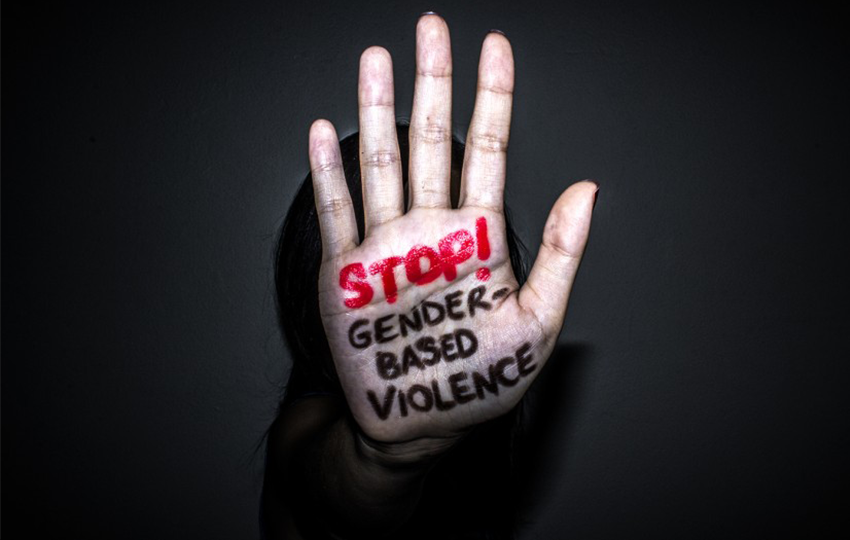
The Development Research and Projects Centre (dRPC) on Thursday began a two-day stakeholder dialogue on the Islamic perspective of preventing Gender-Based Violence (GBV) in Abuja.
The event, organised in partnership with the Muslim Opinion Leaders for the Prevention of GBV in Northern Nigeria and the Centre for Islamic Civilisation and Interfaith Dialogue (CICID), featured the launch of key manuals.
These included the abridged version of the Al-Azhar Guide on the Islamic Perspective of GBV, the Hausa translation of the Islamic Guide on GBV in Northern Nigeria, and guidelines on GBV prevention for survivors of conflict-related sexual violence.
In his address, dRPC board member Prof. Sani Garko said the organisation remained committed to tackling challenges affecting Northern Nigeria, with GBV as a major concern.
He highlighted the vital role of traditional leaders in shaping community perspectives.
Director of CICID, BUK, Taufiq Abubakar, stressed that molestation and harassment are strictly prohibited in Islam.
He noted that adherence to Islamic codes of conduct regarding women would foster a GBV-free society.
Programme Officer of the Ford Foundation, Oumar N’diaye, urged participants to take the dialogue’s lessons back to their communities, commending stakeholders’ ongoing efforts.
Secretary to the Kano State Government, Umar Ibrahim, acknowledged the contributions of dRPC-trained Muslim leaders to the state’s women’s empowerment initiatives.
Representing BUK Vice-Chancellor Prof. Haruna Musa, Dr. Safiya Nuhu observed that despite Islamic injunctions against GBV, harmful cultural practices persist.
She urged Islamic scholars to use their influence to end these practices.
Prof. Ilyas Usman, Imam of the National Mosque Abuja, said laws alone cannot solve GBV, stressing the need for family, societal, and moral education.
He cited Qur’anic teachings that promote kindness, mercy, and compassion, describing the family as Islam’s first line of protection.