
Economic conditions force FCT residents to skip meals
Harsh economic conditions have forced many residents of the Federal Capital Territory (FCT) to reduce their daily food intake, with many households no longer able to afford three square meals. Several residents shared their struggles in interviews with the News Agency of Nigeria (NAN) on Sunday in Abuja. NAN reports that across Abuja and its […]
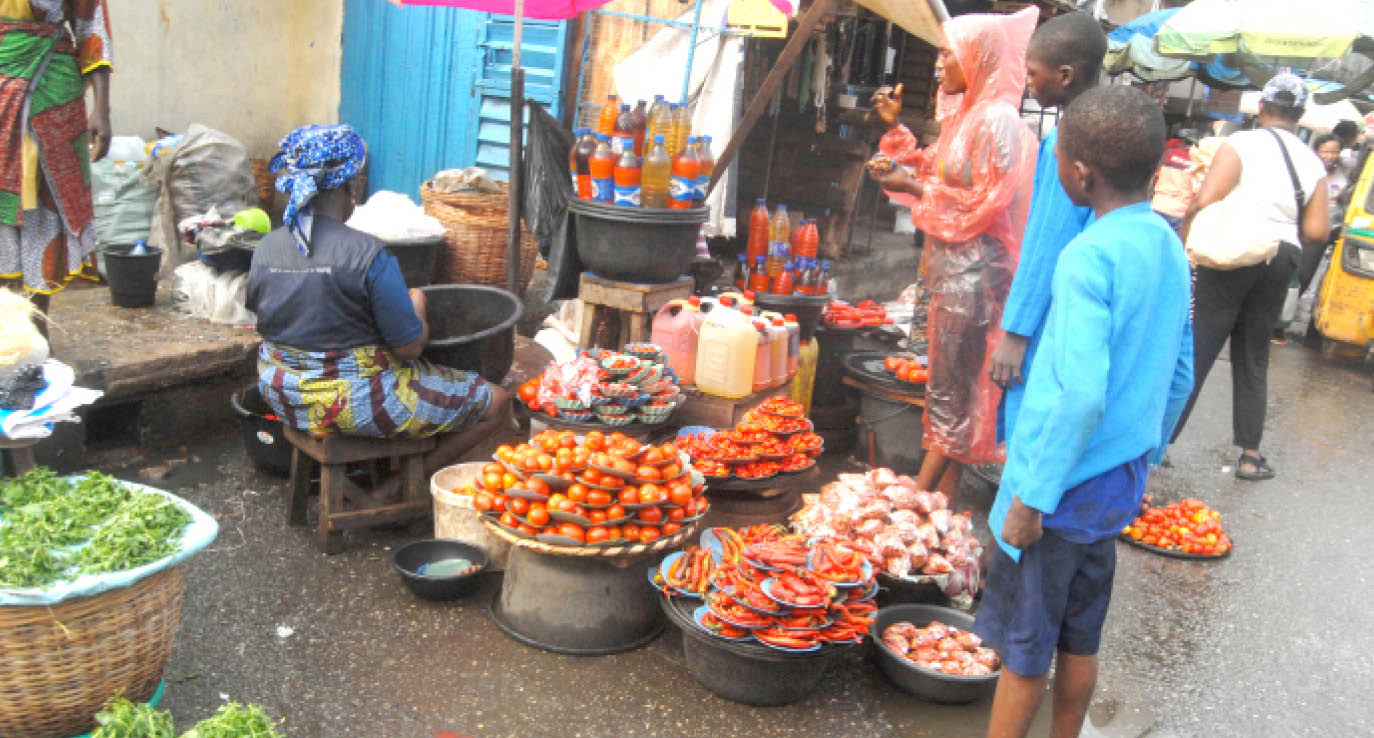
Harsh economic conditions have forced many residents of the Federal Capital Territory (FCT) to reduce their daily food intake, with many households no longer able to afford three square meals.
Several residents shared their struggles in interviews with the News Agency of Nigeria (NAN) on Sunday in Abuja.
NAN reports that across Abuja and its satellite towns, families have adopted various coping strategies, such as skipping meals, reducing portion sizes, or switching to cheaper, less nutritious food options.
Mrs. Maryam Silas, a mother of four living in Karu, said her family has been forced to eat only twice a day to survive.
“We used to eat three times a day, but now we manage two. Food prices remain high while income is stagnant. We have to stretch the little I make from my small business to eat and cater to other family needs,” Silas said.
Similarly, Mr. Chinedu Okafor, a security guard residing in Gwagwalada, noted that feeding has become his family’s biggest challenge. “Sometimes we eat only once a day. After paying for rent and transportation, there is almost nothing left for food,” he lamented.
Okafor explained that his wife works as a cleaner at the same company, but their combined income is insufficient. “We have three children between the ages of four and nine. We are prioritizing their education, so very little is left for food after paying school fees,” he said. A food vendor, Mrs. Grace Danjuma, observed that many of her customers now buy food on credit or request smaller portions than before. “People come and beg to buy food on trust. Some will say, ‘Madam, please just give me whatever this small amount of money can afford,’” Danjuma said.
Students and young workers are equally affected.
Zachary Musa, a tertiary student in Bwari who fends for himself, said he often skips meals to save money. “If I eat breakfast, I may not eat again until night. Everything is expensive, and I try to save every penny I can for emergencies,” Musa said.
Commenting on the situation, an economist Dr. Abigail Bako said the trend reflects the devastating impact of inflation and low purchasing power on Nigerian households.
“When people can no longer afford basic nutrition, it becomes a serious social and health concern. There is an urgent need for targeted interventions to protect vulnerable households,” Bako said.
She called for immediate economic relief measures and strategies to stabilize food prices to prevent further deterioration of living standards across the FCT. (NAN)