
El-Rufai, Datti Baba-Ahmed, Uba Sani, and all
However one looks at it, the latest interview by former Governor of Kaduna State, Malam Nasir El-Rufai was a blockbuster of sorts. The interview was broadcast on Channels Television on Sunday August 31, 2025, and even five days later, when news went round that El-Rufai had been “invited” by the Kaduna State police to answer […]
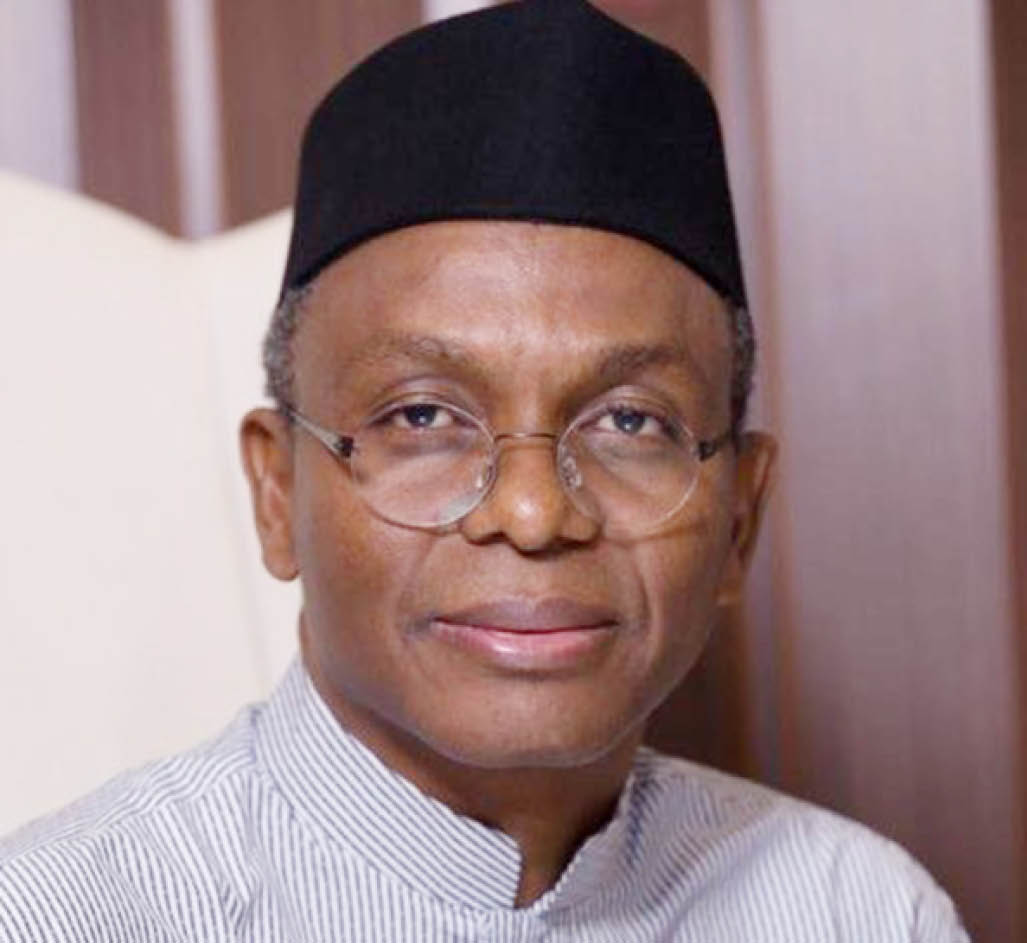
el rufai
However one looks at it, the latest interview by former Governor of Kaduna State, Malam Nasir El-Rufai was a blockbuster of sorts. The interview was broadcast on Channels Television on Sunday August 31, 2025, and even five days later, when news went round that El-Rufai had been “invited” by the Kaduna State police to answer questions about some “criminal conspiracy”, the interview was still trending on various social media platforms.
Of course, it wasn’t just the latest interview that trended well with the Nigerian public. In fact, all his three major interviews so far this year have been big hits, a fact that is difficult to argue against, whether you love El-Rufai or hate him. As an observer, I have personally been fascinated by El-Rufai’s more recent political interviews, and I am beginning to discern some sort of systematic pattern to them that make them an interesting subject for analysis.
Most people expected El-Rufai to be a major player in President Bola Ahmed Tinubu’s cabinet at its formation from June 2023, following the inauguration of the president only a few days earlier in late May that year. My “most people” included El Rufai himself because as he has said, he was approached for a ministerial job and he accepted. But when the cabinet was formed, he was not part of it, to everyone’s surprise, including, again, himself. The rest, as they say, is history, and El Rufai disappeared more or less from the limelight.
But after more than 20 months of silence and sporadic posts on social media, El-Rufai granted his first major television interview on Arise TV in late February this year. The second followed four months later in late June, again on Arise, and the latest two months later on Channels TV. What then, for the sake of analysis, can we make of these interviews/
- Mixed reactions as states move to ban housing agents
- Workers to FG: N70,000 minimum wage insufficient
First, the interviews appear to be perfectly timed for maximum impact on the political system, and each of them appears to have achieved just that. While the interval between the interviews has been growing shorter as their number increases, each interview came during a period of relative lull in politics and political news in the country. As a result, each interview has tended to trend and capture the attention and interest of a wider section of Nigerians every time. That kind of proactive political communication should be a strong suite of the government because the government has a strategic interest in keeping the public focused on it and its activities. Instead, it is El-Rufai who has seized these strategic moments during the current political year at least, churning out one impactful interview after another, with them, he has effectively been driving the political agenda almost single-handedly.
Moreover, the interviews have not just been carefully timed for maximum impact, but they also appear to reveal a thematic logic, from one to the next. For example, El Rufai’s first interview on Arise Prime Time with Charles Aniagolu in February appeared to have been calculated to simply re-introduce himself into the centre of Nigerian politics once again. As such, the interview focused largely on the recent past: why he was sidelined by Tinubu, who was responsible for engineering his side-lining, how he has reacted to it, and so on. He batted questions away about his reported frustrations for being sidelined, even though those frustrations were still evident in his tone throughout the interview.
There was also a bit of focus on the present and the near future as they were understood at the time: he was still friends with Tinubu; he was still a member of the ruling APC even though, he said, internal democracy was increasingly being shut out in the party; and therefore, he was considering his options in other parties, but no return to the Peoples Democratic Party (PDP), ever. In short, if the goal of that first interview was to bring himself back to the forefront of Nigerian politics and stay there, it worked because there he has remained since then.
His two more interviews since the first have also been strategically themed. The second interview was practically to formally announce the emergence of an opposition coalition against Tinubu’s APC, regardless of which political party it would adopt as home. The latest interview, on Channels, was largely to criticise the policies of the APC government, and to particularly hit them hard in their much-vaunted priority areas; security, corruption and the economy. Overall, the interviews have been most impactful, at least from the point of view of political communication, because of their perfect timing, thematic focus, and El-Rufai’s personal ability to both stay on message and speak with clarity.
The Tinubu government, on the other hand, has been caught napping and unable to respond effectively. So far caught on the wrong foot each time, the government’s response approach has been to mobilise its official and unofficial spokespersons on social media to attack El-Rufai online; or try to delegitimise him by poking holes into his spin; or to mobilise anti-El-Rufai politicians to attack him on TV or other legacy media channels. None of these tactics works nearly enough to defray El-Rufai’s well-timed strategic punches against the government in the public mind because “reaction” is the worst thing in political communication.
Whenever you are the one reacting or replying to something someone else says against you, then you should know that you are already on the wrong side of politics because almost always, few people pay attention to the reaction as much as the original statement, and fewer still will believe it. It is not my place to say, but other tactics are much more effective than merely attacking El-Rufai for his explosive interviews, or getting others to do it for you. In short, El-Rufai appears to be single-handedly winning the public opinion battle against the government.
But last week, the government got the help of the strangest unofficial spokesperson in Dr Yusuf Datti Baba-Ahmed, the Vice-Presidential candidate of the Labour Party in the 2023 election. Baba-Ahmed referred to President Tinubu as “Uncle Tinubu”, more affectionately than satirically, and then spoke entirely on the side of the government against El-Rufai. Besides being very strange, I thought this has two serious implications. First, Baba-Ahmed’s position simply amounts to what we can call “opposition to opposition”. But in Nigerian politics, any opposition to opposition is almost always an apology for the government, openly or in effect. Second, given that Tinubu has reportedly used anything from money to anti-corruption agencies to cajole or compel many politicians to line up behind him, we must now ask whether Datti Baba-Ahmed has now officially or unofficially ported to the APC.
This brings me to Governor Uba Sani of Kaduna State, another politician with whom El-Rufai is engaged in a battle of more than political wits. I used to think the fallout between former Governors of Kano Musa Rabiu Kwankwaso and Abdullahi Ganduje was the fastest, crudest and most brutal of all political fall-outs between godfathers and their sons in Nigerian politics. But the ongoing case between Governors Nasir El-Rufai and Uba Sani of Kaduna is making me think twice about reaching a conclusion on such matters so early.
I honestly do not care what El-Rufai does to attempt to take back the Kaduna governorship seat under his control, nor do I care what Uba Sani does in attempt to retain it. I also don’t care who wins or loses in this entirely self-interested political battle. But I once say one thing: thuggery and violence must stay out of it, as must political intimidation through the police or other security agencies.
And here, the onus lies on Uba Sani. The presidential and governorship elections in Kaduna State in 2023 were keenly contested between the ruling APC and the opposition PDP. Each party won one: the governorship election for the APC, and the presidential contest for the PDP. But throughout the campaign, there was no thuggish violence or political intimidation of the opponent. Things must stay that way in Kaduna, and again, the onus lies with the sitting governor. I don’t need to say more.