
Empty chairs, heavy costs
The North West geo-political zone is not simply facing developmental challenges; it is confronting a historic emergency. By nearly every measurable index of human progress, the region sits at the uncomfortable bottom rung. Multidimensional poverty remains widespread and deeply entrenched. The out-of-school children crisis has become so normalised that it risks losing its shock value, […]
nwdc
The North West geo-political zone is not simply facing developmental challenges; it is confronting a historic emergency. By nearly every measurable index of human progress, the region sits at the uncomfortable bottom rung. Multidimensional poverty remains widespread and deeply entrenched. The out-of-school children crisis has become so normalised that it risks losing its shock value, even though it represents one of the gravest threats to the zone’s future. Insecurity has disrupted agriculture, trade, and daily life. Economic stagnation has narrowed opportunity and expanded despair.
These realities are not abstract policy debates; they define how millions live, what they eat, what they earn, and what they hope for. They shape whether a child becomes a productive citizen or a statistic of deprivation. They determine whether communities thrive or merely survive. A zone so endowed with human and material resources should not be trapped in this cycle of fragility unless something fundamental has gone wrong in the architecture of governance.
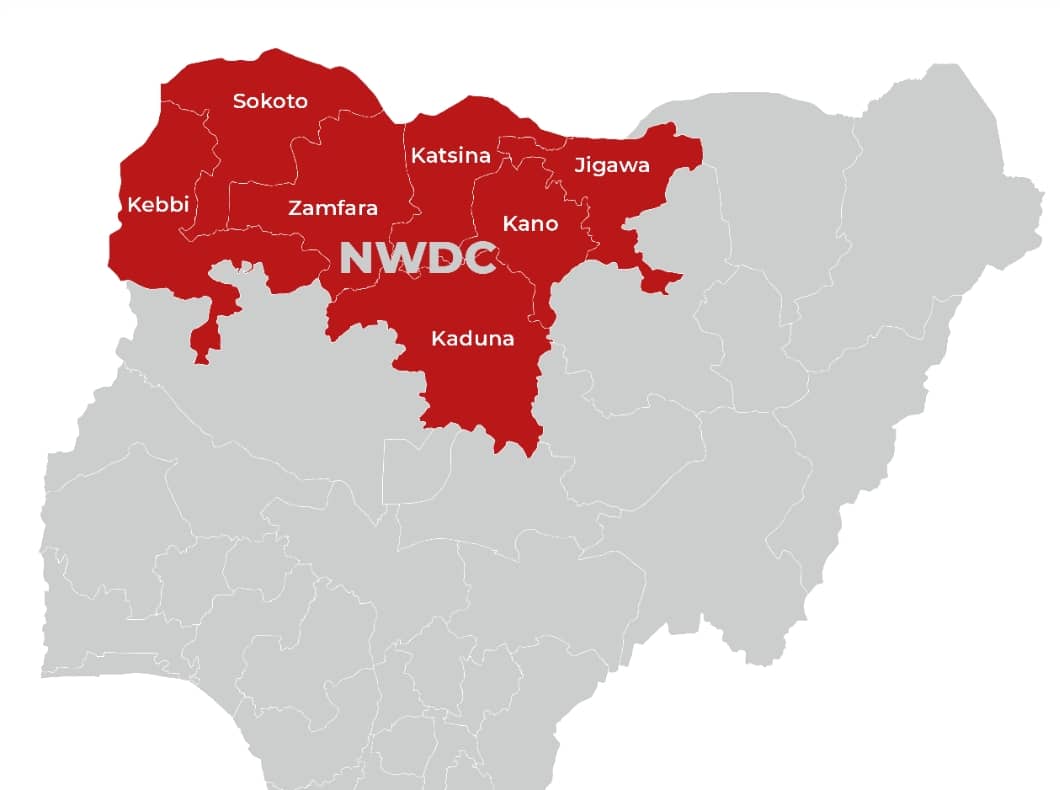
It is in recognition of this prolonged distress that the North West Development Commission was established. The commission is, at least in theory, an institutional admission that the usual governance routines have not been enough. Development commissions are not created for zones that are functioning optimally; they are created where structural deficits demand targeted intervention. They are born out of necessity, not luxury. Their purpose is to marshal focus, resources, and strategy toward reversing decline and accelerating recovery.
But institutions alone do not create development. Institutions are tools; leadership is the hand that must wield them. Without political sincerity and collective ownership, even the most well-designed commission risks becoming another bureaucratic monument to good intentions.
This is why the recent stakeholders’ meeting in Kaduna should have been a rallying point. It should have been a moment of unity, reflection, and strategic alignment. A zone facing layered crises requires its leaders to sit at the same table, compare notes, harmonise priorities, and demonstrate solidarity. Development is not a solo performance; it is a coordinated orchestra.
Yet the conspicuous absence of the zone’s governors speaks volumes. In politics, absence is rarely neutral. It is often interpreted as a statement, whether intended or not. When the chief executives of states most affected by the zone’s challenges do not consider such a meeting a priority, citizens are left to draw their own conclusions. Is the crisis not urgent enough? Is the commission not important enough? Or has political theater replaced developmental seriousness?
Leadership, if it is to mean anything, must go beyond speeches and ceremonial declarations. True leadership is presence when it matters, engagement when it counts, and ownership when responsibility calls. In a zone battling poverty, illiteracy, and insecurity, development gatherings should not compete with political calculations; they should outrank them. They should be treated as emergency rooms where the region’s future is under diagnosis.
The familiar excuse of “busy schedules” underestimates the intelligence and patience of the people. Governance is not a part-time obligation. When leaders sought office, they did not campaign on convenience; they campaigned on service. Service sometimes demands discomfort, sacrifice, and prioritisation of the collective over the personal or political.
There is also a deeper cultural issue at play – the normalisation of low expectations. Over time, citizens begin to accept minimal engagement as adequate. Mediocrity becomes routine. Symbolic gestures are mistaken for substance. The danger here is not only developmental stagnation but psychological resignation. A zone that stops expecting seriousness from its leaders risks entrenching its own marginalisation.
The North West’s predicament is further complicated by its demographic weight and political influence. This is not a peripheral zone; it is central to Nigeria’s stability, economy, and electoral dynamics. If such a region struggles so visibly on human development indicators, it should trigger a national alarm. Instead, the response often oscillates between episodic concern and political defensiveness.
The tragedy is that the North West does not lack potential. It has a vibrant population, a rich agricultural base, commercial hubs, cultural capital, and a strategic position in national affairs. What it lacks is a consistent development doctrine backed by disciplined political action. Development cannot be seasonal. It cannot appear during campaigns and disappear after swearing-in ceremonies. It must be relentless, structured, and shielded from partisan distractions.
The creation of the commission offers a window of opportunity, but windows can close. If political actors treat it as another arena for patronage or symbolism, it will join the long list of underperforming interventions. If, however, they treat it as a platform for genuine collaboration, it could mark a turning point. The choice lies not in Abuja alone but in the state capitals of the North West.
There is a moral argument here that cannot be ignored. Public office is a trust, and trust carries ethical weight. When millions live on the edge of vulnerability, leadership becomes more than administration – it becomes stewardship. Stewards do not distance themselves from rescue efforts; they lead them.
History is unforgiving to leaders who inherit crises and respond with indifference. Future generations will not measure today’s leaders by the number of press statements they issued, but by whether poverty declined, schools expanded, and security improved under their watch. They will ask whether opportunities were seized or squandered.
The North West does not need pity. It needs seriousness. It does not need rhetoric. It needs resolve. And it does not need leaders who show up only for politics; it needs leaders who show up for progress.
If development is truly the goal, then commitment must be visible, cooperation must be sincere, and urgency must be non-negotiable. Anything less risks condemning the region to another cycle of promise without progress.
Toungo resides in Abuja