
Expert seeks action on road authority, transportation policy
Professor Samuel Odewumi of the School of Transport and Logistics at the Lagos State University (LASU), Ojo, has called for the constitution of a road authority and pronouncement of transportation policy. This was contained in the lead paper titled, ‘Challenges and Opportunities of Road Transportation in Nigeria’ delivered by the don at the inaugural webinar […]
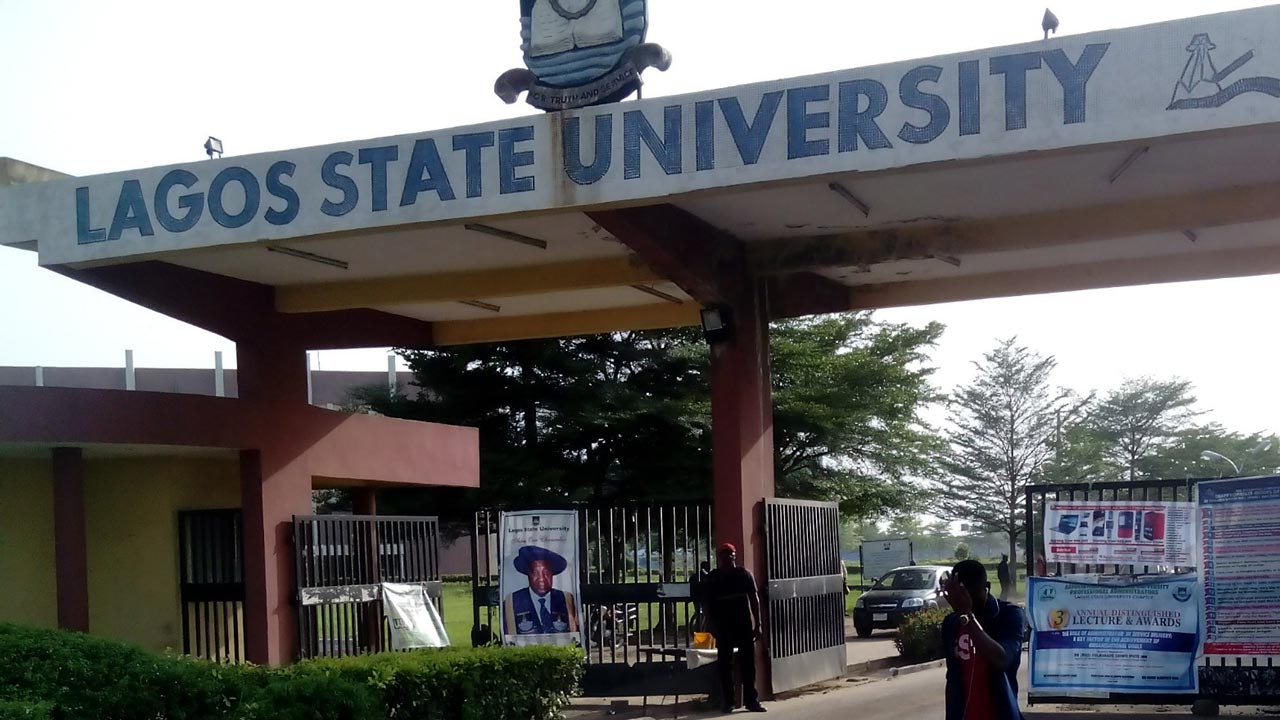
Lagos State University (LASU)
Professor Samuel Odewumi of the School of Transport and Logistics at the Lagos State University (LASU), Ojo, has called for the constitution of a road authority and pronouncement of transportation policy.
This was contained in the lead paper titled, ‘Challenges and Opportunities of Road Transportation in Nigeria’ delivered by the don at the inaugural webinar by the Road Committee of Chartered Institute of Transport Administration.
According to Professor Odewumi, the road, which is responsible for over 90 per cent of the movement of goods and people, has been abandoned like an orphan.
Responding to concerns that the road authority could become another financially draining bureaucracy, he assured that rather than be a drain, a road authority could become one of the biggest revenue earners in the country, if properly coordinated.
He further stressed that the road authority can match and even surpass the Nigerian Ports Authority (NPA) if properly organized. He suggested a stronger synergy between the ministries of works and transportation.
He said, “We consider it appropriate that Works and Transport should be merged while Housing and Environment could stay together. It is responsible for over 90 per cent of movements of goods and people yet nobody is in charge. Air has Aviation and Airport Authority; Railway has Railway Authority; Port has Ports Authority; Maritime has NIMASA; even Inland Water has NIWA as small as it is, but no shepherd for roads.
“If transportation is regarded as the artery through which the lifestream of socio-economic activities flows, then the road as the cornerstone of more than 90 per cent deserves not to be an orphan or the rejected cornerstone that it is in Nigeria.”